







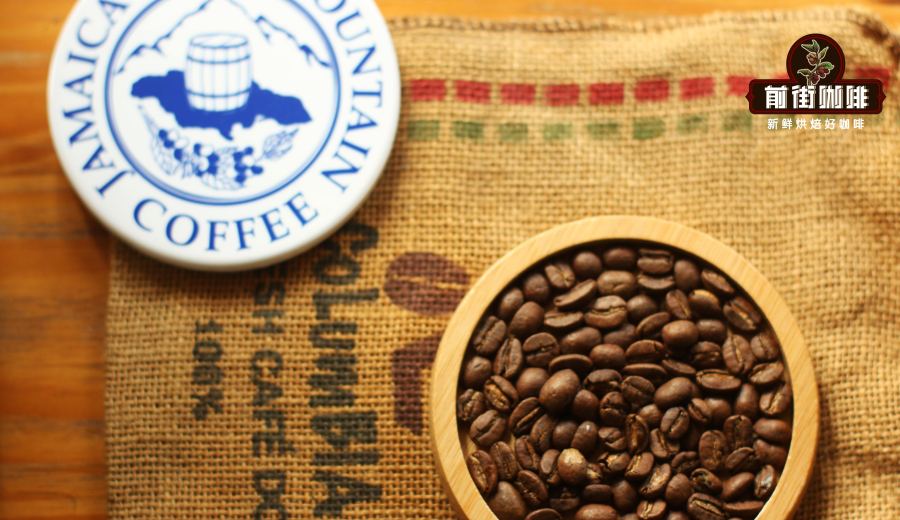
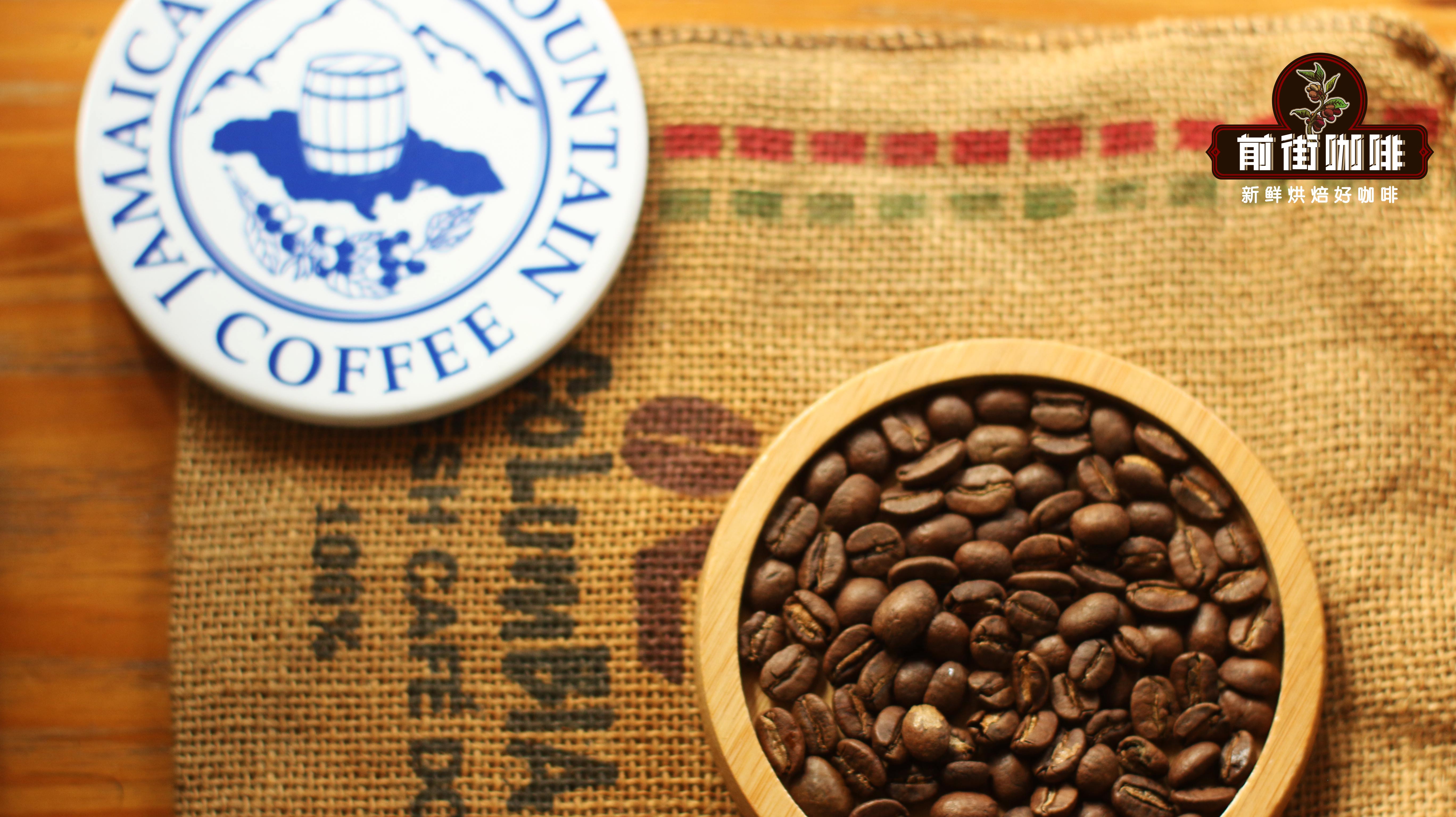
Introduction:Jamaica Blue Mountain coffee has long been ranked among the most expensive coffees in the world—what exactly makes it so special? This article delves into the geographical environment, varietal characteristics, and strict grading system of Blue Mountain coffee to uncover the value behind its premium price. We also offer expert pour over brewing advice—from water temperature and grind size to pouring techniques—to help you master the optimal extraction method for this classic Typica bean.
In the world of specialty coffee, Jamaica Blue Mountain coffee has always held a unique place. Even as the market continues to introduce new and trending coffees such as Geisha or the Musician Series, Blue Mountain remains firmly entrenched as a classic favorite among coffee enthusiasts due to its distinctive flavor and prestigious status. Moreover, its price has remained consistently high—so what factors have contributed to such a position? This article will explore everything from the geography and history of Blue Mountain, its varietal traits, processing methods, to how to correctly brew a cup of Blue Mountain pour over coffee, analyzing each element in detail.
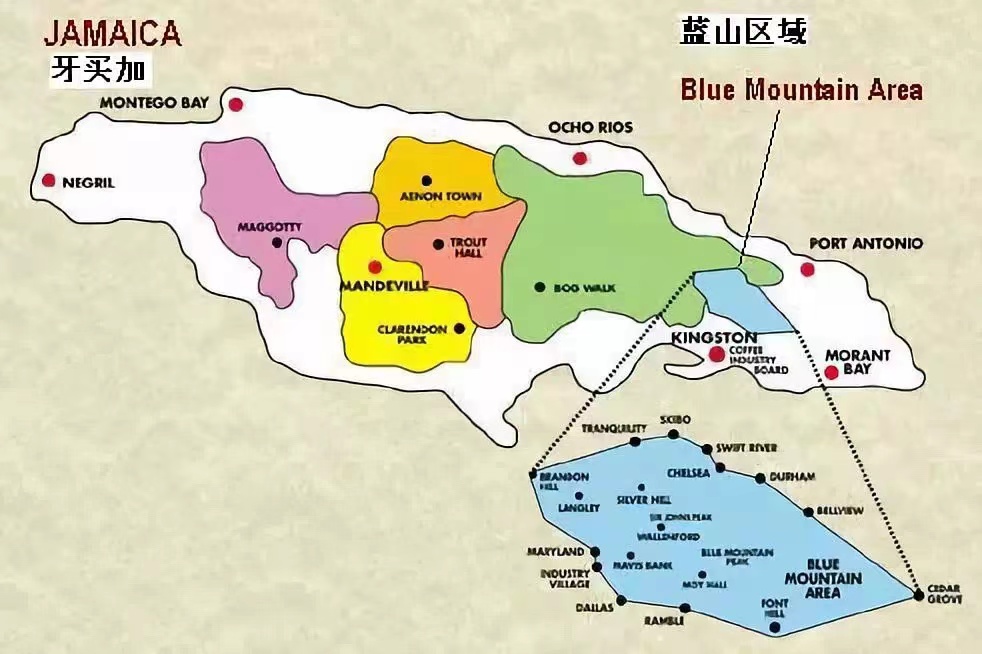
The widespread fame of Jamaica Blue Mountain coffee is inseparable from the unique environment in which it is grown. The Blue Mountains are located in the eastern part of Jamaica, and the name originates from the breathtaking sight of the mountain peaks reflecting the deep blue sea under sunlight. The main peak reaches an elevation of 2,256 meters, making it not only the highest point in the Caribbean but also one of the few regions in the world capable of producing top-tier coffee. Situated within the coffee belt, coupled with the area’s cool climate and abundant rainfall—approximately 1,980 millimeters per year—and stable day-night temperature variations, these conditions collectively nurture the delicate and balanced flavors of Blue Mountain coffee.
The flavor profile of Blue Mountain coffee is characterized by a perfect balance of acidity, sweetness, and bitterness. There is almost no noticeable harshness; instead, it offers a subtle, elegant fruit acidity along with a rich sweetness. The mouthfeel is clean and smooth, with the aftertaste often accompanied by notes of dark chocolate and nuts. This flavor profile is intrinsically linked to its growing environment and varietal.
The history of Blue Mountain coffee dates back to the early 18th century. In 1717, King Louis XV of France ordered the promotion of coffee cultivation in Jamaica. Then, in the 1720s, then-Jamaican Governor Sir Nicholas Lawes introduced Arabica seeds from Martinique and promoted their cultivation in the Saint Andrew region, laying the foundation for Blue Mountain coffee. Today, the main producing areas of Blue Mountain coffee include Saint Andrew, Portland, and Saint Thomas, with altitudes above 2,100 meters regarded as the golden zone most suitable for its growth.
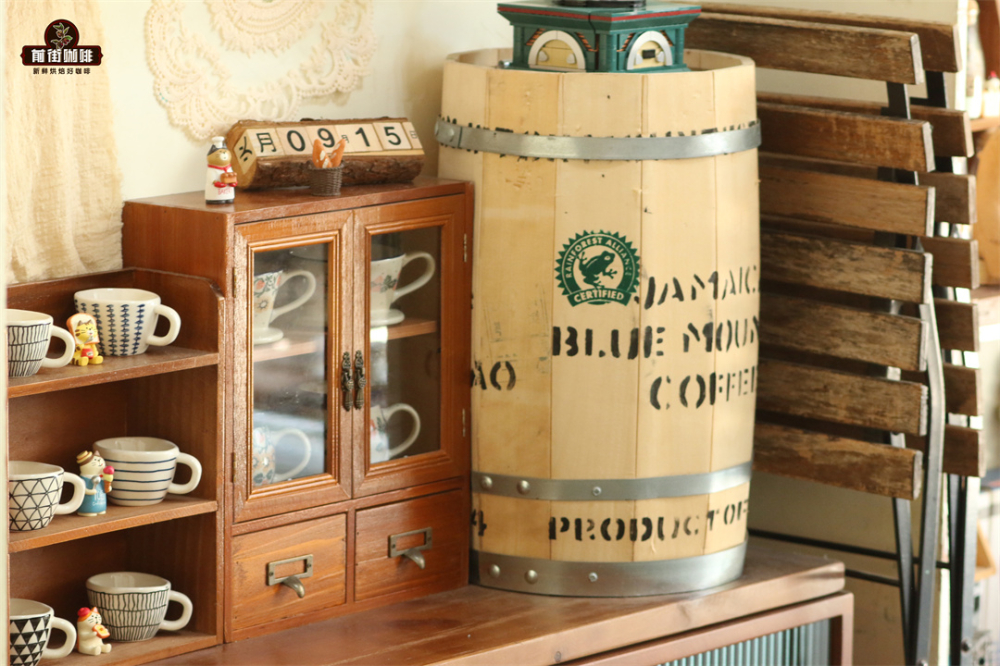
It is worth mentioning that as early as 1950, the Jamaican government established the Coffee Industry Board, responsible for formulating and enforcing coffee quality standards, and issuing official certification stamps for exported coffee. This is one of the rare high-standard quality control mechanisms in the world led by a government. Currently, Blue Mountain coffee must pass multiple inspections by the Jamaica Coffee Industry Board (CIB) to receive the official “Blue Mountain” certification. This explains why many coffees on the market that claim to be “Blue Mountain” are actually not sourced from the authentic producing region.

A key factor in maintaining the consistent and excellent quality of Blue Mountain coffee is its washed processing method. Compared to natural sun-drying or other processing methods, the washed process more effectively removes the pulp layer, reduces impurities and defect rates, while preserving the refined flavors of the coffee beans. After harvesting, the coffee cherries first undergo floatation to remove underripe fruits, followed by mechanical removal of the outer skin and pulp. They are then placed in fermentation tanks to remove the mucilage, and finally washed and dried in the shade. This processing procedure not only results in cleaner and clearer coffee flavors but also enhances the expression of acidity.
In terms of variety, Blue Mountain coffee has long insisted on planting the ancient Typica variety. Typica is one of the earliest Arabica varieties, known for its delicate flavors and elegant acidity, but it is also relatively fragile, with low disease resistance and low yields. However, precisely because Jamaica has long focused on this single variety, it has been able to maintain the consistency and high-end positioning of Blue Mountain coffee flavors.
For coffee enthusiasts, brewing a cup of authentic Blue Mountain coffee by hand is undoubtedly a rare and rewarding experience. Below, we provide professional pour over brewing recommendations using Clifton Estate Blue Mountain beans as an example, suitable for readers who want to gain a deeper understanding of the flavor logic of Blue Mountain.
It is recommended to use a Kono filter, with a medium-coarse grind size (similar to white sugar), and water temperature controlled at around 88°C. The coffee-to-water ratio is suggested to be 1:15, meaning 225 grams of water for every 15 grams of coffee grounds. Specifically, begin with a 30-second bloom using 30 grams of water to fully awaken the coffee grounds. Then proceed to the second pour up to about 125 grams, and when the coffee liquid level drops to half, continue pouring until reaching a total of 225 grams. This segmented pouring method ensures even extraction and avoids over-extraction or under-extraction.
Coffee brewed using the above parameters typically exhibits mild citrus acidity, a smooth mouthfeel with layered complexity, nutty and caramel notes in the mid-palate, and a rich dark chocolate finish. The overall profile is very balanced and offers great depth.
The above content is compiled by CoffeeHunters, a coffee news website.


