







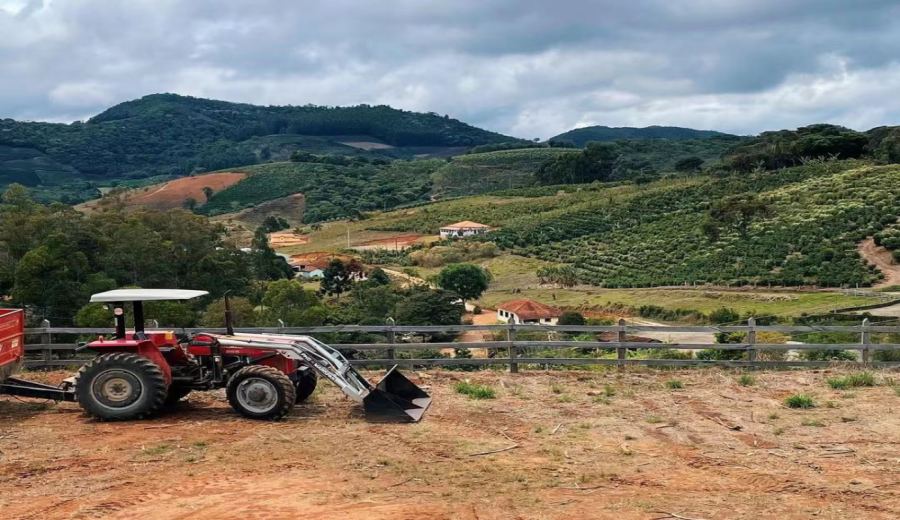
Introduction:Want to learn about the unique flavors and growing background of Brazilian coffee? This article delves into Brazil’s history as the world’s largest producer of Arabica coffee, explores the geographical characteristics of major producing regions such as Minas Gerais and Cerrado, compares the differences among popular varieties like Red Bourbon and Yellow Bourbon, and offers practical pour over recommendations and bean suggestions to help you better understand this classic coffee.
Brazil is not only the world’s largest producer of Arabica coffee, but its production fluctuations also have a significant impact on the international futures market. Due to unusual weather, energy policies, and changes in the economic environment, Brazil’s coffee supply has become tighter in recent years, with prices also showing noticeable fluctuations. To truly understand Brazilian coffee, it’s essential to go beyond market trends and examine its flavor profiles, planting history, and regional distribution, along with practical cupping and brewing advice, to grasp its essence.
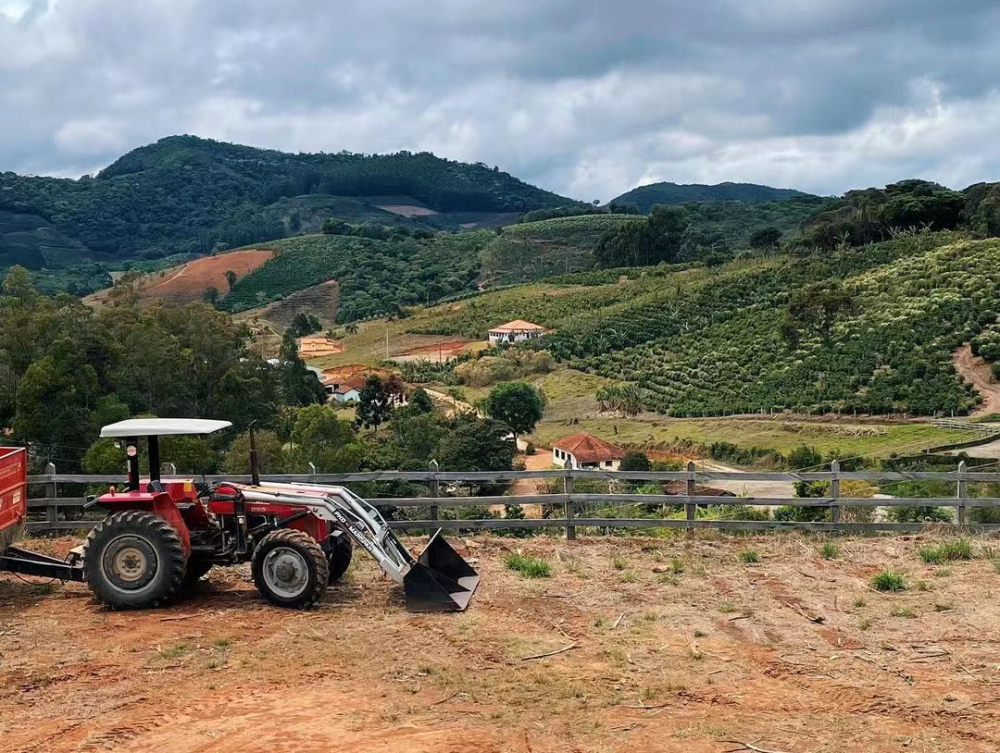
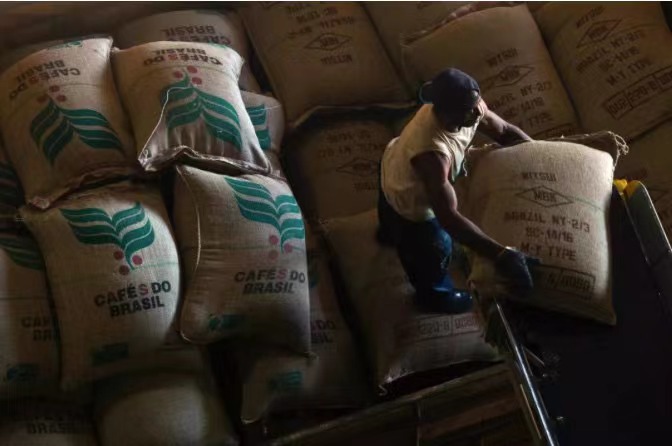
As a major global supplier of Arabica beans, Brazil’s harvest performance directly affects the supply-demand balance of the international market. In bumper crop years, Arabica coffee beans produced in Brazil can account for over 30% of global output. However, in recent years, due to extreme weather, a weak US dollar, rising energy prices, and other factors, many farmers have shifted to planting economic crops like corn. Coupled with the impact of the pandemic on the global supply chain and the continuous rise in domestic coffee consumption in Brazil, export supply has tightened, leading to increased price volatility.
It’s worth noting that the Arabica coffee futures price on the Intercontinental Exchange in New York is closely related to Brazil’s inventory supply. The level of certified stockpiles is often a key indicator for judging market trends, and as the main supplying country, Brazil’s production changes have a direct impact on the futures market.
The flavor profile of Brazilian coffee is closely tied to its growing environment. Generally speaking, the higher the altitude and the greater the day-night temperature difference, the higher the density and complexity of the coffee beans. However, compared to other Central and South American coffee-producing countries, Brazil’s growing altitudes are generally lower, the terrain is flatter, and there is a lack of significant microclimates and shade environments, resulting in coffee beans with typically lower acidity and relatively mild flavor expression. High-quality Brazilian beans often exhibit sweet notes of nuts, chocolate, and caramel, with well-balanced acidity and bitterness, a rich mouthfeel, and smoothness; lower-grade beans may carry slight woody or earthy tones.
Tracing back the history of Brazilian coffee, it dates as early as the 1720s, when coffee was introduced from French Guiana and quickly adapted to the local climate, spreading from the north to the southeast and southern regions. However, as coffee cultivation expanded into Paraná, the higher latitude and frequent winter frosts caused significant damage to the coffee crops. It wasn’t until the 1970s and 1980s that farmers began shifting to the northern part of São Paulo State, particularly to Minas Gerais and Bahia, where the climate is warmer and frost is rare, gradually establishing these areas as important bases for specialty coffee. Today, Minas Gerais has become the core producing region for Brazilian specialty coffee, contributing numerous high-quality beans.
The main coffee-producing regions in Brazil include Minas Gerais, São Paulo, Bahia, and Espírito Santo, which together account for 90% of the country’s coffee exports. The renowned Mogiana region is located in São Paulo, while within Minas Gerais, Cerrado and Sul de Minas—due to their higher altitudes—are known for producing coffee beans with potential for specialty grade.
When it comes to varieties, the main types currently cultivated in Brazil are Red Bourbon, Yellow Bourbon, New World, and Catuai, with Red Bourbon and Yellow Bourbon being the dominant ones. Both are natural mutations of Typica, where Red Bourbon fruits ripen to a deep red color, while Yellow Bourbon turns a bright yellow. Although the latter has a slightly lower yield, it usually offers a richer flavor profile and higher quality potential. Red Bourbon, grown at high altitudes, often exhibits wine-like aromas and bright acidity, making it a classic flavor favored by many coffee enthusiasts.
So, is Brazilian coffee good? The answer depends on the region, variety, and processing method. Below are two specialty beans from renowned Brazilian producing regions, each showcasing distinct flavor characteristics and suitable brewing methods.
First is the Queen’s Estate coffee bean from Sul de Minas Gerais, grown at an altitude of 1400–1950 meters. This area consists of multiple small family farms that combine traditional and modern planting techniques to produce finely nuanced coffee beans. Professional cupping has shown that these beans offer a clean sweetness reminiscent of cane sugar. After medium-dark roasting, the flavors present as roasted nuts, peanut buttery richness, paired with the mellow sweetness of brown sugar, resulting in a smooth and layered overall mouthfeel.
The second is a coffee bean from the Cerrado region, grown at an altitude of about 1000 meters. It’s important to note that the Cerrado referred to here is not the vast grasslands, but rather a premium planting belt located in the central-western part of Minas Gerais, at altitudes above 1000 meters with fertile soil. This area, situated on a plateau, enjoys a climate suitable for cultivating high-quality coffee, often yielding beans with sweet, rich, and clean characteristics. After medium-dark roasting, its flavor profile includes notes of nuts, peanuts, creamy smoothness, and sweet aftertastes of cocoa and caramel, making it suitable for those who enjoy bold flavors.
Finally, let’s discuss how to brew Brazilian coffee to highlight its characteristics. It’s recommended to use a Kono filter cone for pour over. Its design differs from a V60—the filter cone’s ribs extend only to one-third of the way down, with the rest being a smooth inner wall. When the filter paper is attached, this reduces air circulation and slows down the water flow, creating an immersion-like effect that helps enhance the coffee’s richness and fullness.
Industry professionals recommend using a medium-coarse grind (based on a Chinese No. 20 sieve, with about 70% passing rate), a water temperature controlled at 88–89°C, and a coffee-to-water ratio of 1:15. A suggested brewing method is the three-pour technique: start by pouring 30 grams of water for a 30-second bloom, then pour in a small circular motion until reaching 125 grams for the first pour. When the water level drops and is about to expose the coffee bed, pour again up to 225 grams to finish extraction, with a total brewing time of around 2 minutes. This method ensures even extraction and highlights the sweet and smooth qualities of Brazilian coffee.
The above content is compiled by CoffeeHunters, a coffee news website.


