







Introduction:Jamaican Blue Mountain coffee is renowned for its unique flavor and rarity, and is considered the dream bean by many coffee enthusiasts. This article delves into the characteristics of the Blue Mountain growing region, methods for authentic identification, and explores whether it is suitable for making SOE espresso. It also provides professional pour over and espresso extraction recommendations, including practical parameters such as grind size, coffee-to-water ratio, and brewing time, helping you fully experience the charm of this top-tier coffee.
With its irreplaceable flavor and long history, Jamaican Blue Mountain coffee has long been regarded as a model of specialty coffee. But what exactly is the so-called “Blue Mountain taste”? Why does it remain so expensive? And how can one distinguish between genuine products and imitations on the market? More importantly, can Blue Mountain coffee also be used to make SOE (single origin espresso)? This article will start with the historical background and growing environment of Blue Mountain coffee, and guide you through the traditional brewing methods and professional extraction suggestions.
Looking back to the era when specialty coffee was not yet widespread, the market was generally flooded with dark roasted beans that were intense and often bitter in taste. Yet Jamaican Blue Mountain coffee stood out with its delicate, subtle flavors and layered complexity, consistently maintaining a top position in the high-end market. What exactly has earned Blue Mountain coffee such a lofty status? What specific sensory experiences does the so-called “Blue Mountain taste” represent? If you’re eager to taste a true cup of Blue Mountain, how should you brew it correctly? Let’s begin with the rise to fame of Blue Mountain coffee.
The fame of Blue Mountain coffee is inseparable from its uniquely favorable growing environment. As early as the 1960s, Jamaican Blue Mountain coffee had already garnered international attention. In 1969, Jamaica was hit by a major hurricane, which severely damaged the local coffee industry. UCC, a Japanese company, not only provided financial support but also introduced advanced eco-friendly cultivation techniques to assist in local recovery. In gratitude for the assistance from Japanese enterprises, the Jamaican government signed a 30-year agreement with Japan, prioritizing 90% of Blue Mountain coffee production for the Japanese market, leaving only about 10% — roughly 245 tons per year — to be distributed to other markets. Due to its limited production, restricted distribution channels, and strong market promotion, the price of Blue Mountain coffee has risen accordingly.
During the agreement period, although Blue Mountain coffee was mainly exported to Japan, it was not entirely consumed by the local market. Some beans were resold at high prices to Asian regions such as Singapore, South Korea, Chinese Taipei, and Hong Kong, China. Coupled with Japan's continuous marketing efforts, Blue Mountain gradually became a top-tier symbol in the minds of many consumers. By the 2000s, this “Blue Mountain craze” had spread to mainland China, and to this day, many elders still regard Blue Mountain as the premier choice when mentioning high-end coffee.
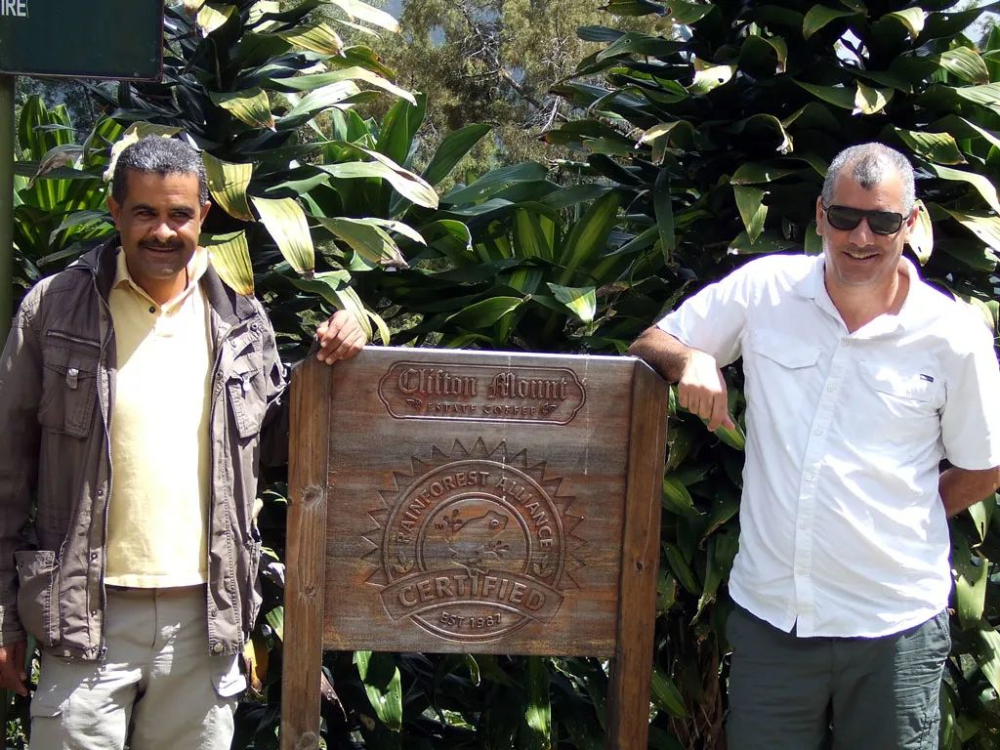
After the 2008 global financial crisis, the Jamaican government decided to expand the reach of Blue Mountain coffee to more markets. Coinciding with the expiration of the agreement with Japan, quotas for other countries were increased. With the rapid growth of China’s coffee consumption market, many businesses can now directly import Blue Mountain coffee beans from Jamaica. Among them, a well-known shop sells Blue Mountain No. 1 sourced from the historic Clifton Estate in Jamaica, processed using the washed method to showcase the purest flavor expression of Blue Mountain coffee.
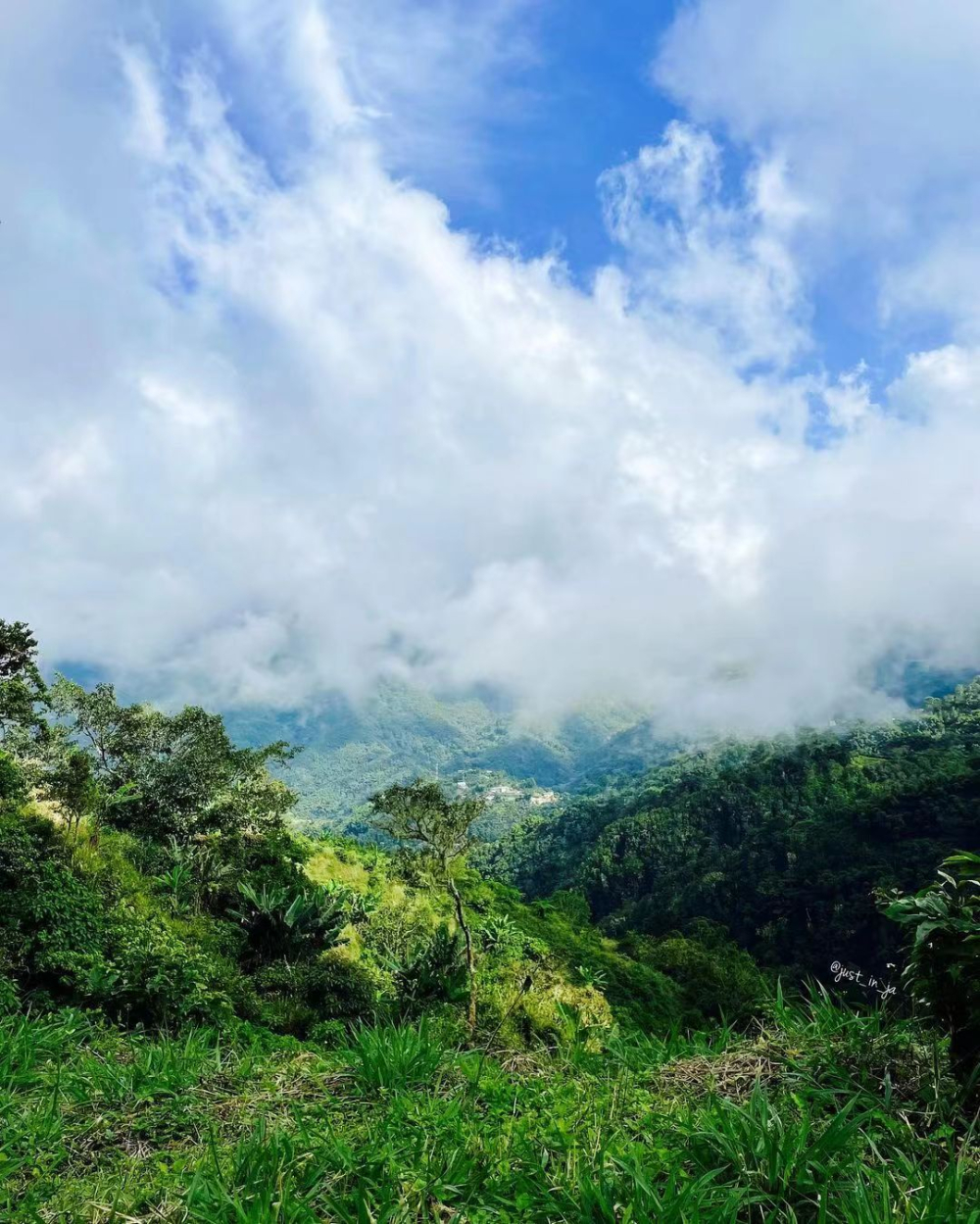
What creates the exceptional quality of Blue Mountain coffee is its irreplicable natural conditions. The manager of the Clifton Estate once pointed out: “It is the unique latitude, longitude, and Caribbean geographical location that together shape a microclimate difficult to replicate elsewhere.” The Blue Mountains are located in eastern Jamaica, situated in an earthquake zone, where past volcanic activity infused the soil with abundant minerals. This area is not only the highest peak in the Caribbean but also a famous tourist destination. The mountainous region boasts fresh air, nearly zero pollution, and a cool, moist climate with year-round rainfall. Coffee trees grow slowly amid the surrounding mist. The significant diurnal temperature variation brought by the high altitude allows coffee cherries more time to accumulate sugars and flavor compounds, ultimately resulting in a sweet and richly bodied taste.
It is worth mentioning that the rugged terrain of the Blue Mountains means coffee farms are mostly located on steep slopes, making harvesting highly challenging. Local farmers hire skilled female workers to carefully handpick only fully ripe coffee cherries, ensuring the high quality of every single bean. In addition, Jamaica has long cultivated only Arabica varieties. The local Typica variety, due to prolonged isolated breeding and no crossbreeding with other varieties, has retained a pure lineage. Over more than two hundred years of adaptation, Blue Mountain Typica has also evolved strong disease resistance, especially against common coffee berry diseases, enabling stable long-term maintenance of both yield and quality.

When talking about Blue Mountain coffee, the term “Blue Mountain taste” is a keyword that cannot be ignored. However, many products on the market labeled as “Blue Mountain flavor” or “Blue Mountain blend” are mostly commercial hype and differ greatly from true Blue Mountain. Authentic Blue Mountain coffee is by no means affordable, and those “Blue Mountain beans” sold for just a few dozen yuan can almost certainly be determined as imitations.
To distinguish the authenticity of Blue Mountain coffee, several key points can be considered. First, Jamaica is the only producing region in the world that uses handmade oak barrels to transport green beans. This packaging material helps regulate humidity and prevent aroma loss, contributing to stable roasting performance, and is also one of the symbols of Blue Mountain coffee. Second, all Blue Mountain coffee exports must obtain a permit issued by the Jamaican government and undergo strict inspection and certification by the Jamaican Coffee Industry Board. Each batch of coffee comes with an official quality certificate and origin certification. Therefore, it is recommended that consumers request relevant certification documents from merchants to confirm whether the product purchased is genuine. A well-known shop’s Blue Mountain No. 1 from the Clifton Estate not only holds certification from the Jamaican Coffee Industry Board, but the Dongshankou branch also publicly displays the oak barrels storing the Blue Mountain green beans, giving consumers peace of mind.
As the Jamaican government gradually relaxes the export quotas for Blue Mountain coffee, domestic consumers now have more opportunities to taste authentic Blue Mountain. Taking the commonly available Blue Mountain No. 1 as an example, it is priced at approximately 158 yuan per 100 grams, while the tasting price at the shop is 60 yuan for 200 milliliters, offering relatively improved value. However, due to cost and grade factors, Blue Mountain coffee remains a high-priced specialty product. Consumers are advised to compare options carefully and ensure they purchase from legitimate sources.
There are various ways to brew Blue Mountain coffee. Whether using a pour over method or espresso extraction, its subtle layers can be highlighted. If you have an espresso machine at home, you can also try making Blue Mountain beans into an SOE (single origin espresso) to experience its unique regional characteristics. Below are professional-grade SOE extraction suggestions and procedures.
The so-called SOE refers to Single Origin Espresso, meaning an espresso made from single-origin coffee beans. With the rise of the third wave of coffee, consumers are increasingly valuing the regional characteristics and terroir of coffee. Single-origin beans have gradually replaced traditional blends to become the mainstream in specialty coffee. Compared to the commonly used medium to dark roasted espresso blends, SOEs typically use a lighter roast level, better highlighting the fruit acidity, floral notes, and sweetness inherent in the coffee itself.
Below are the actual SOE extraction parameters used by a certain shop, suitable for double-shot portafilters and commercial espresso machines. Home equipment users may also refer to and adjust accordingly:
• Coffee beans: A certain shop’s Ethiopian Natural Konga (can be replaced with Blue Mountain or other single-origin beans)
• Coffee dose: 20 grams
• Yield: 40 grams
• Coffee-to-water ratio: 1:2
• Extraction time: 26–33 seconds
• Grind setting: Galileo 2.0 (adjusted slightly according to machine)
The general recommendation is to maintain a coffee-to-water ratio between 1:1.5 and 1:2.5, with 1:2 being the most commonly used balance point in practice by a certain shop, offering a good compromise between clarity of flavor and body. Extraction time affects the structural feel of the shot, with the ideal range being 20–35 seconds. Too short can result in a thin taste, while too long may lead to over-extraction and burnt bitterness. In practice, a certain shop often controls the espresso time around 28–30 seconds to achieve the best balance.
During operation, first thoroughly clean and dry the portafilter, then grind 20 grams of coffee beans and place them on an electronic scale to fine-tune the weight accurately. Next, use a distribution tool to evenly spread the coffee grounds, then tamp the puck using a tamper or palm to ensure stable water flow during extraction. Start the extraction switch to release water first, aiming to wet the group head and remove any residual coffee grounds, then securely attach the portafilter to begin the formal extraction. When the electronic scale shows 40 grams of coffee liquid and the time falls within the 28–33 second range, stop the extraction — a vibrant SOE espresso is complete.
For those who prefer black coffee, you can add ice water or 80°C hot water according to personal taste to make an SOE Americano. For a latte, it is recommended to mix 40 grams of espresso with 240 grams of milk at a 1:6 ratio, controlling the milk temperature between 50–65°C. Froth the milk to a smooth and moderate consistency, allowing the fruit acidity and sweetness of the coffee to perfectly balance with the milk, delivering a smooth and mellow drinking experience reminiscent of lemon cookies.
The above content is compiled by CoffeeHunters, a coffee news website.


