







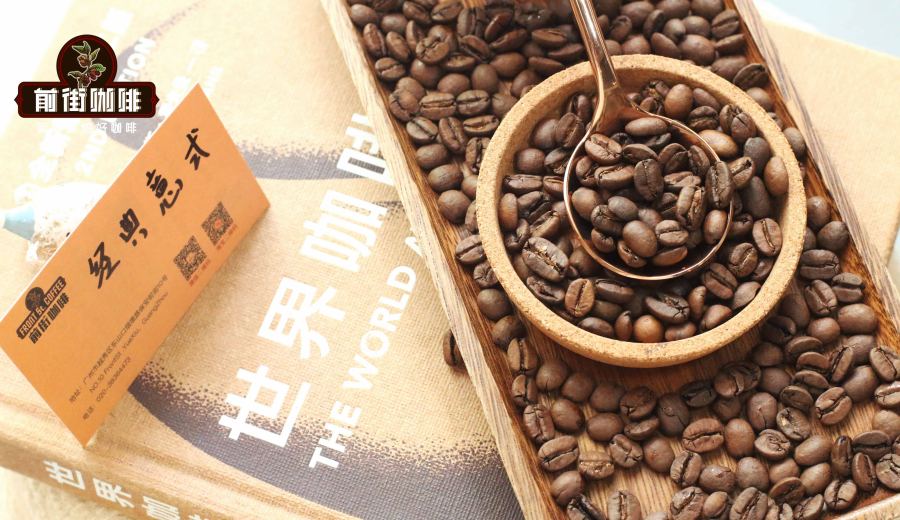
Introduction:Understanding the characteristics of espresso beans, debunking common misconceptions about oiliness, and mastering the proper tasting sequence of authentic espresso will help you gain a deeper appreciation of professional-level coffee experiences. This article also recommends several practical and flavorful blends and single-origin beans, offering useful guidance whether you're a beginner or a coffee enthusiast.
Espresso beans are specifically designed to work with espresso machines under high temperature and high pressure conditions to extract a rich and complex coffee liquid. Compared to pour over beans that emphasize fruity and floral notes and bright acidity, espresso beans usually adopt a multi-origin blending strategy to achieve more balanced and stable flavors, making them particularly suitable for making classic coffees like espresso, latte, and cappuccino.
It’s important to note that not all coffee beans are suitable for use in an espresso machine. Using lightly roasted beans to make espresso often results in overly high acidity, insufficient aroma, and minimal crema, which can negatively affect the overall taste of the drink. If you prefer an Americano with a refreshing and lingering finish, or a well-balanced and rich latte, medium-dark roasted options would be a more suitable starting point.
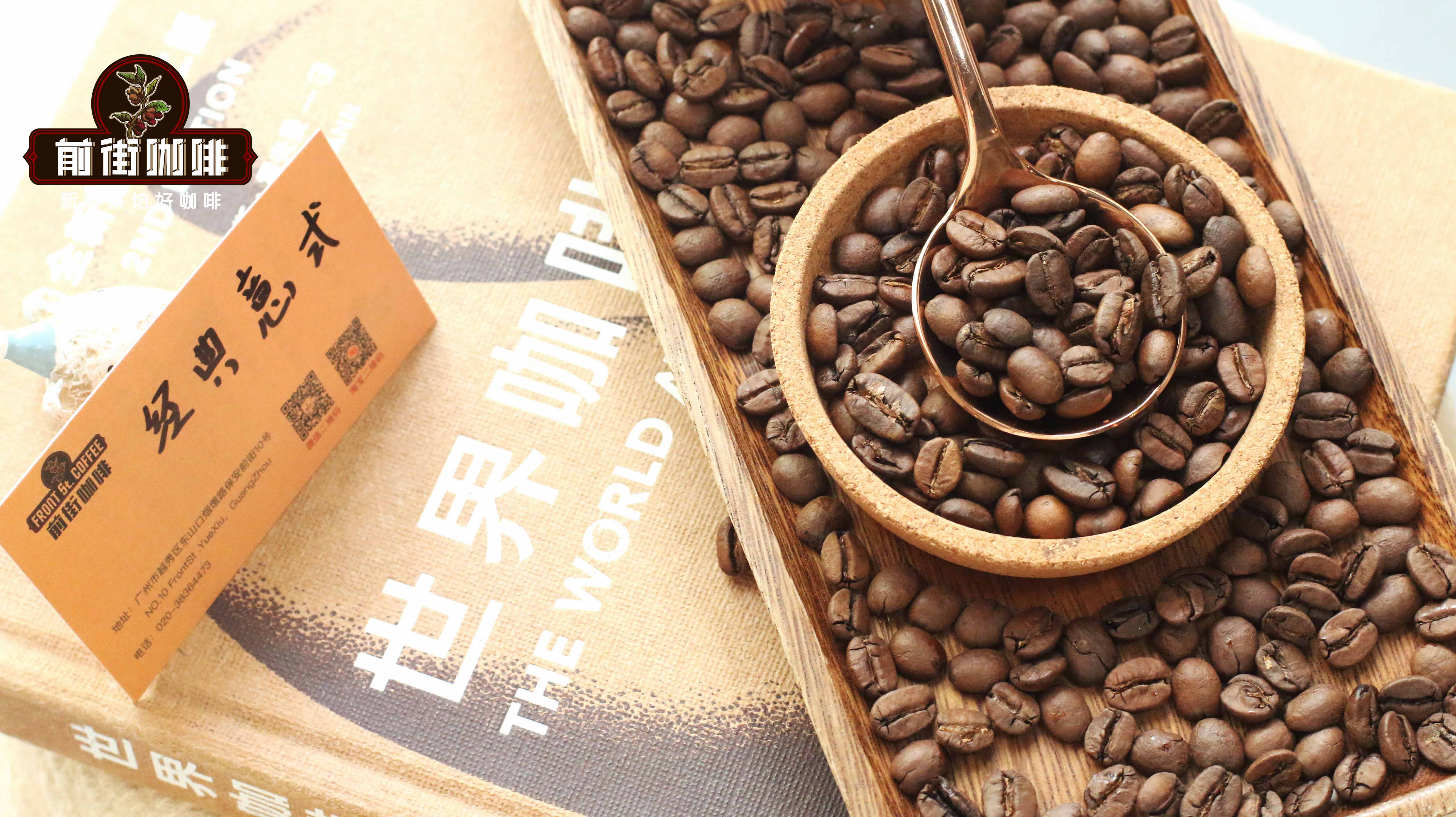
Many people often ask: "If there's an oily sheen on the surface of the coffee beans, does that mean they're no longer fresh?"The presence of oil on coffee beans is a normal phenomenon, and it doesn’t indicate poor quality or improper storage. When coffee beans are subjected to high-temperature roasting, they accumulate a large amount of carbon dioxide and natural oils inside. Over time, as the environment returns to room temperature, these substances gradually release, and some of the oils adhere to the bean surface, creating a shiny appearance.
Generally speaking,the darker the roast, the more noticeable and rapid the oil emergence. Therefore, coffee beans commonly exhibiting an oily sheen are usually medium-dark to dark roasts, such as commercial blends or single-origin SOEs specifically crafted for espresso. However, the speed of oil surfacing is also influenced by storage conditions—if exposed to air, moisture, or light, the process may accelerate.
Traditional espresso, also known as Espresso, serves as the base for many coffee beverages such as lattes and cappuccinos. A standard shot of espresso has a volume of about 30 milliliters, is highly concentrated, has a thick layer of crema, and features distinct caramel, nutty, and chocolatey notes. When a customer orders an Espresso, baristas typically serve it with a glass of water and a small spoon to help cleanse the palate and better appreciate the coffee’s details.
When tasting, it is recommended to first take a sip of water to reset your taste buds; then gently stir the crema (the coffee’s oily layer) on the surface with a spoon to evenly integrate the overall flavors. The first sip should reveal a dense and delicate crema along with strong roasty aromas, followed by the rich essence of the coffee itself, often including notes of nuts, dark chocolate, berries, and even a hint of wine. Finally, take another sip of water to help identify subtle sweetness and layered aftertastes.
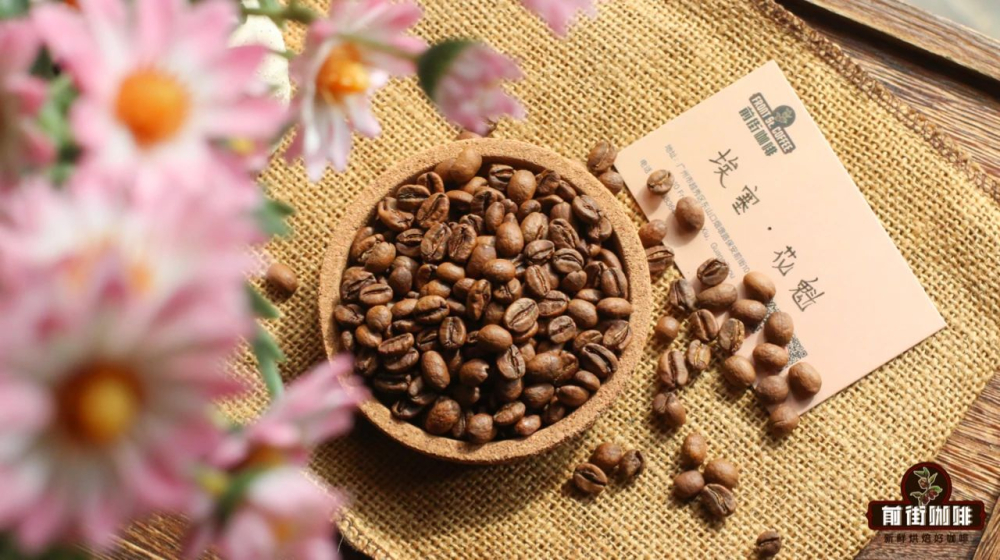
If you’re looking for cost-effective and flavor-rich espresso beans, consider starting with medium-dark roasted blends from stable roasting sources. These beans often combine beans from regions like Brazil, El Salvador, or the Dominican Republic to ensure a balance of acidity, sweetness, and bitterness, along with abundant crema and consistent extraction performance. Additionally, if you prefer single-origin flavors, you might try medium-dark roasted SOEs (Single-Origin Espressos), which usually showcase prominent notes of berries, spices, or chocolate—ideal for exploring deeper flavor profiles.
In summary, choosing the right espresso beans not only improves extraction success but also allows you to more deeply experience the charm of espresso. Whether you’re just starting out or already have some experience, understanding the roasting characteristics of the beans, the principles behind oiliness, and the correct way to taste them can enrich your sensory enjoyment during your daily coffee moments.
The above content is compiled by CoffeeHunters, a coffee news website.


