







Introduction:Jamaican Blue Mountain coffee is renowned for its balanced acidity and sweetness, as well as its delicate aroma, yet it is often counterfeited due to its scarce production. This article explores the growing environment of Blue Mountain coffee, the official grading system, and helps you identify authentic wooden barrel packaging and quality certificates. It also delves into the unique flavors derived from the Typica variety and the washed processing method. Finally, it provides practical pour over parameters and steps to help you brew a rich and sweet Blue Mountain cup.
Blue Mountain coffee has long been hailed as synonymous with top-tier coffee, famed for its rich aroma and the subtle balance among acidity, sweetness, and bitterness. However, due to its extremely limited production and high price, the market is flooded with various imitations that claim a “Blue Mountain flavor,” which in reality have no connection to genuine Jamaican Blue Mountain coffee. This article will take you deep into the cultivation background of Blue Mountain coffee, how to identify authentic beans grown in the Jamaican Blue Mountain region, and analyze its flavor characteristics along with the best pour over brewing methods.
The so-called “Blue Mountain-flavored coffee” is often just a marketing term used by businesses to create a premium image. True Blue Mountain coffee comes from the Blue Mountains in eastern Jamaica—a region blessed not only with fertile volcanic soil but also with a unique climate at high altitudes, giving rise to coffee beans with distinct flavors. The Blue Mountains lie in a seismic zone, with mineral-rich soil, and the significant diurnal temperature variation created by the high altitude allows coffee cherries ample time to ripen. Coupled with abundant rainfall throughout the year, this results in the uniquely mellow and sweet profile of Blue Mountain coffee.
As early as 1948, the Jamaican government established the Coffee Industry Board (CIB) to oversee the production and quality of Blue Mountain coffee and to develop a rigorous grading system. Based on altitude, the Blue Mountain growing regions are divided into three grades: Jamaican Blue Mountain Coffee (grown at elevations between 910–1700 meters), Jamaican High Mountain Coffee, and Jamaican Prime Coffee. Only coffee beans grown between 910 and 1700 meters qualify as “Jamaican Blue Mountain Coffee,” while areas above 1700 meters are designated as protected zones where crop cultivation is entirely prohibited.
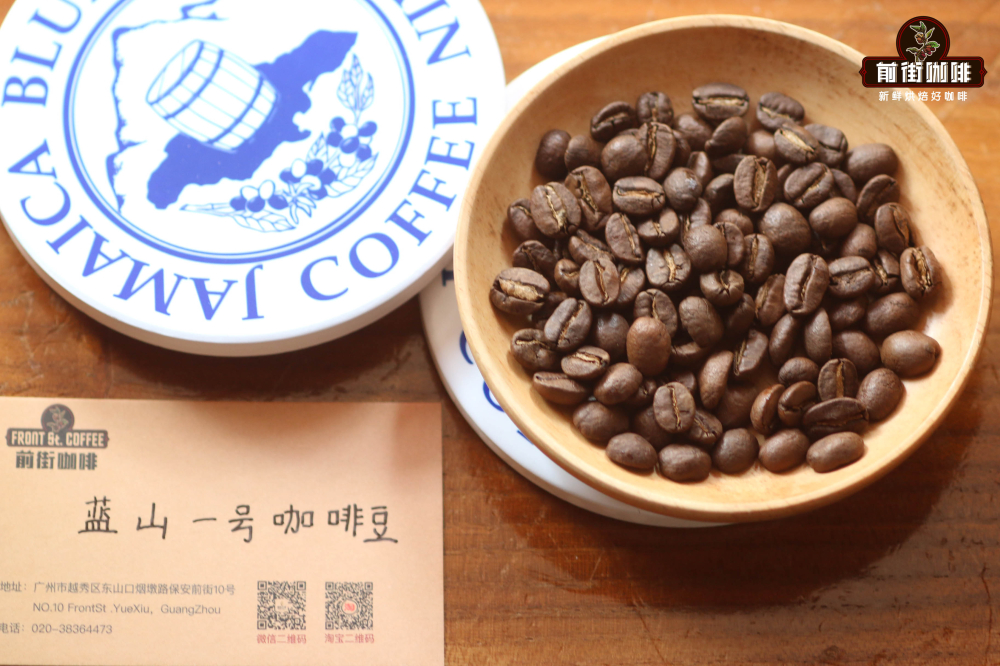
The CIB further grades Blue Mountain green beans according to bean size and defect rate, categorizing them into NO.1, NO.2, NO.3, and Peaberry. Among these, NO.1 is the highest grade, requiring beans to be 17–18 mesh in size, with a defect rate below 3% and uniformly plump and even in appearance. A certain well-known coffee brand’s supply of Blue Mountain No.1 falls under this top grade, requiring multiple rounds of manual sorting, thus making it rare and relatively expensive—this is one of the reasons why Blue Mountain coffee is so precious.
To identify genuine Blue Mountain coffee, in addition to checking the grade, attention should also be paid to its packaging and certificates. The green beans of Jamaican Blue Mountain coffee are typically shipped in wooden barrels,which is a distinctive feature setting them apart from coffees sourced from other regions.Wooden barrels help maintain constant temperature and humidity, preserving the original aroma and moisture content of the green beans, thereby ensuring their quality prior to roasting. In addition, each batch of exported Blue Mountain coffee is accompanied by aquality certificateissued by the Jamaican Coffee Industry Board, detailing the purchase date and quantity, as well as providing the estate’scertificate of origin and authorized distributor certification. When purchasing, it is advisable to carefully verify these documents to avoid counterfeit products.
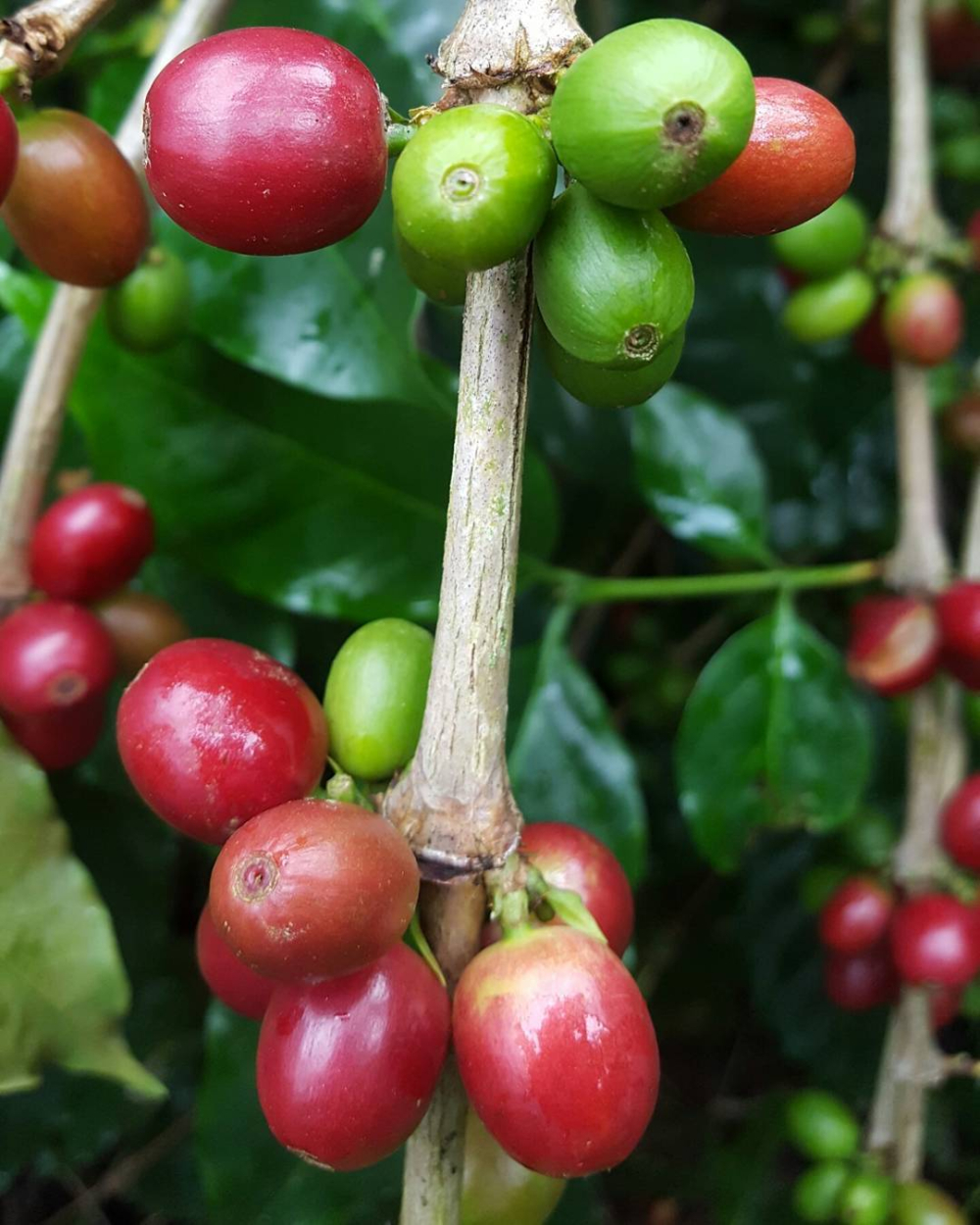
The unique flavor of Blue Mountain coffee stems from the Typica variety it is cultivated with. Compared to many producing countries that opt for high-yield but flavor-neutral varieties in pursuit of quantity, Jamaica insists on planting the Typica variety, which offers superior flavor performance. Over more than two hundred years of evolution within the Blue Mountains’ exceptional natural environment, it has developed unique disease resistance and a refined taste. Moreover, Blue Mountain coffee traditionally employs the washed processing method: first removing the pulp and flesh, allowing the beans to ferment in tanks for 12–18 hours, then repeatedly rinsing them with clean water until the surface is smooth, and finally drying them in parchment with the husk on until the moisture content reaches 12–14%. This process minimizes interference from over-fermented acidity, resulting in a cleaner and more balanced flavor.
The most captivating aspect of Blue Mountain coffee lies in the perfect balance among its acidity, sweetness, and bitterness, coupled with a rich and layered aroma. To fully showcase its characteristics, it is recommended to use a medium-dark roast and to choose freshly roasted beans whenever possible, as coffee flavor compounds gradually diminish over time. It is generally advised to consume the coffee within 5 days after roasting to achieve the optimal flavor experience.
Below are the actual pour over parameters and steps for Blue Mountain No.1 used by a well-known coffee brand’s stores, suitable for coffee enthusiasts who appreciate delicate flavors: the recommended grind size is75% passing through a standard 20-mesh sieve,with water temperature around 88°C, using a slower-flow filter cone (such as a KONO filter cone), and performing a three-stage extraction at a 1:15 coffee-to-water ratio.
Pour over steps:
- 15 grams of coffee grounds, pour 30 grams of water for blooming, for about 30 seconds;
- Second pour up to 125 grams, slowly raising the coffee bed while maintaining a steady water flow;
- When the liquid level drops to half, continue pouring to a total of 225 grams, then wait for filtration to finish before removing the filter cone.
Total extraction time is approximately two minutes. After brewing, it is recommended to gently swirl the coffee liquid to enjoy a balanced aroma and flavor.
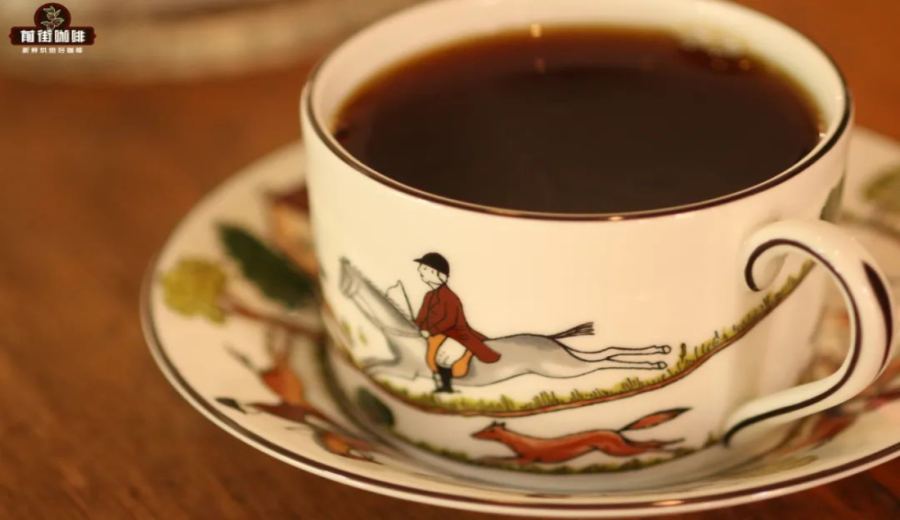
During the brewing process, you will detect rich aromas of roasted nuts and caramel; upon tasting, the sweetness of dark chocolate and nuts intermingle, delivering a mellow and smooth mouthfeel with a fresh and bright aftertaste, showcasing the unique refined flavor of Blue Mountain coffee. With the right bean origin, roast level, and pour over technique, you too can experience this pure taste from the Jamaican Blue Mountains at home.
The above content is compiled by CoffeeHunters, a coffee news website.


