







Introduction:Jamaican Blue Mountain coffee is world-renowned for its rare production and exquisite flavor, yet the market is rife with counterfeits and misleading labels. How can you identify genuine Blue Mountain coffee? This guide explores certification of origin, the unique characteristics of oak barrel shipping, bean appearance and flavor profiles, and also analyzes its washed processing method and precise brewing recommendations, helping you master the essence of authentic Blue Mountain from selection to tasting.
In the global specialty coffee scene, Jamaican Blue Mountain coffee is undoubtedly one of the most iconic and legendary offerings. However, its extremely low annual yield and high demand have led to a proliferation of fake or misleading products. Many consumers unknowingly pay premium prices for coffee labeled as “Blue Mountain” that isn’t the real thing—or is merely a blend with a Blue Mountain flavor profile. Therefore, understanding how to identify authentic Blue Mountain coffee is crucial at every step, from purchase to tasting.
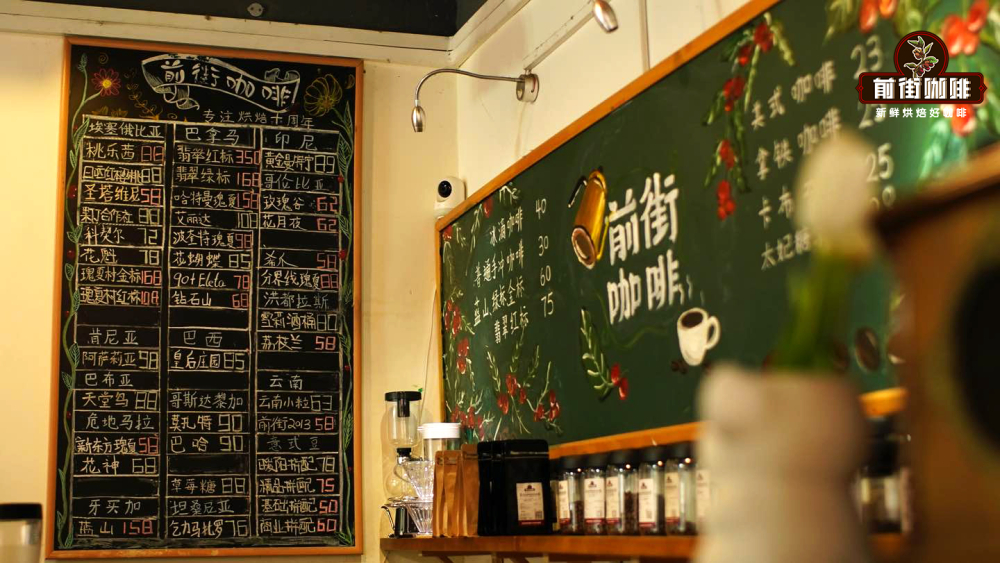
Before you start selecting, it’s essential to recognize a basic truth: genuine Blue Mountain coffee is neither cheap nor easily found in just any retail channel. If you see products online labeled as “Blue Mountain flavor,” “Blue Mountain blend,” or “Blue Mountain roasted,” and priced very low—such as a pack for just a few dozen yuan—it’s almost certainly not the genuine article. In the current market, authentic Jamaican Blue Mountain No. 1 coffee beans cost about 158 RMB per 100 grams, which is the reasonable price point.
Before placing an order, consumers should pay special attention to whether the seller can provide relevant official certification documents. Genuine Blue Mountain coffee is strictly regulated by the Jamaican government in both production and export—all export batches must be inspected and certified by the Jamaica Coffee Industry Board (CIB) and come with a dedicated label. Moreover, Jamaica is the only coffee-producing region in the world that uses handmade oak barrels to ship green beans, with barrel capacities of 70 kg, 30 kg, and 15 kg. Compared to commonly used jute sacks, oak barrels better regulate humidity, prevent aroma loss, and maintain bean moisture stability, contributing to more consistent roasting results. Therefore, if a seller claims to sell authentic Blue Mountain coffee but cannot provide information about oak barrel shipping, consumers should be on high alert.
Additionally, Blue Mountain coffee is only permitted to be grown within a specific area of the Jamaican Blue Mountains, a region strictly designated by the CIB covering approximately 6,000 hectares across Saint Thomas, Saint Mary, Saint Andrew, and Portland. The altitude ranges between 910 and 1,700 meters. Only Typica variety coffee grown in this designated zone qualifies as “Blue Mountain coffee”; all other coffee from the region is collectively referred to as “High Mountain coffee.” Of these, only less than 15% of Blue Mountain coffee meets the standards and is ultimately approved for export—about 900 metric tons per year—which is extremely rare.
Once you’ve purchased roasted Blue Mountain coffee beans, you can further verify their authenticity through the following sensory aspects. First isAroma—authentic Blue Mountain coffee exudes a rich and stable aroma of chocolate and roasted hazelnuts. These deep and layered scents are hard to match with typical dark roasted blends. Next isFlavor—true Blue Mountain achieves a balanced harmony of acidity, sweetness, bitterness, and aroma, with no single flavor standing out abruptly. The overall taste is mellow, with a moderate level of sweetness. Visually, the Blue Mountain green beans, rigorously selected by the CIB, are uniform in size with an extremely low defect rate. Roasted beans are plump and glossy, and they feel crisp and smooth when ground—all important details for identifying authenticity.
The rarity of Blue Mountain coffee is inseparable from its unique growing environment. The Blue Mountains are surrounded by the Caribbean Sea, creating a distinctive island-type tropical rainforest climate with abundant but well-drained rainfall during the rainy season. The volcanic soil is rich in minerals, allowing coffee trees to grow naturally and healthily. The high-altitude areas feature cool climates, ample sunlight without excessive heat, and frequent light mist—conditions highly favorable for cultivating the Typica variety. Local farmers often intercrop coffee trees with banana trees, which help provide shade and conserve soil.
Blue Mountain coffee uses the traditional washed processing method. After harvest, coffee cherries are first floated to remove unripe or defective ones. The pulp and skin are then removed, and the beans undergo fermentation in tanks for 12 to 18 hours. They are subsequently spread out in the sun to dry and finally packed and set aside for inspection. This meticulous process not only reduces the defect rate but also preserves the coffee beans’ most original aroma and clean taste, resulting in a final flavor that is exceptionally pure.
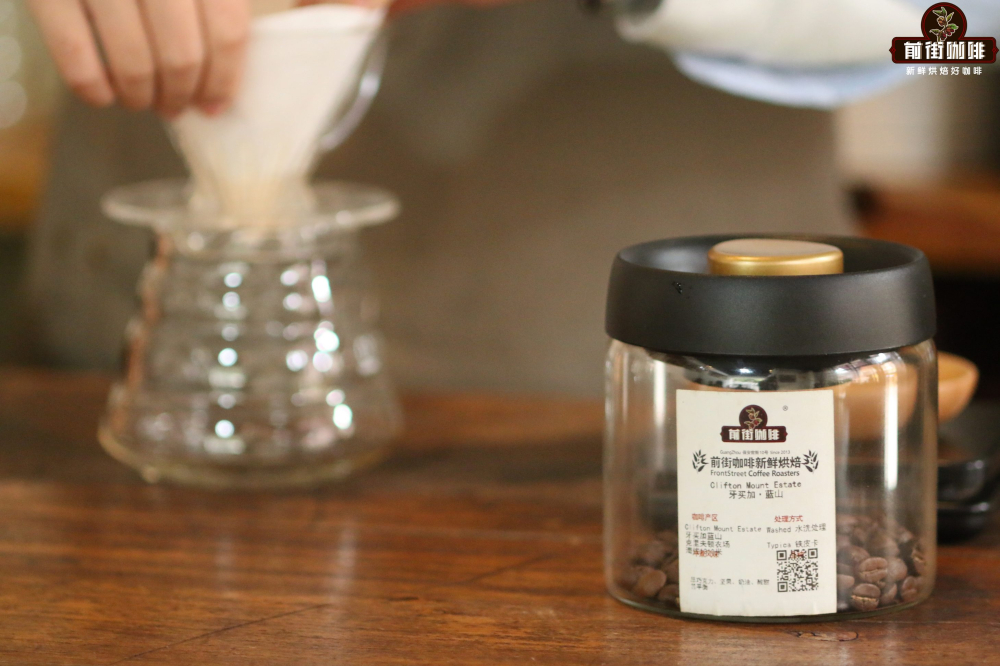
Regarding how to brew authentic Blue Mountain coffee at home to bring out its classic flavors, it is recommended to use a medium-dark roast to balance its natural notes of chocolate, nuts, and subtle acidity. Practical advice from a well-known coffee shop is as follows: use a KONO filter, set the water temperature to 88°C, with a coffee-to-water ratio of 1:15—15 grams of coffee grounds and water volume of 225 grams. The grind size is around EK43s setting 10.5 (approximately 75% extraction through a #20 sieve). The steps are as follows: wet the filter and attach it tightly to the dripper, add the coffee grounds, and then pour 30 grams of water for a 30-second bloom. Then slowly pour water in a circular motion from the center until reaching 125 grams for the first pour. Once the coffee bed has settled, continue pouring to 225 grams until the dripping is complete. This method fully highlights the richness and sweetness of Blue Mountain coffee while maintaining clear layering of its flavors.
In summary, from verifying certification and shipping methods before purchasing, to identifying the appearance, aroma, and flavor of roasted beans, to mastering brewing parameters and techniques at home—every step is key to experiencing true Jamaican Blue Mountain coffee. Only by grasping these details can you distinguish that exceptional cup from the Blue Mountain Mountains among countless imitations.
The above content is compiled by CoffeeHunters, a coffee news website.


