







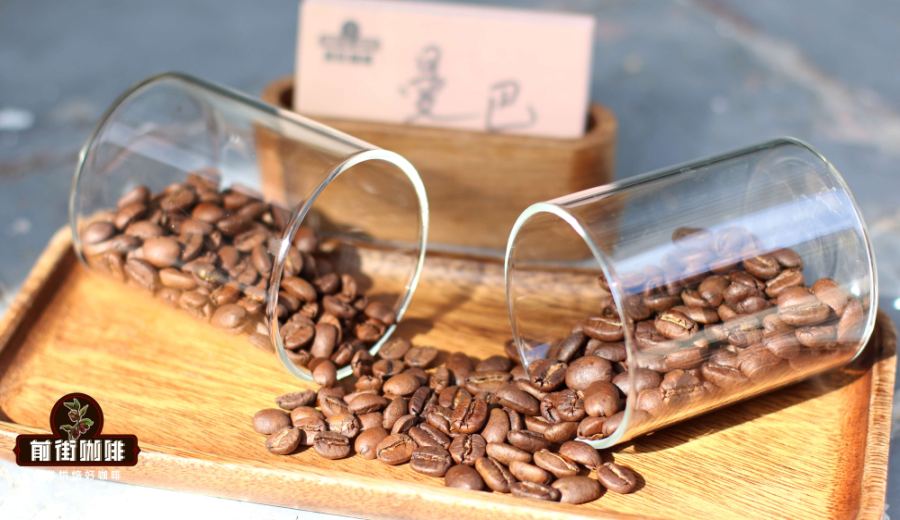
Introduction:Mandheling–Brazil (Mamba) coffee is a classic blend combining Mandheling and Brazilian beans. Common ratios include 50:50, 6:4, and even 7:3, with diverse flavor profiles emerging across different roast levels. This article delves into the origin backgrounds, processing differences, and taste characteristics of various Mamba blend ratios, and explores how proper roasting and brewing methods can bring out a rich, sweet, and well-balanced coffee experience.
When it comes to Mamba coffee, many people immediately think of a blend of Mandheling and Brazilian beans. In fact, the name "Mamba" is derived from the initials of these two types of coffee—“Mandheling” and “Brazil.” Common blending ratios include equal parts 1:1, 6:4, or even 7:3, depending on the roaster’s intended flavor direction. Different roast levels also significantly impact the final flavor profile—from medium roast’s balanced body to dark roast’s intense caramelized richness. Mamba coffee showcases remarkable adaptability and flexibility.
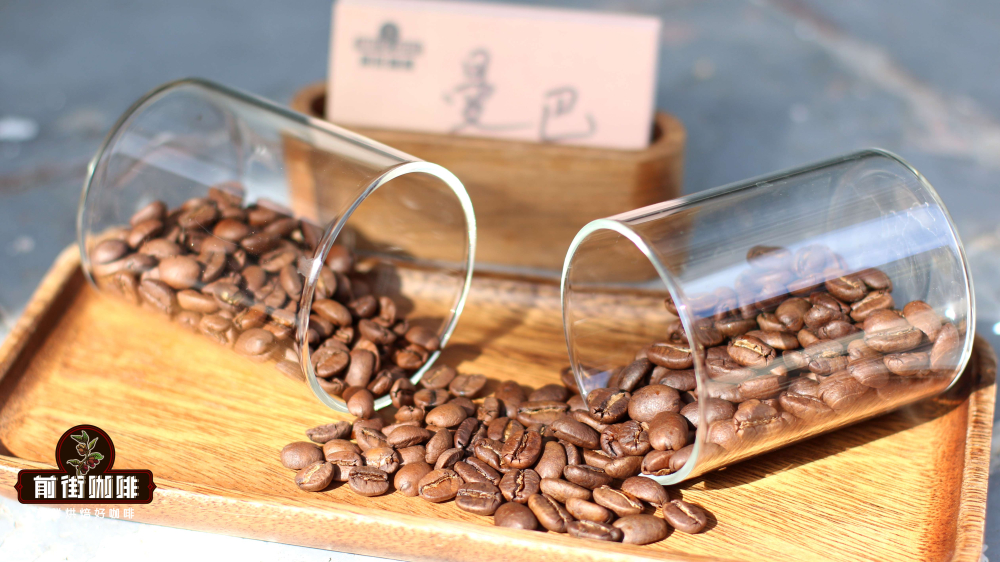
In terms of blending logic, Mamba coffee artfully combines Mandheling’s full body with Brazilian beans’ sweet, low-acidity profile. Mandheling typically comes from Sumatra, Indonesia, known for its low acidity, high body, and distinctive spicy and earthy notes. Brazilian beans, especially red Bourbon from the Cerrado region, are prized for their uniform bean appearance, pronounced sweetness, and gentle acidity. Blending these two complementary origin characteristics results in a complex yet balanced cup.
Mamba blend ratios and roasting strategies vary across the market. Some roasters prefer medium-dark roasts to enhance body and caramelized aromas, while others opt for medium roasts to preserve more nuance and layers. For example, a blend of Sumatran G1-grade Mandheling and Brazilian Cerrado red Bourbon, roasted dark for espresso, can yield flavors of dark chocolate, caramel, hazelnut, and hints of butter. The cup is rich yet smooth, making it ideal as a milk coffee base or for straight enjoyment.
To truly understand the flavor origins of Mamba coffee, we must start with its two main origins—Sumatra, Indonesia, and Cerrado, Brazil. The Lintong region in northern Sumatra is renowned for its semi-washed (also called wet-hulled) processing method. Due to local soil properties and microclimatic conditions, beans from this area generally exhibit a full body and low acidity, with unique herbal, spicy, and earthy notes. Among them, carefully selected Golden Mandheling is especially noted for its high quality and consistent cup profile.
Meanwhile, Brazil, the world’s largest coffee producer, has the Cerrado region situated at around 1,000 meters above sea level. The area enjoys a dry and stable climate with notable day-night temperature variations, and its soil is gravel-rich and well-draining. The common red Bourbon variety here, processed using the pulped natural (semi-washed) method, preserves sugars and aromatic compounds from the mucilage, resulting in coffee with low acidity, a round body, and flavors of cocoa and subtle sweet spices. This processing method also allows the beans to develop rich caramel and nutty tones after roasting.
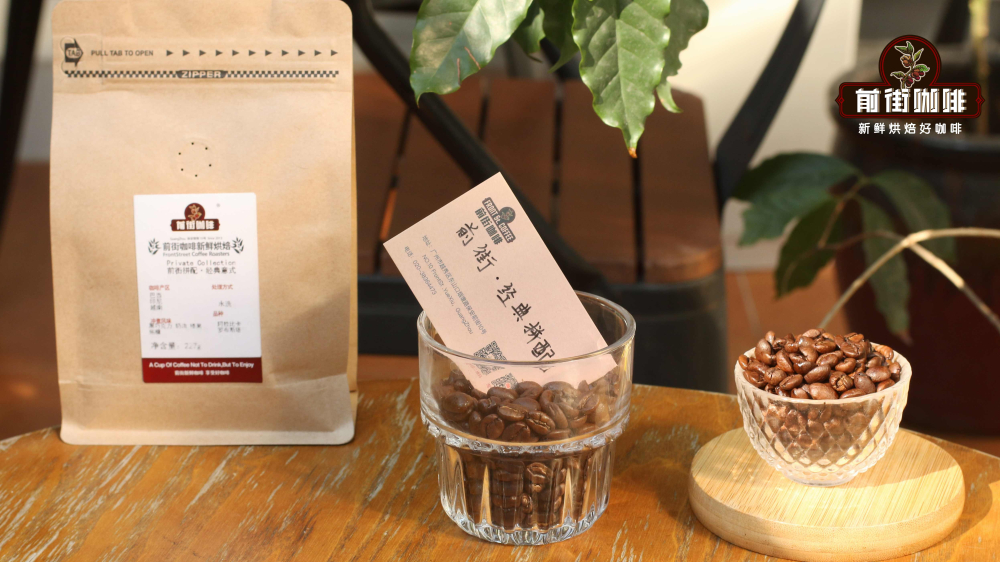
The so-called pulped natural (semi-washed) process involves removing the coffee cherry's skin and pulp but leaving part of the mucilage layer before sun-drying. This method combines elements of washed and natural processes, reducing processing time while retaining more sweetness and aromatic complexity. Compared to traditional washed processing, pulped natural coffee usually features softer acidity, a denser body, noticeable sweetness, and a long-lasting aftertaste—making it highly suitable for blends to balance acidity and enhance mouthfeel smoothness.
In actual blending, many roasters adjust the ratio based on target markets or consumer preferences. For instance, if emphasizing body and low acidity, they might increase Mandheling to 70% with 30% Brazilian beans, using a dark roast to highlight caramel and chocolate notes. If aiming for a more balanced and approachable cup, a 6:4 ratio may be chosen, presented with a medium roast to showcase delicate spice, nut, and mildly sweet fruit tones. Regardless of the combination, the key lies in leveraging roast curves and grind-brew parameters to highlight each bean’s strengths while mitigating weaknesses.

In summary, the charm of Mamba blend coffee lies in its ability to deliver diverse and layered experiences through just two types of beans. Whether you’re a fan of bold, dark-roasted milk coffee or a specialty coffee enthusiast exploring medium-roast clarity, you can find your own flavor balance point within Mamba blends. When experimenting with different ratios and roast levels, it’s also recommended to observe how grind size and brewing methods complement the blend to fully showcase each mix’s potential and character.
The above content is compiled by CoffeeHunters, a coffee news website.


