








Introduction:Blended coffee is not just a random mix, but a carefully crafted combination by master blenders who leverage their expertise to allow beans from different origins to complement each other, creating a balanced and captivating flavor profile. This article delves into the formulation logic behind espresso blends, explores whether medium-to-dark roasted blends are suitable for pour over, and provides practical tips on grind size, water temperature, and pouring techniques to help you fully unlock the potential of your blend.
Blended coffee is not merely about haphazardly combining beans from different regions. It is the result of meticulous design by skilled blenders, harmonizing the unique characteristics of beans from various origins to achieve a more complex, balanced, and layered flavor. This creative process not only tests the blender’s sensory judgment but also requires scientifically controlled roasting ratios and processes.
Many coffee enthusiasts believe that only single-origin beans can showcase the unique flavors of a specific region, but that’s not the case. Specialty coffee, as defined by the SCA (Specialty Coffee Association) with a score of 80 or above, can be either single-origin or a blend—so long as it is expertly roasted and brewed by professionals, it qualifies as specialty. Blending is akin to an artist mixing colors, where different hues come together to create a harmonious and expressive masterpiece.

A coffee blend can consist of different varieties, origins, or even the same variety roasted to varying degrees, all mixed in specific proportions. The goal is usually to balance the flavor profile, reduce overall costs, highlight a particular characteristic, or ensure consistency across batches. Especially for espresso, blends offer a stable and intense base.
Many well-known coffee brands develop their espresso blends through extensive testing and refinement to determine the optimal ratio and roast curve. For example, some blends use Brazilian beans as a base to provide nutty and chocolatey notes, then incorporate beans from other regions to introduce acidity or fruity tones, resulting in a more multidimensional taste experience.
It’s worth noting that blends are typically created using a “post-roast blending” method, where each bean is roasted separately before being mixed in the desired proportion. This approach allows for more precise control over the roast level of each component and enables fine-tuning of proportions based on weight loss rates to achieve the best flavor. Additionally, post-roast blending helps preserve freshness, so it’s recommended to consume the coffee soon after purchase to enjoy it at its peak.
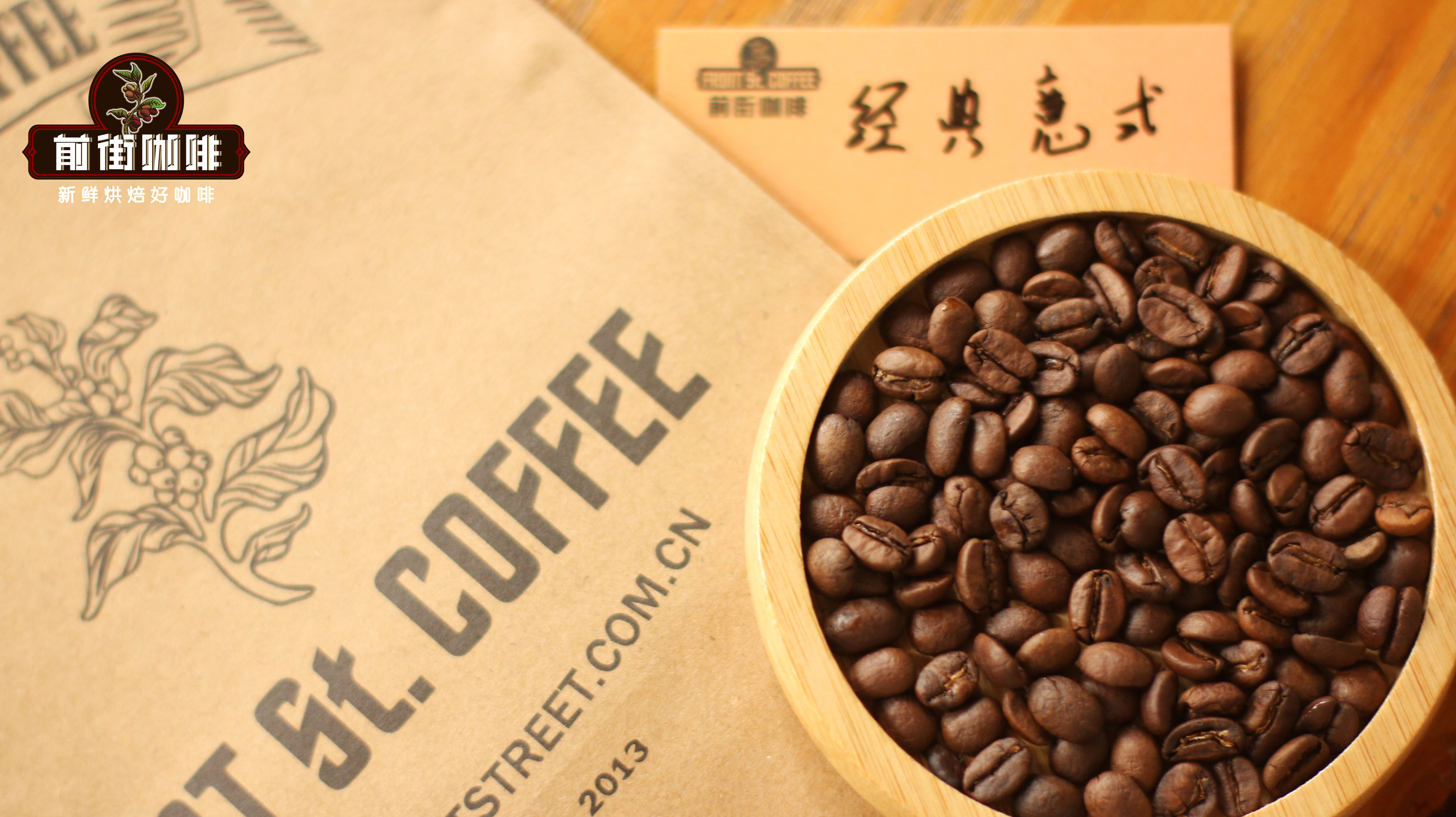
So why are most blends better suited for espresso rather than pour over? This largely comes down to roast level and brewing method. Espresso machines extract coffee under high pressure and temperature using an extremely fine grind, concentrating the various flavor compounds intensely. In this scenario, using light-roast beans originally designed for drip methods (like pour over) may result in overly sharp or unbalanced fruit acidity.
In contrast, medium-to-dark roasted blends, with more pronounced caramelization, deliver rich notes of nuts, chocolate, and caramel, showcasing a stable and full-bodied taste under high-pressure extraction. However, these beans require parameter adjustments when used for pour over to avoid over-extraction and bitterness.
If you want to try brewing a medium-to-dark roasted blend using pour over, it’s recommended to use a medium-coarse grind (approximately 70% through a Chinese standard No. 20 sieve) and set the water temperature between 87~88°C . Compared to the 91~93°C commonly used for light roasts, the lower temperature helps reduce over-extraction and prevents the release of excessive large-molecule bitter compounds.
Additionally, it’s advised to use a 1:15 coffee-to-water ratioand employ a three-step pouring method: first, pour 30ml of hot water for blooming to degas the coffee grounds; second, pour 100ml to primarily extract the surface aromas and crema; finally, add the remaining water to stabilize the overall extraction. This method helps fully bring out the caramel sweetness and rich body of the blend.
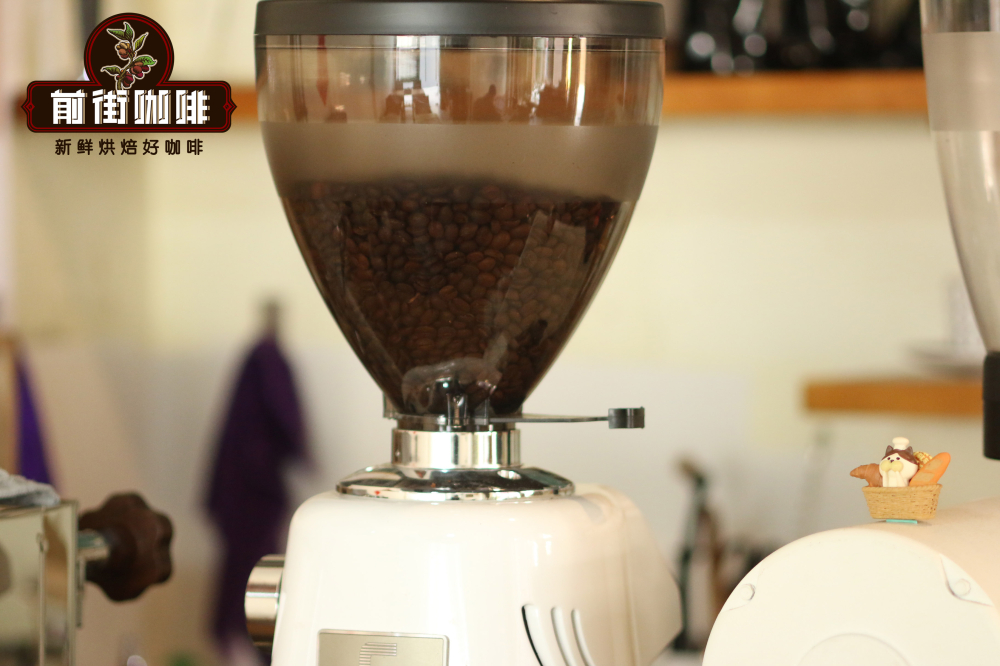
If you happen to have a medium-to-dark roasted espresso blend on hand, feel free to experiment with the above parameters for pour over and experience flavors distinct from espresso. Of course, every blend has its unique formulation logic, and some may still be primarily designed for espresso, requiring more careful adjustments when brewed as pour over.
In summary, blended coffee is a specialized skill that merges sensory artistry with scientific technique. Whether you’re crafting a bold espresso shot or exploring the diverse possibilities of pour over, understanding the formulation behind the blend and adjusting parameters accordingly will allow you to savor the limitless flavors of coffee more deeply.
The above content is compiled by CoffeeHunters, a coffee news website.


