







Introduction:Many coffee beginners often wonder why espresso mostly uses blended beans, while pour over favors single-origin beans? This article delves into the fundamental differences between the two—from blending principles and roasting strategies to actual recipe ratios—to help you understand how blends achieve balanced flavors and stable extraction through the clever combination of different origins and roast levels. It also explains the technical differences between pre-roast (生拼) and post-roast (熟拼) blending, and provides specific recipes and flavor profiles of four classic espresso blends to help you choose the most suitable beans based on your needs.
Many newcomers to coffee often have this question: why is espresso—like lattes and cappuccinos—mostly made with blended beans, while pour over coffee tends to favor single-origin beans? What’s the fundamental difference between them? In fact, this involves a comprehensive consideration of bean selection logic, roasting methods, and the final brewing performance.
Simply put,single-origin coffee beansrefer to beans from a single region or farm, such as the famous Ethiopian Yirgacheffe or Indonesia’s Mandheling. These beans best showcase the unique terroir and processing characteristics of their origin, such as bright citrus notes, floral or herbal aromas. However,espresso blendsare created by combining beans from different regions and with varying flavor profiles in specific proportions, aiming to produce a more balanced and well-rounded flavor profile that suits the high-pressure extraction of espresso machines.
Espresso blends are not randomly mixed; they require skilled blending by a roaster who considers the acidity, sweetness, body, aroma, and other characteristics of beans from different regions. The goal is to achieve a balance of sweet, sour, and bitter notes, a smooth and mellow cup that can withstand the challenges of high-pressure extraction. Typically, 2 to 6 types of beans are used in a blend—using too many can lead to flavor confusion and make it hard to highlight distinctive qualities.
The original intention behind blending originated from the practical needs of Italian coffee culture. Early espresso emphasized a rich, balanced flavor with a good bitterness-sweetness ratio, but beans from a single origin often leaned too heavily in one flavor direction—for example, some were overly acidic, others distinctly bitter—making them unsuitable for mass production and daily consistent supply. Additionally, blends are usually more cost-effective yet still offer stable flavor output, which is why they gradually became the market standard.
To ensure consistent flavor year after year, many coffee shops and roasters choose to blend beans from different years and regions to offset flavor fluctuations caused by seasonal climate changes. Moreover, the high-pressure extraction of espresso machines amplifies the most prominent characteristics of the beans. Using a single variety can easily result in overly intense or unbalanced flavors, which is another key reason why espresso almost always uses blends.
Blending methods are mainly divided intopre-roast blending (生拼)andpost-roast blending (熟拼). Pre-roast blending refers to mixing different types of green beans in specific proportions before roasting them together. The advantage of this method is that it ensures consistent roast levels, simplifies the process, improves efficiency, and reduces quality control challenges.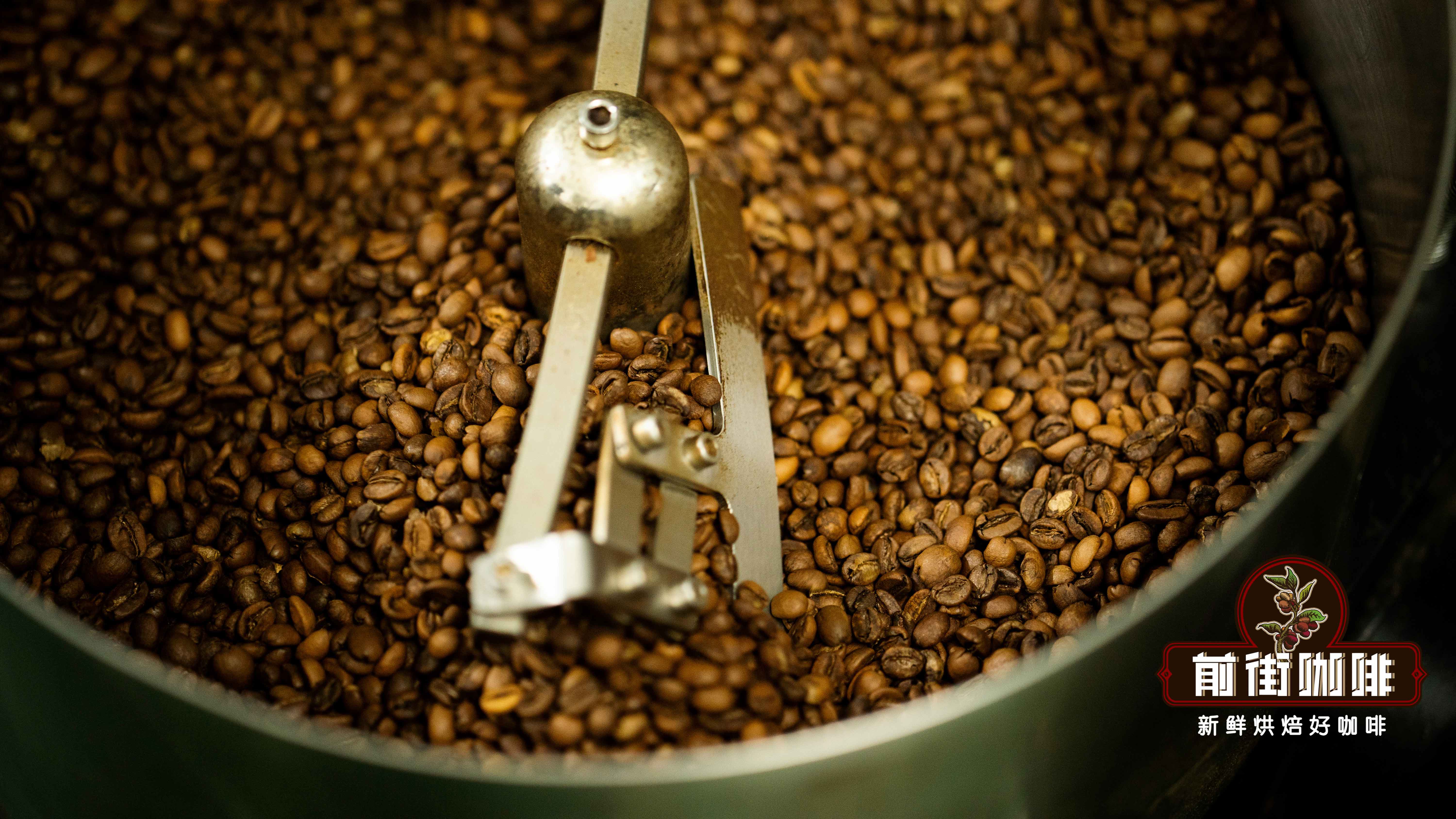 However, pre-roast blending demands higher uniformity in bean density and suitable roast profiles. Mixing beans with different roasting characteristics (e.g., light roast and dark roast) may lead to suboptimal flavor outcomes. Therefore, pre-roast blending typically recommends using beans with similar densities and compatible roasting profiles.
In contrast,post-roast blending (熟拼)involves roasting each type of bean to its optimal state separately, then blending them according to the recipe. This method allows each bean’s most distinctive characteristics to shine—for example, one bean might highlight bright fruit acidity, while another contributes a rich body and caramel sweetness. But the downside of post-roast blending is its complexity in management: beans roasted on different days require separate rest periods, posing a challenge to quality control and inventory management.
Beyond the differences between pre- and post-roast blending, blending strategies can also be categorized asregional blends (產區拼配)andvarietal blends (品種拼配). Regional blending is the most common approach—for instance, combining the bright fruit acidity of African beans with the rich sweetness of beans from Central and South America to create a layered and balanced flavor profile. Varietal blending, on the other hand, is often used to emphasize the characteristics of a specific coffee variety, such as the tea-like quality and floral-fruity notes of Geisha. However, such blends sometimes lean more toward marketing positioning rather than traditional comprehensive flavor blending.
Below are four classic espresso blend recipes and flavor profiles, designed for different budgets and use cases, for coffee enthusiasts to reference:
1. Basic Espresso Blend (454g / 1 lb)
Flavor Profile: Delivers soft fruit acidity, caramel sweetness, and a finish of nuts and dark chocolate. The overall taste is smooth but with relatively simple layers, suitable for users on a budget or just starting out.
Recipe Ratio: 30% Yunnan beans, 70% Brazilian beans.
2. Commercial Espresso Blend (454g / 1 lb)
Flavor Profile: Features pronounced caramel sweetness, paired with the richness of nuts and dark chocolate. Balanced sweet and sour notes, with a long-lasting finish and a hint of sweetness. Ideal as a stable choice for daily high-volume use in coffee shops.
Recipe Ratio: 30% Colombian beans, 60% Brazilian beans, 10% Robusta beans.
3. Premium Espresso Blend (454g / 1 lb)
Flavor Profile: Offers gentle acidity, clear sweetness, medium body, and a nutty aftertaste. Suitable for daily café use, with good cost-performance and stable flavor.
Recipe Ratio: 30% Colombian beans, 70% Brazilian beans.
4. Sunflower Warmth Espresso Blend (227g / 0.5 lb)
Flavor Profile: Boasts distinct fruit acidity and berry aromas, with wine-like notes and a rich chocolate character. Excellent aftertaste, featuring a complex and layered flavor profile, especially suitable as a base bean for espresso.
Recipe Ratio: 60% Honduran SHG Sherry beans, 40% Ethiopian Yirgacheffe Natural Red Cherry beans.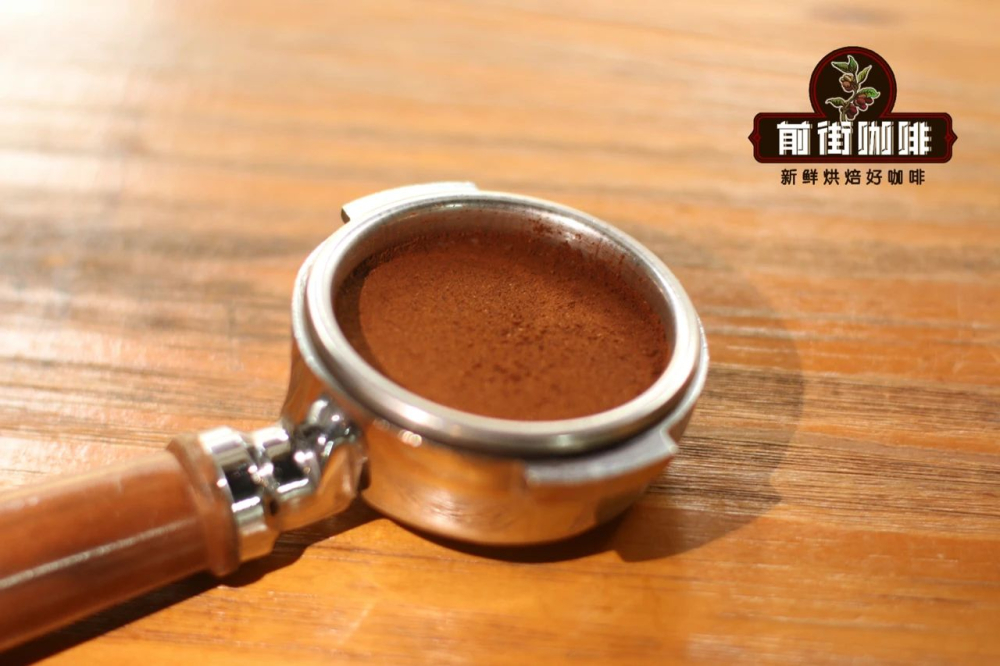
This Sunflower Warmth blend is currently a top choice for many coffee shops making espresso. Its fermented wine-like aroma and berry flavors pair exceptionally well with milk, enhancing the overall drink’s complexity and flavor expression.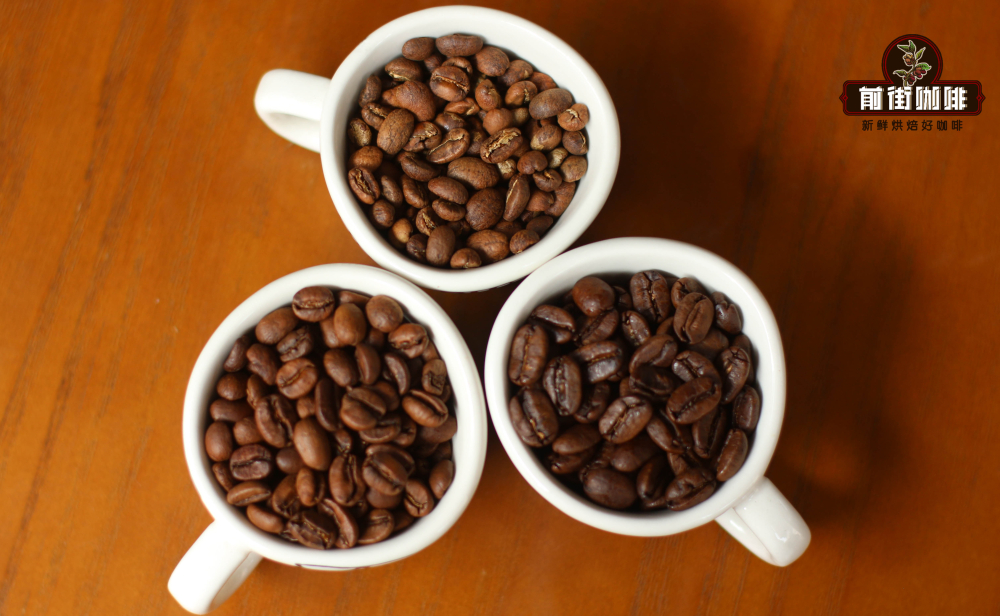
In summary, when choosing an espresso blend, it’s recommended to decide based on your budget, brewing equipment, and flavor expectations. Whether you’re pursuing stable output for commercial use or exploring more nuanced flavors as a specialty enthusiast, you can find your ideal coffee experience in the right blend recipe.
The above content is compiled by CoffeeHunters, a coffee news website.


