








Introduction:To brew an ideal pour over coffee at home, selecting the right coffee beans is crucial. This article delves into how to choose beans that suit your taste—covering freshness, regional flavor profiles, roast levels—and offers practical storage tips to help you avoid common mistakes so every bean can deliver its best flavor.
Enjoying a pour over coffee at home is not just a showcase of technique, but also a process of savoring the charm of coffee itself. And it all starts with choosing the right beans. Faced with a dazzling array of options on the market, many beginners often don’t know where to begin. In fact, by mastering three key factors—freshness, regional flavor, and roast depth—you can quickly narrow down your choices and find the one that matches your personal taste. In addition, proper storage is extremely important, as it affects not only the flavor but the overall drinking experience.
First, when purchasing pour over coffee beans, be sure to pay attention tothe roast date. Generally speaking, coffee beans reach their flavor peak aroundfive to fourteen daysafter roasting, and this golden period lasts at most about one and a half months. Once past fifty days, the aroma and complexity will noticeably decline—even if the beans were originally expensive, they may produce a bland cup. Therefore, it’s recommended to use them withinfour to six weeksafter purchase. Also, buying whole beans and grinding them yourself preserves much more of the original aroma and flavor nuances compared to pre-ground coffee.
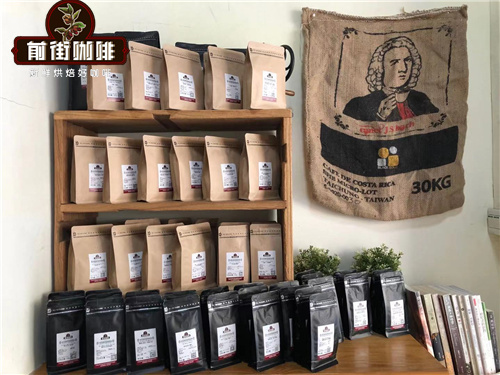
In terms of purchasing channels, it’s advisable to choose reputablein-house roastersor specialty coffee shops with stable supply and roasting records. Such vendors typically have higher standards for bean quality and can guarantee freshly roasted beans. Sometimes they even ship beans roasted just a few days prior and can arrange delivery quickly, ensuring the beans arrive at their peak flavor stage.
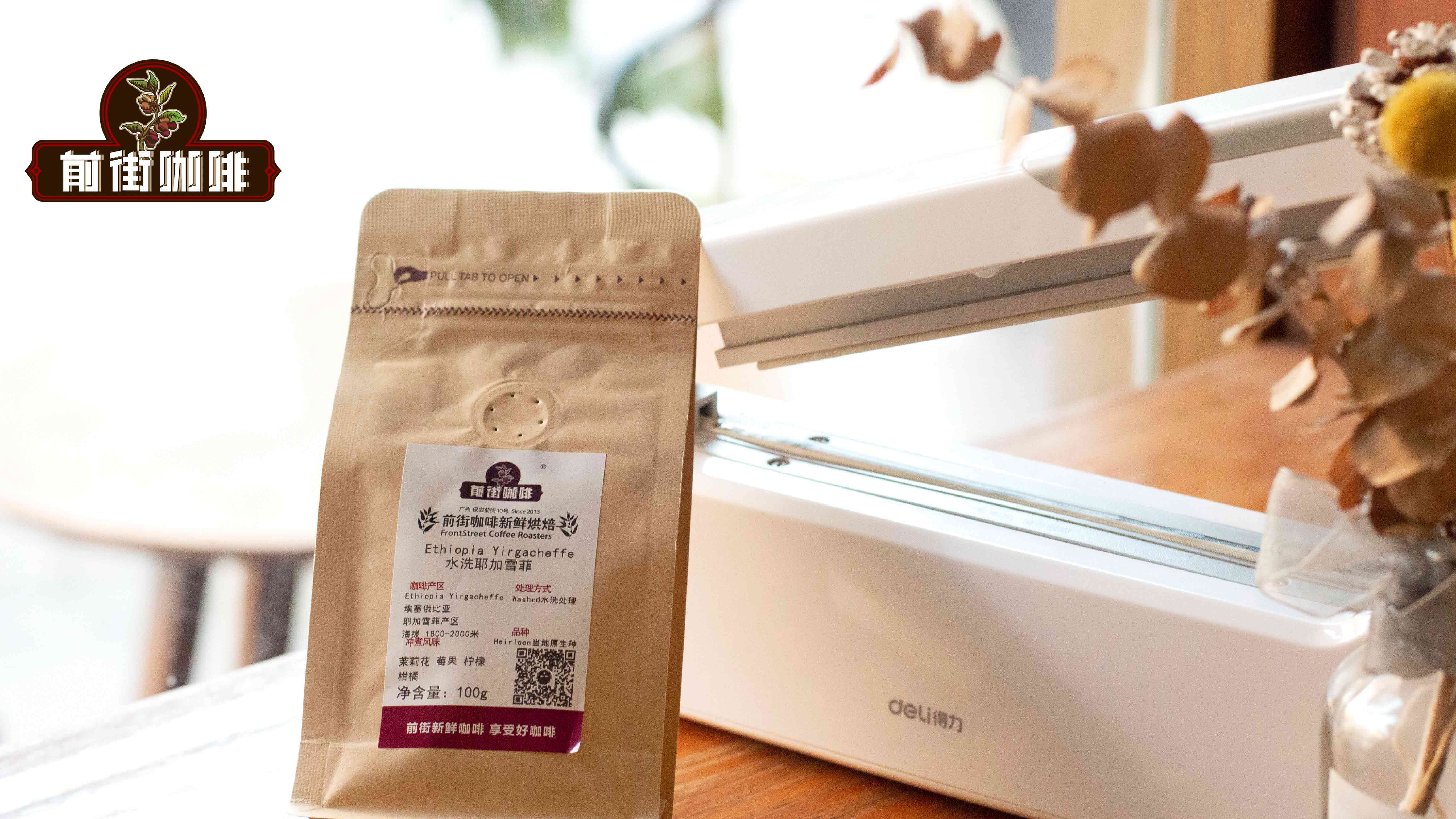
Global coffee-growing regions can generally be divided into three major areas: Africa, Asia, and Latin America, each with its own unique flavor profile. For instance, African regions, represented byEthiopia, Kenya, Rwanda, and Tanzania, often produce coffees with bright acidity, lively and refreshing flavors, commonly seen in light roasts. For beginners new to pour over, starting with light-roasted washed beans such as the popular Yirgacheffe—with its citrus and floral notes—is a great way to develop sensitivity to flavors.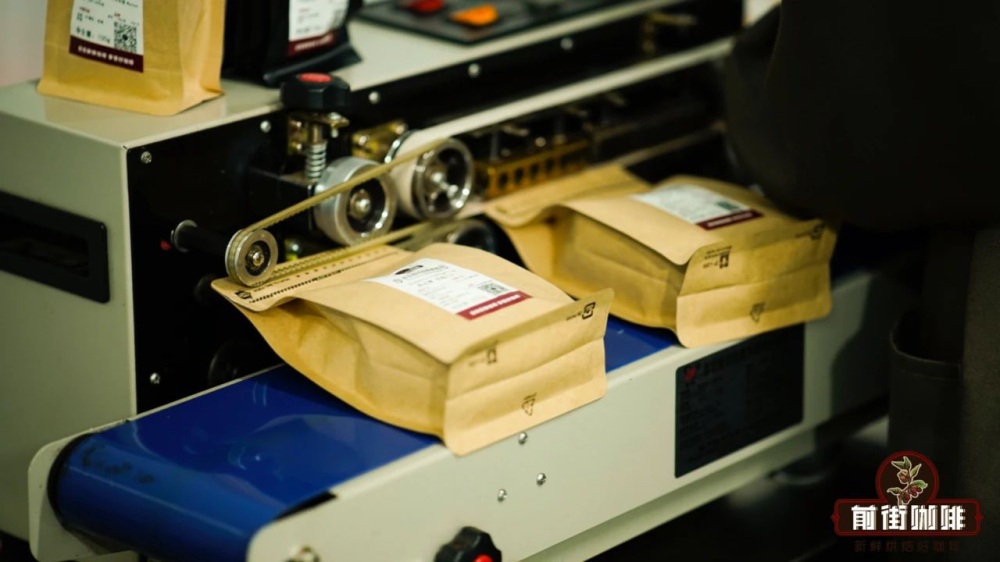
Coffees from Asian regions, on the other hand, usually showcase a character distinctly different from Africa. Coffees from places likeIndonesia and Yunnanoften exhibit rich body along with unique aromas of herbs, spices, and earth, typically roasted darker. Take Sumatra’s Mandheling, for example—this classic coffee features low acidity, high body, and distinctive herbal and nutty notes, beloved by many coffee enthusiasts.
As for Latin America, its coffee flavors often fall between those of Africa and Asia, commonly found inmedium roasts, offering balanced and layered profiles. Brazil and Colombia are representative countries in this region; the former often presents pronounced nutty and chocolatey tones, while the latter may blend cherry, caramel, and soft acidity. These beans are ideal for drinkers who prefer a smooth mouthfeel and multi-dimensional flavors.
After selecting the right coffee beans, the next key point isproper storage. Once coffee beans are roasted, they begin to oxidize upon exposure to oxygen in the air, causing internal oils to deteriorate and aroma to dissipate. Temperature, humidity, and light all accelerate this process significantly—especially high temperatures, which can cause beans to lose their original flavors more quickly. Therefore, store beans in anairtight, cool, and darkenvironment, with the temperature kept below25 degrees Celsius.
In terms of containers, transparent or non-light-blocking plastic bottles or cans are not ideal. Plastic can absorb oils released by the beans, and if previously used for oxidized coffee, may affect subsequent storage. Glass jars are a better option, effectively blocking light and some heat—but they must have good sealability. Common airtight jars available at supermarkets can be used temporarily, but they lack ventilation, and for medium to dark roasts, oil may start appearing in about four days, impacting quality. For more effective freshness maintenance, it’s recommended to use professional coffee storage cans equipped withone-way degassing valves, which release excess carbon dioxide while preventing oxygen from entering.
In summary, to enjoy an excellent-flavored pour over coffee, no step—from bean selection to storage—should be overlooked. When choosing, look for freshly roasted beans with regional flavors you like, and select an appropriate roast level. When storing, make sure to protect the beans from air, light, and high temperatures, so they can perform at their best during brewing, delivering a coffee experience worth savoring sip by sip.
The above content is compiled by CoffeeHunters, a coffee news website.


