








Introduction:Although Ecuador possesses ideal geographical conditions with its equatorial location and high altitude, it has long remained under the radar in the specialty coffee scene. This article delves into its coffee-growing regions, varietal characteristics, flavor profiles, and analyzes key parameters from selection and roasting to pour over brewing, helping you uncover the refined charm of this promising South American coffee origin.
Among the many South American coffee-producing countries, Ecuador, though straddling the equator and blessed with the Andes Mountains and fertile volcanic soils, has long failed to secure a prominent position in the global specialty coffee market. What factors have limited the coffee performance of this "Land of the Equator"? We explore everything from regional environments and varietal traits, to processing methods, flavor profiles, and roasting strategies, to give you a comprehensive understanding of Ecuadorian coffee’s potential and challenges.
Also known as the "Land of the Equator," Ecuador is bisected by the equator, with the Andes Mountains stretching from north to south and numerous high-altitude volcanic terrains. Among them, the most representative is the world's highest active volcano, standing at an elevation of 5,897 meters. The combination of low latitude and high altitude, along with mineral-rich volcanic soils, creates an ideal environment for coffee cultivation. In fact, Ecuador is one of the few places in the world capable of growing high-altitude Arabica, laying a solid foundation for specialty coffee.

Looking back at history, coffee cultivation in Ecuador dates back to the 1860s, with the first coffee plantations established in the coastal areas of Manabí Province. The country boasts extremely high biodiversity, and its native environment is highly suitable for coffee growth, leading coffee to quickly become one of the main export crops. However, it wasn’t until the late 1920s, affected by cocoa diseases, that coffee gradually became an economic pillar, though it still wasn’t a development priority. The international coffee price crisis of the 1990s caused a significant drop in production, and in the early 2000s, Ecuador’s economy relied heavily on oil, with agriculture playing a far smaller role compared to other coffee-producing nations, further perpetuating this disadvantage.
It is worth mentioning that Ecuador is one of only 15 countries in the world that cultivates both Arabica and Robusta. In recent years, driven by emerging agricultural technologies and professional investment, local farmers have gradually revitalized old coffee plantations and replaced low-yield, aging trees, leading to a steady recovery in production. Current growth is mainly concentrated in higher-quality Arabica plantations, while Robusta still accounts for the majority of output, although its share has shown a decline for the first time.
In the 2016 U.S. Brewers Cup, Tony Querio of Spyhouse Coffee won the championship with an Ecuadorian coffee, and in the 12th Ecuador Quito Cup Tasters Championship in 2018, a Korean company-purchased Arabica coffee set a new record for the highest auction price in the country. These achievements demonstrate that, although overall production remains small, Ecuador’s commitment to specialty coffee is gradually gaining international recognition.
However, Ecuador’s coffee industry also faces numerous challenges. First, because the entire country lies on the equator, coffee cherries are in a state of either growth or harvest year-round, making selective harvesting extremely difficult. Furthermore, the country’s altitude ranges from sea level up to over 2,000 meters, with dramatic variations in climate and terrain, coupled with the equator’s unique distribution of sunlight and rainfall. This often results in coffee trees bearing buds, green cherries, and ripe cherries simultaneously, forcing farmers to harvest frequently. This not only increases labor costs but also extends the overall processing timeline.
Additionally, subtle impacts of climate change pose another major issue. Whether it’s the interaction between the eastern rainforest climate and the western coastal region, or the morning and evening fog brought about by altitude differences, all can disrupt the drying and fermentation processes of coffee cherries at various stages, thereby affecting flavor consistency. To maintain quality, farmers often need to invest more effort in regulating drying environments and processing times.
Coffee farming in Ecuador is generally on a small scale, with about 80% of coffee farmers nationwide cultivating less than 5 hectares, around 13% managing between 5 to 10 hectares, and only 7% owning more than 10 hectares of farmland. Statistics show that 20% of the country’s approximately 300,000 hectares of coffee-growing land is illegally occupied, which also adds to the challenges of industry management and sustainable development.
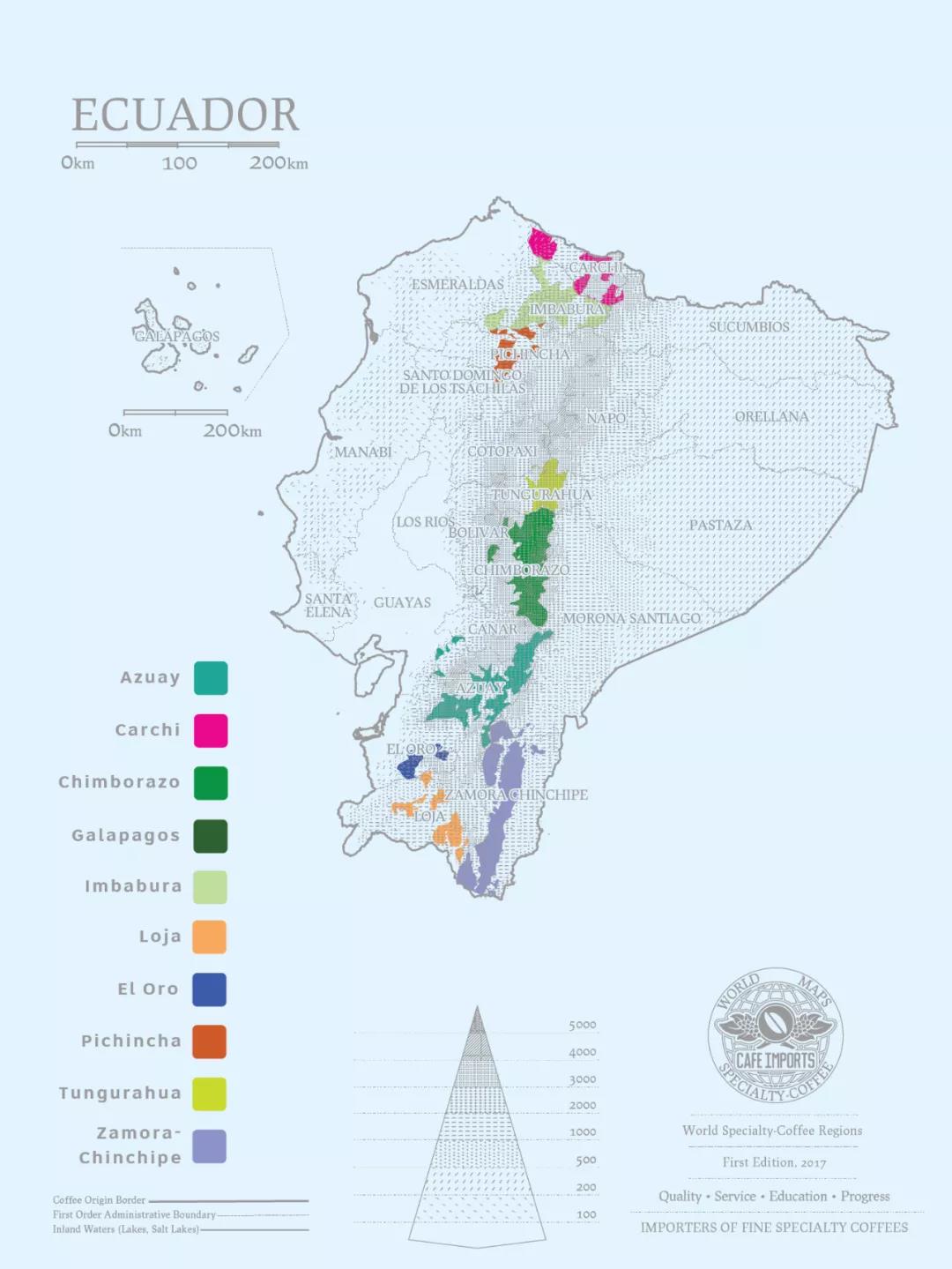
Regarding major producing regions, Loja is located in the southern part of the country, close to the Andes Mountains, and is one of the highest-altitude coffee-growing areas in the world, with elevations ranging from 1,450 to 2,000 meters. It is also an important export hub. The region primarily grows Typica, mostly using washed processing and shade-grown cultivation. The high altitude and variable climate contribute to a rich flavor potential.
The Galápagos Islands are renowned for organic cultivation. Located about 1,000 kilometers from mainland Ecuador and at the convergence of three major ocean currents, this archipelago has a unique ecosystem. Coffee grown here is produced without the use of chemical fertilizers or pesticides, making the beans naturally organic and considered high-quality specialty coffee. Its flavor is mild, often featuring delicate floral, fruity, and caramel notes, and is beloved by certain consumer groups.
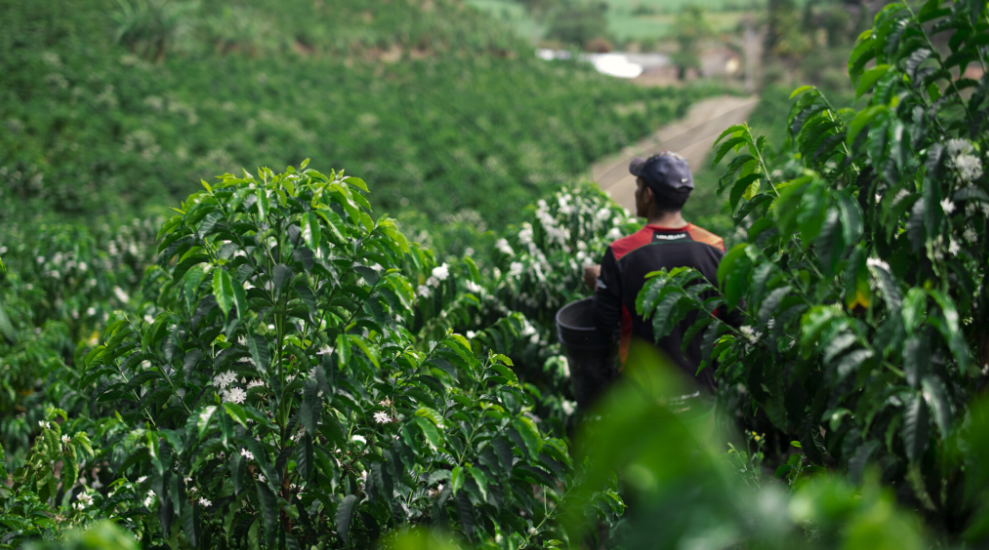
Other regions, such as the Intag Valley (located on the coastal area of Manabí Province and the western foothills of the Andes), Pichincha Province (mainly cultivating Robusta), and areas around Guayaquil, each have their own distinct characteristics. The Arabica coffee produced in the Intag Valley is known for its balanced acidity, sweetness, and bitterness, making it a sought-after choice for many specialty coffee enthusiasts.
The flavor profile of Ecuadorian coffee typically showcases juicy and complex characteristics, with a notable jammy mouthfeel and medium acidity, accompanied by aromas of yellow fruits such as peach and citrus, and a prominent sweetness. This is directly related to its high-altitude cultivation, as coffee cherries mature more slowly in high-altitude environments, accumulating more sugars and thereby influencing the depth and layering of the final flavor.
In terms of varieties, Ecuador mainly grows Bourbon, a classic Arabica variety derived from a mutation of Typica. It features rounder beans, a rich and stable flavor profile, and is a frequent winner in many specialty coffee competitions. Although there are also specialty varieties such as Galápagos and Sigant, Bourbon remains the mainstream.
In processing methods, Ecuador predominantly uses washed processing, which involves removing the pulp, fermenting, washing, and drying to produce clean, bright, and layered coffee flavors. The basic process is: bean selection → depulping → fermentation (18–36 hours) → washing → drying (1–3 weeks) → hulling. Each step must be strictly controlled to ensure quality.
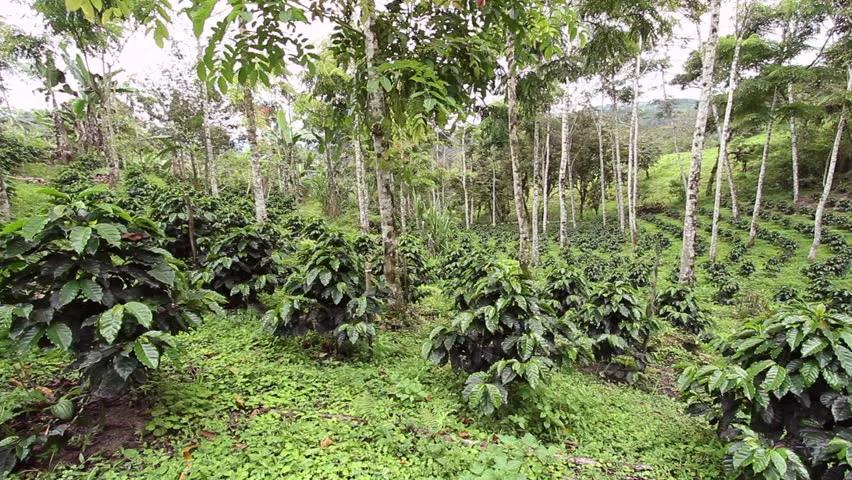
For roasting, since Ecuadorian coffee is mostly high-altitude hard bean with high bean density and ample moisture content, a medium-light roast is recommended to preserve its bright acidity and sweetness. Hard beans absorb heat well but also require stronger heat penetration due to their density, so it is advised to use higher flame intensity and a higher drop temperature to facilitate full flavor release.
For brewing recommendations, we suggest using the V60 cone dripper. Its wide opening and spiral ribs help expel air and enhance extraction efficiency. Recommended water temperature is 90–91°C, grind size similar to fine sugar (approximately 80% passing through a #20 mesh sieve), coffee-to-water ratio of 1:15, with 15 grams of coffee. The brewing method recommends a three-pour technique: start with a 30-gram bloom for 30 seconds, then pour in a circular motion with a slow stream until reaching 125 grams and pause; once the water level drops, continue pouring slowly until reaching 225 grams total. Total brew time should be controlled between 2 minutes and 2 minutes 10 seconds to fully highlight its fruity and sweet layered profiles.
The above content is compiled by CoffeeHunters, a coffee news website.


