







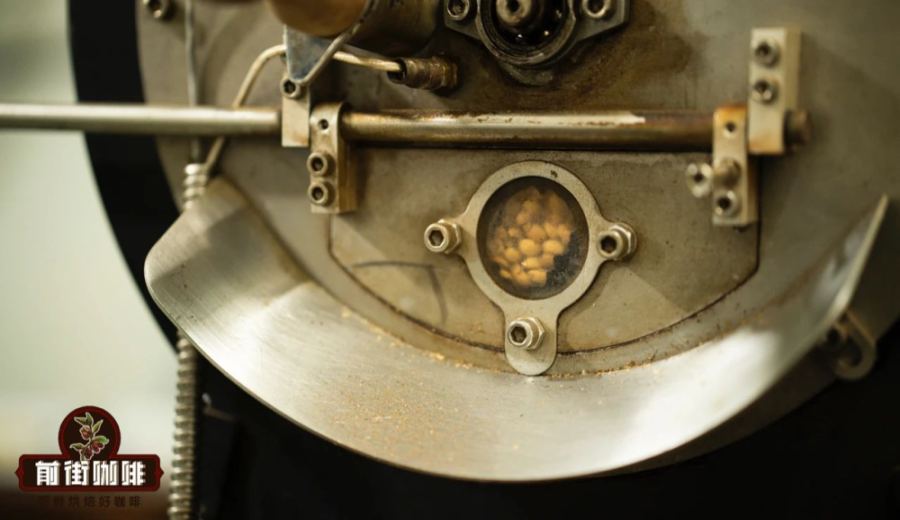
Introduction:When brewing Americano or latte at home, selecting coffee beans with the right roast level is key. Dark roast and light roast not only affect flavor expression, but also directly determine the coffee’s taste and suitability for different occasions. This article delves into the flavor characteristics of dark roast beans and recommends several practical and forgiving espresso blends to help you easily find the right beans—whether you're making a rich latte or a refreshing Americano—to elevate your home coffee experience.
In the coffee production process, roasting is the step that most shapes the final flavor. Even when the bean variety and origin are already determined, different roast levels and techniques can still greatly alter the aroma, acid-sweet balance, and mouthfeel. For coffee enthusiasts brewing Americano or latte at home, choosing between blends or single origins, light or dark roast, is often a big dilemma. Understanding how roasting affects flavor is the first step in choosing the right beans.
Dark roast coffee beans typically feature intense caramel, chocolate, and nutty notes, with lower acidity and a pronounced balance of bitterness and sweetness. They’re ideal for creating full-bodied lattes and can also add depth to Americanos. In contrast, light roasts preserve more of the original flavors and fruit acids, making them suitable for those seeking a fresher taste. If you're just starting to explore home brewing, it’s recommended to begin with dark roast blends that offer high forgiveness and stable flavor.
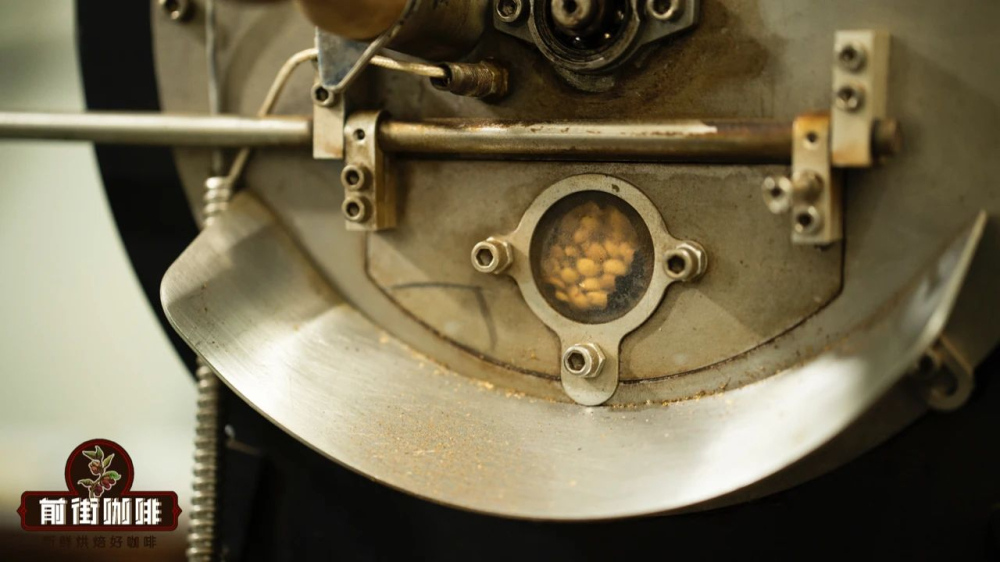
For Americano lovers who prefer a rich and bold taste, medium-dark roast blends are recommended. These beans usually combine beans from different regions and are carefully blended to deliver warm notes like cocoa, nuts, and caramel after extraction. Such a flavor profile is not only suitable for drinking straight Americano but also serves as a solid base for lattes, providing rich mouthfeel support. Additionally, these blends are relatively forgiving due to their balanced flavor, making them great for beginners.
If you lean toward coffee with natural sweetness and floral-fruit aromas, consider blends that mix beans from multiple origins and incorporate various processing methods. These beans often use refined processes such as honey processing, washed, or sun-dried, bringing out bright notes like citrus, berries, and roses. Americanos made from these beans taste sweet like fruit gummies, with soft and layered acidity—perfect for those who enjoy a refreshing profile.
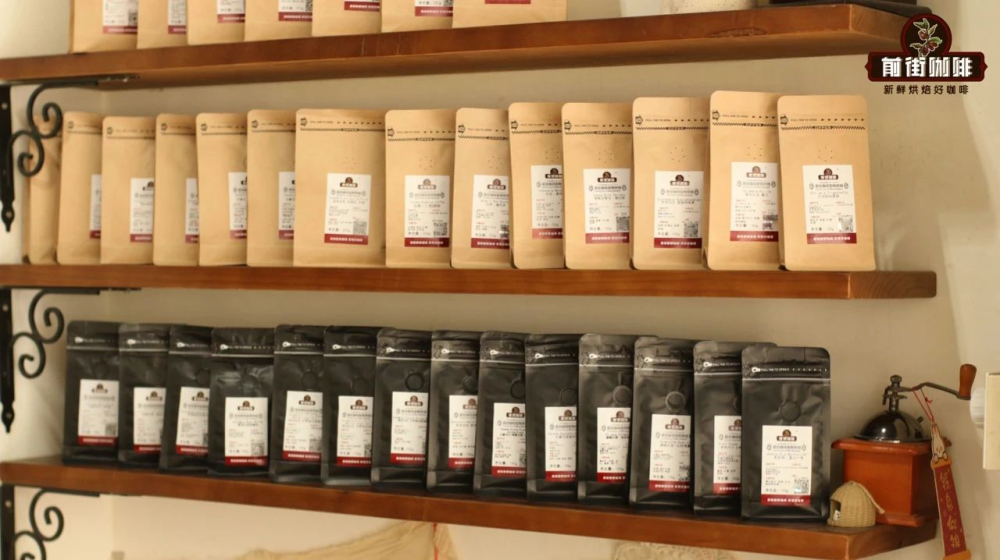
When making lattes, it’s especially important to choose beans with rich crema and a full-bodied mouthfeel. A medium-to-dark roast blend often showcases aromas like cream, nuts, and caramel, along with moderate sweetness and intensity, helping it blend well with milk to create a smooth and aromatic drink. Moreover, these beans typically produce beautiful coffee crema, which enhances latte art performance, making the latte not only delicious but also visually more appealing.
If you particularly enjoy the flavor characteristics of a single origin, you can opt for beans from renowned regions, such as specific estates in Brazil or Indonesia. These beans are not only suitable for espresso machines but also work well with various home brewing devices like moka pots and drip machines. They often carry warm aromas like roasted peanuts, nuts, chocolate, and toasted bread, with rich flavor layers and a well-balanced acid-bitter profile. They’re ideal for those who dislike overly intense tastes and are often a daily favorite among many coffee enthusiasts.
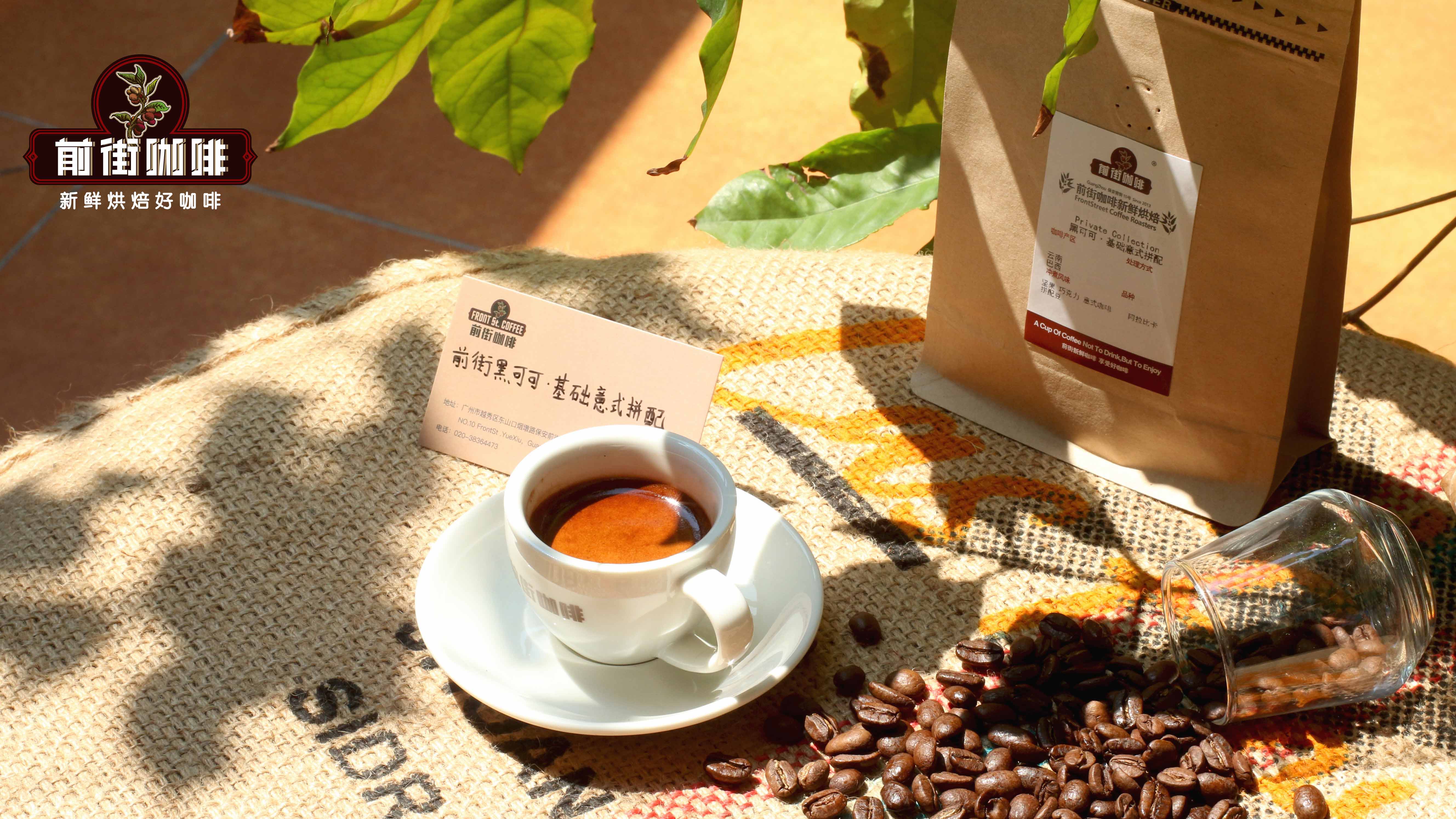
Whether you’re just starting out or already have some experience, choosing beans with the right roast level and flavor profile is key to improving your home coffee quality. It’s recommended to try blends with different roast levels based on your preferred taste, observe the results after brewing, and align with your personal preferences to gradually find your ideal coffee combination. Remember, the charm of coffee lies in its diversity and exploration—the best choice is the one that suits you.
The above content is compiled by CoffeeHunters, a coffee news website.


