







Introduction:How should coffee beans suitable for pour over be stored to preserve their optimal flavor? This article delves into the three key factors affecting coffee freshness—light, temperature, and oxygen—and compares the practical differences between one-way degassing valves and vacuum-sealed canisters. It also explains the distinction between best-before and shelf life. Additionally, we’ve handpicked 12 popular single-origin beans commonly used for pour over, ranging from entry-level daily drinkers to advanced options, analyzing their flavor profiles to help you choose the beans that best suit your taste preferences.
The flavor performance of pour over coffee is inseparable from how the beans are stored. Whether it’s green beans or roasted coffee beans, environmental factors such as light, temperature, and oxygen directly impact their freshness and the final extraction flavor. Proper storage not only extends the beans’ optimal flavor window but also ensures a stable and richly layered cup every time you brew.
First, coffee bean storage can be divided into two main categories: unroasted green beans and roasted beans. Green beans require special attention to humidity and temperature during storage to prevent mold or pest infestation, while roasted beans must be protected from oxidation, moisture, and light—key culprits in accelerating flavor loss. Therefore, understanding the “killers” of coffee freshness is essential.
The three main enemies of coffee bean freshness include:Light,High temperature, andOxygen. Light accelerates the breakdown of internal compounds in the beans, high temperature promotes oxidation, and oxygen is the primary cause of aroma evaporation and oil degradation. Therefore, choosing the right packaging and storage method is key to maintaining coffee flavor.
One common and recommended storage tool is asealed bag with a one-way degassing valve. This type of packaging is typically used for freshly roasted coffee beans. Its design allows gases released from the beans (mainly carbon dioxide) to escape through the one-way valve when internal pressure builds up, while preventing external air and moisture from entering. If you don’t have a specialized storage canister, simply keeping the original packaging properly sealed is a simple yet effective storage method.
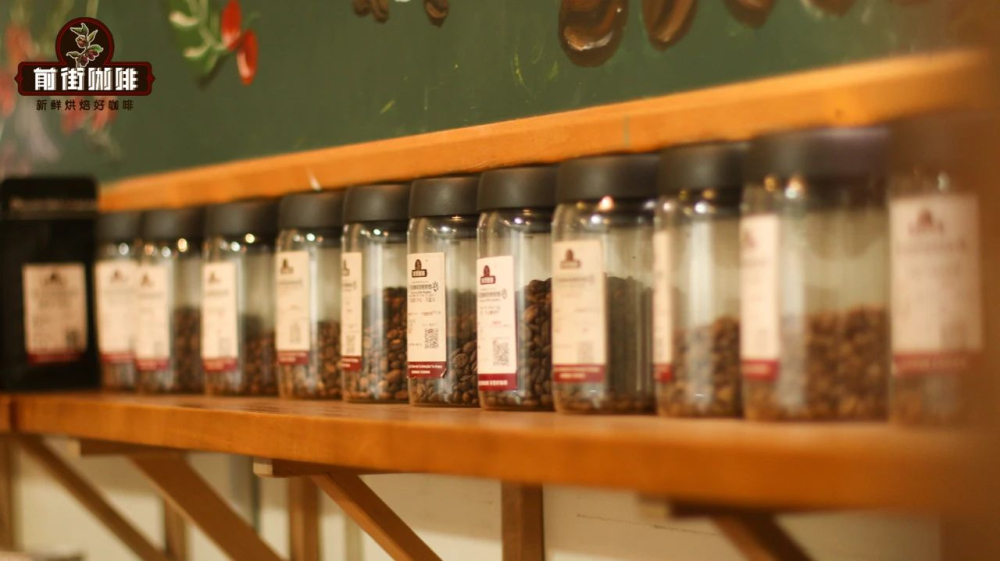
A more advanced option is avacuum-sealed canister. These canisters usually come with a release button that allows you to remove oxygen from the container after sealing, creating a low-oxygen or near-vacuum environment. Although the beans continue to release carbon dioxide inside the canister, this pressure difference causes the carbon dioxide to naturally envelop the beans, further slowing down aroma loss and oxidation, thereby helping to prolong the period of stable flavor.
When it comes to shelf life, it’s important to distinguish between “best-before period” and “expiration date.” The best-before period refers to the time when the coffee beans are at their peak flavor, which generally falls withinthe 4th to 30th day after roasting. During this window, the coffee’s aroma, acidity, and sweetness are usually most balanced and complex. After 30 days, although the beans are still drinkable, the aroma may noticeably weaken, and the overall profile becomes more subdued. As for the expiration date, if stored properly, roasted coffee beans can typically last up toone year, though their flavor quality will inevitably decline.
For those who are new to pour over, it’s recommended to start with some “everyday-drinker” beans that offer stable flavors and are easy to extract with balanced profiles. For example, Mandheling from Indonesia is widely loved for its full body and unique spicy notes; Ethiopian Yirgacheffe, on the other hand, shines with bright lemony acidity and delicate floral aromas, making it ideal for experiencing the fruit acidity of coffee. Brazilian Cerrado offers mild creaminess and nutty aromas, suiting those who prefer low-acidity and smooth cups; Colombian Huila displays rich dark chocolate and caramel tones, perfect for those who enjoy bold flavors. In addition, Yunnan small beans and Costa Rica Tarrazú, with their soft acidity and nutty-caramel notes, are also great choices for beginners.
If you’re already familiar with basic pour over techniques and want to explore more diverse coffee flavors, consider trying a few advanced single-origin beans with more distinctive profiles. For instance, Ding Ding is known for its vibrant floral notes, appealing to those who enjoy fresh fruity characteristics; Huakui boasts a rich creamy body with a sweet strawberry finish that’s very likable; Xiao Fanqie (Little Tomato) has an intense juice-like character with bright acidity and sweetness; Strawberry Candy delivers a unique soft candy fruitiness; Xizhua blends the tropical notes of passionfruit and grape with clear layering; Xiao Lan Shan Tian Tang Niao (Little Blue Mountain Bird of Paradise) presents a complex balance of sweet, sour, and bitter, ideal for advanced enthusiasts to explore deeper.
The above content is compiled by CoffeeHunters, a coffee news website.


