








Introduction:With its smooth texture and low acidity, cold brew coffee has become the go-to summer choice for many coffee enthusiasts. This article delves into the flavor formation principles of cold brew, introduces three specialty coffee beans ideal for cold brewing, and provides detailed practical parameters for making it — from grind size and coffee-to-water ratio to refrigeration time. It also explores its advantages in caffeine release, acidity level, and ease of use, helping you easily brew a clean-tasting cold brew at home.
Cold brew coffee has gained widespread popularity in recent years, not only because it’s refreshingly smooth when served chilled, but also due to its unique extraction method that delivers a flavor profile distinctly different from hot brew. Compared to high-temperature, fast extraction, cold brew involves steeping coffee grounds in cold or room-temperature water and refrigerating them for up to 8 to 12 hours, allowing time to extract the flavors. This process suppresses the release of stimulating compounds such as tannic acid under low temperatures, significantly reducing astringency and bitterness, while primarily extracting volatile small molecules like fruit acids and floral notes. The result is a refreshing and layered coffee experience.

Many people love cold brew not just for its pleasantly cool drinking temperature, but also for its rich and mellow mouthfeel, which more faithfully presents the regional characteristics and processing methods of the coffee beans. Compared to traditional hot water brewing, cold brew uses cold water for prolonged steeping, making the extraction process gentler. Studies show that cold brew coffee contains about 67% less acidic substances than hot brew, which is also the main reason why it’s gentler on the stomach and more suitable for sensitive individuals.
The combination of low temperature and long extraction time allows only small-molecule flavor compounds to dissolve into the water — such as fruit acids, floral notes, and some caramel sweetness — while larger molecules commonly found in hot brew, like smoky, charred, or dark roast aftertastes, are less likely to be released. For this reason, even when using the same coffee beans, cold brew often results in a cleaner and more balanced cup, with a clear yet non-harsh flavor profile.

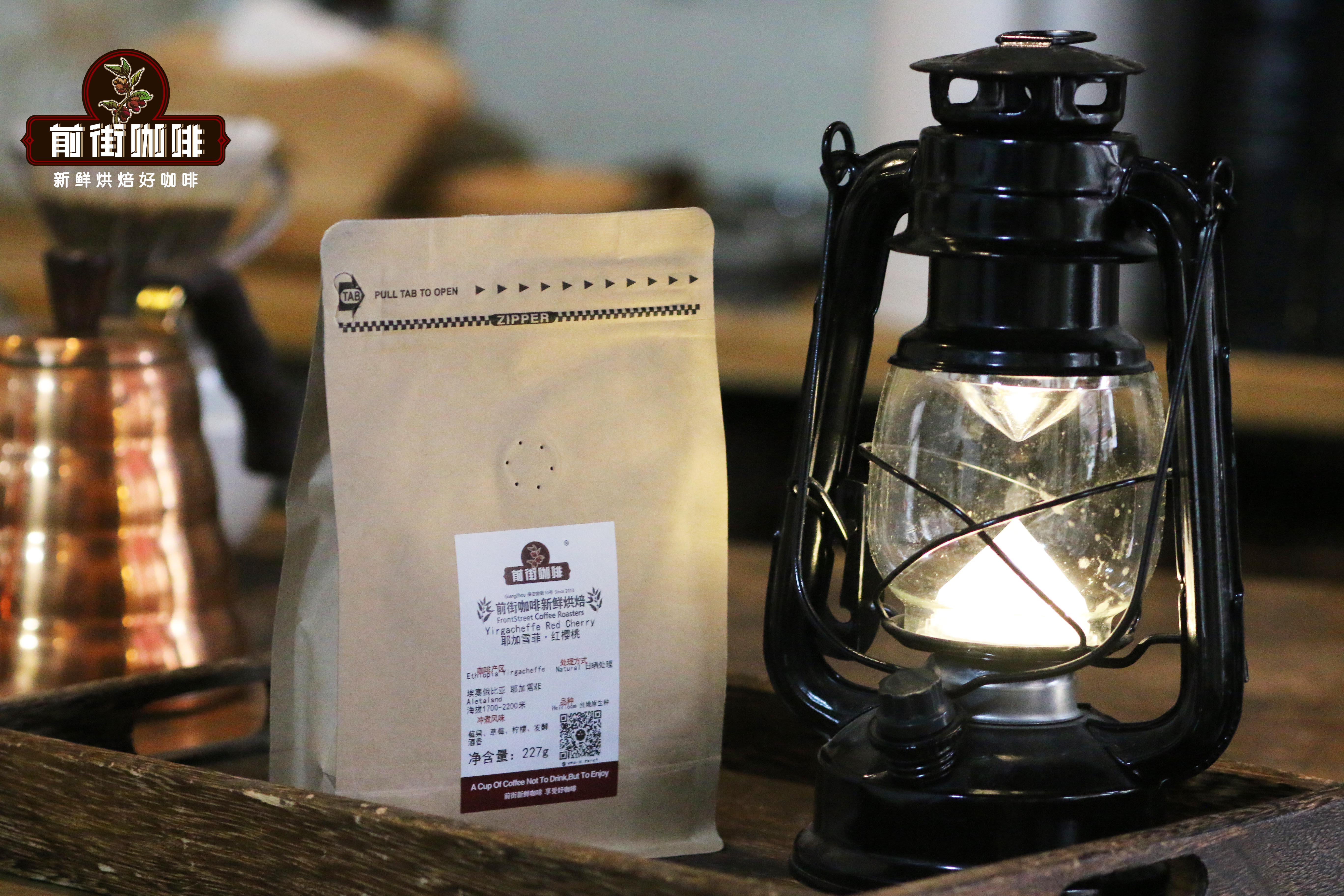
If you’d like to try cold brew, we recommend the following three single-origin beans from different regions, each with its own unique character: First is the red cherry natural from Yirgacheffe, Ethiopia, grown at an altitude of 2300 meters, using local heirloom varieties and the natural processing method. It presents bright notes of berries, lemon, strawberry, along with a distinctive fermented wine aroma. The second is the Geisha Catuai Caturra hybrid (70% Geisha, 30% Catuai Caturra) from Boquete, Panama, grown at 1600 meters altitude, processed via washed method, showcasing delicate floral, citrus, nutty, and honey-like tea notes. The third is the Sidra from Finca La Línea, Huila, Colombia, grown at 1700 meters altitude, employing a double anaerobic natural process that unlocks layers of passion fruit, grape, dried fruit, apricot, and chocolate.
The key to making a great cup of cold brew coffee starts with selecting freshly roasted beans. It’s recommended to choose whole beans roasted within five days and grind them just before brewing to preserve maximum aroma and flavor. Adjust the grind size to medium-fine, roughly the size of white sugar granules. This grind size ensures sufficient extraction surface area without overly clogging the filter. Mix the ground coffee with water at a ratio of 1:10 to 1:13 (for example, 100 grams of coffee to 1000–1300 milliliters of water), place it in a clean, fully sealable container, stir well, and then refrigerate for 8 to 12 hours.
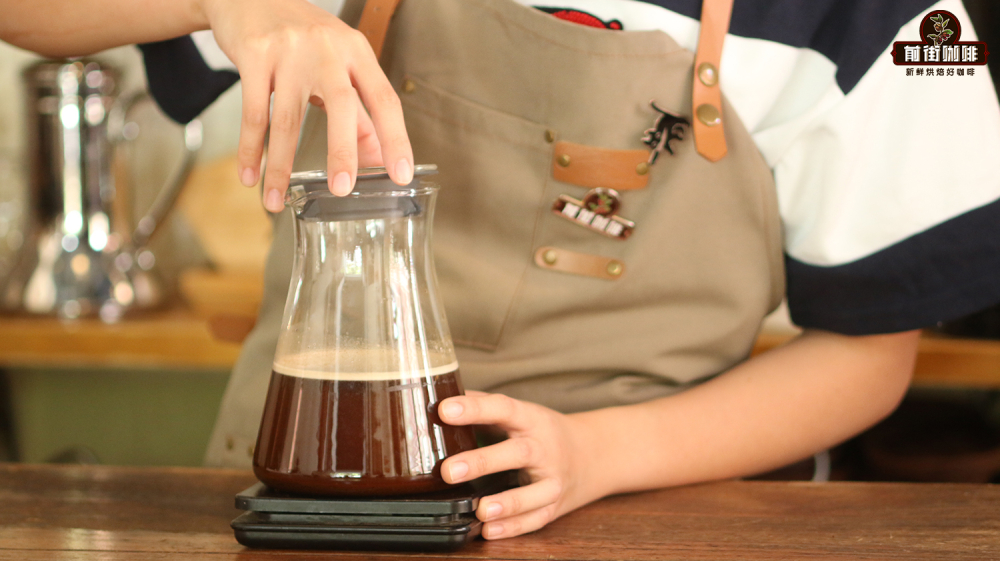
After extraction, thoroughly filter out the coffee grounds using tools such as filter paper, cloth, or a fine mesh sieve. The resulting liquid is your finished cold brew coffee. To maintain optimal flavor, it’s recommended to seal it immediately after filtering and consume within 72 hours. If longer storage is needed, do not exceed 5 days. The process doesn’t require complex equipment — just a cold brew maker or a regular sealed container and a refrigerator will suffice. For beginners or those seeking convenience, it’s an extremely user-friendly brewing method. Moreover, due to the low-temperature extraction, it has a high margin for error. Even if you adjust the parameters, serious mistakes are unlikely, making it suitable for coffee beans of various flavor profiles and offering diverse drinking possibilities.
Beyond its flavor advantages, cold brew coffee also demonstrates practical value in several ways. According to data, due to the continuous release of caffeine during the prolonged steeping process, cold brew generally contains more caffeine than hot brew made with the same amount of coffee grounds, providing a more noticeable energizing effect. In addition, cold brew has a relatively higher pH value (i.e., weaker acidity). Compared to hot brew, which tends to have higher titratable acid content and lower pH, cold brew is more stomach-friendly for those who suffer from acid reflux or heartburn, reducing the risk of discomfort after consumption. Lastly, the cold brew process is simple — no need for professional pour over equipment or espresso machines, nor for precise control of water temperature, extraction time, or other complex parameters. As long as you master the basic coffee-to-water ratio and refrigeration time, you can easily enjoy a clean-flavored, smooth cold brew at home. It’s arguably the best starting point for homemade coffee beginners.
The above content is compiled by CoffeeHunters, a coffee news website.


