







Introduction:Huangguan and Geisha are often mistakenly thought to be the same coffee, with some even claiming that "Huangguan is the top-tier Geisha." In reality, the two differ significantly in terms of variety origin, regional distribution, naming conventions, and flavor profiles. This article delves into the historical background and grading systems of both, comparing representative products such as the Emerald Estate Red Label and Gesha Village Gold Label, to help you comprehensively understand the distinctions and allure of these two popular specialty coffee beans—from flavor profiles to roasting applications.
Huangguan and Geisha, two specialty coffee beans that have garnered much attention in recent years, are often lumped together, with some even spreading the notion that "Huangguan is the top-tier Geisha." However, a deeper look into their origins, naming logic, and flavor characteristics makes it easy to tell them apart. This article will clarify this often-confused pair of coffee beans for coffee enthusiasts, covering everything from variety origin and regional distribution to grading systems and actual flavor profiles.
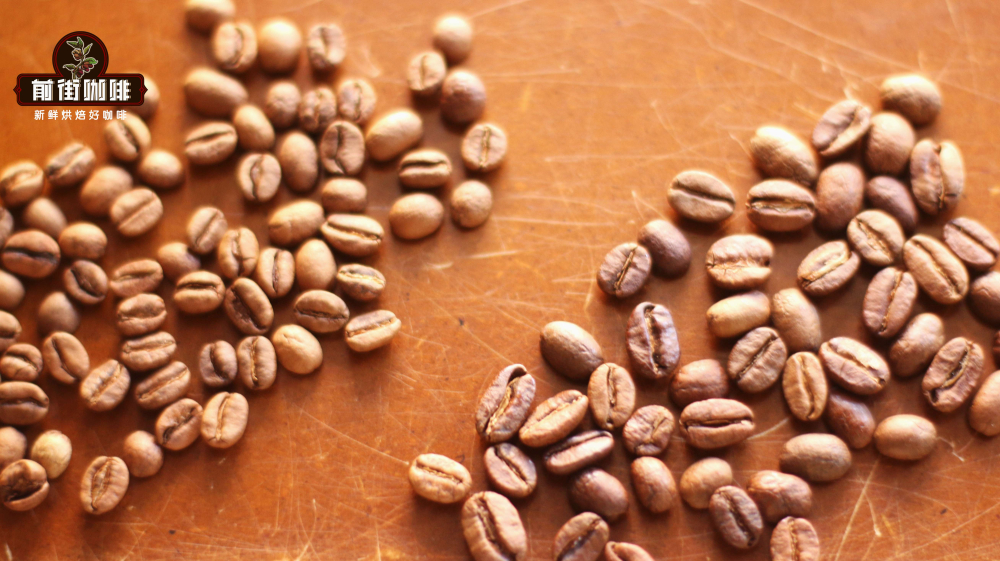
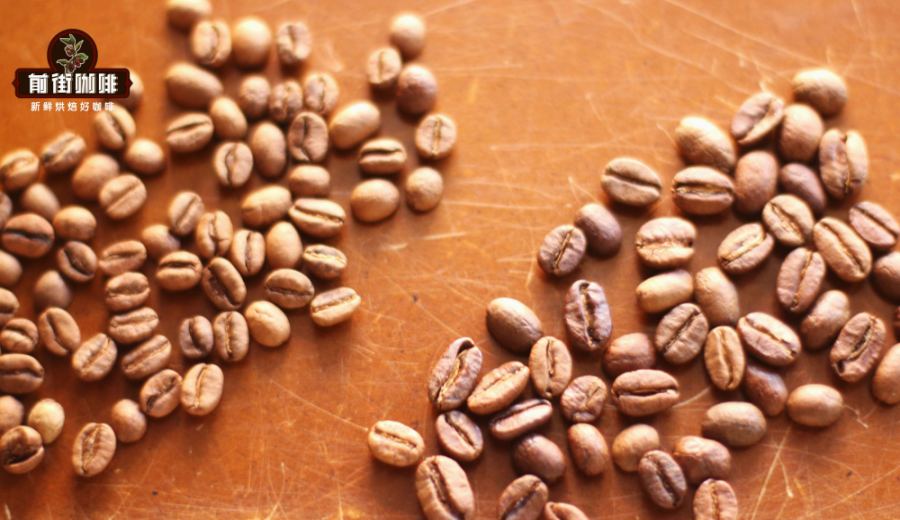
(Left: Sidamo Huangguan Coffee, Right: Panamanian Geisha Coffee)
Many people mistakenly assume that Huangguan is a type of Geisha, and there was even a time when the claim that "Huangguan is the top-tier Geisha" circulated online. Actually, this misconception is not unrelated to another Chinese name for Geisha—"Geisha" (pronounced as 艺伎, or "geisha" in Japanese). As early as 1931, the Geisha variety was discovered in the forests of Ethiopia but didn’t receive much attention at the time. It wasn’t until 2004, when Panama’s Emerald Estate entered a Geisha variety (sourced from Costa Rica) into the Best of Panama (BOP) competition and won the championship, that this coffee began to emerge and gradually became a consistent winner in competitions.
Because "Geisha" shares the same pronunciation as the Japanese word for "geisha" (藝伎), the Taiwanese industry directly adopted the English translation as "艺伎." Later, however, it was discovered that in Ethiopia, Geisha actually refers to something else—it is both a place name and a variety name. Therefore, in 2006, when Mr. Yuan from Cafelomo Coffee first introduced Panamanian Geisha to mainland China, he chose the more elegantly Eastern name "瑰夏" (Guīxià, or "Geisha").
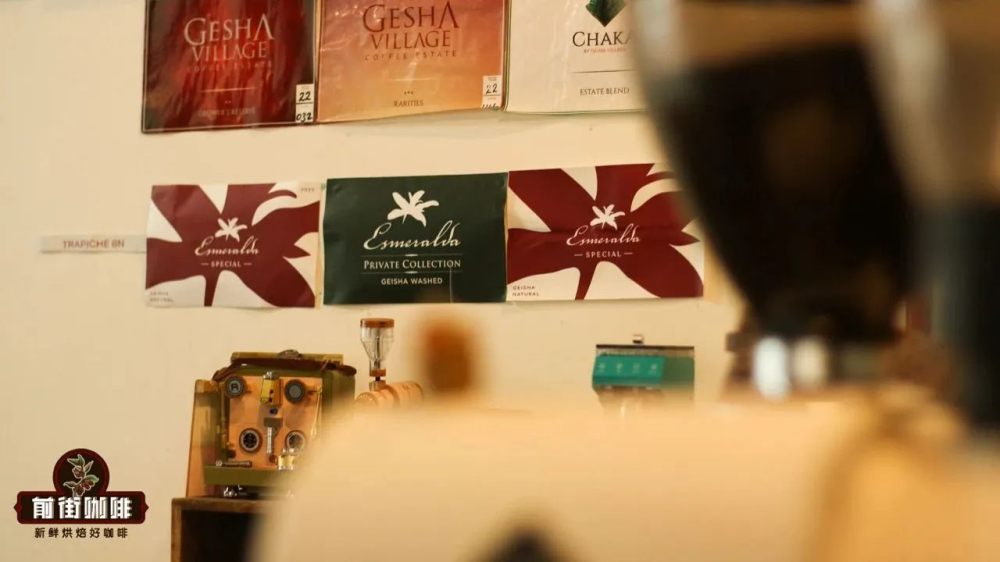
When it comes to top-tier Geisha, many coffee enthusiasts immediately think of Emerald Estate’s Red Label Geisha and Gesha Village’s Gold Label Geisha. These products with the word "Label" are names designed by each estate to highlight their high-quality grades. For example, Emerald Estate’s "Red Label," officially named "Esmeralda Special," meaning "Emerald Special Selection," must achieve a cupping score of 91 or above, and each batch of beans comes with detailed information about the producing region and processing methods. The "Red" in "Red Label" comes from the background color of its packaging trademark, making it easy for consumers to recognize. Similarly, Gesha Village’s "Gold Label," whose original English name is "Rarities," meaning "rare treasures," also represents the estate’s top-tier Geisha coffee, accounting for only about 10% of its total production.
Although terms like "Red Label" and "Gold Label" are easy to remember and understand in the Chinese market, internationally, these are merely marketing names—the original English names often do not directly indicate the grade. Moreover, since different estates may use the same color scheme for grade indicators, such as "Red Label" or "Green Label," consumers are advised to inquire clearly about the specific origin and estate when ordering or purchasing to avoid confusion.
Now let’s take a look at Huangguan. This once wildly popular coffee originated from the Buku Abel processing station in the Hambella area of the Guji zone in Ethiopia’s Sidamo region in 2017. That year, a natural-processed heirloom coffee bean won the championship in the TOH (Tiny Owl Coffee’s Hambella) green coffee competition, stunning judges with its intense strawberry flavors, high sweetness, and silky creamy texture. This bean is what later became widely known as Huangguan.
After winning the championship, this lot of green beans was introduced to the Chinese market. Subsequently, during the World Brewers Cup, Chinese runner-up Li Jianfei used Huangguan beans to secure second place, further boosting its fame. With its great cost-performance ratio and distinctive flavors, Huangguan quickly became a market favorite, with new harvest versions released annually—each with a unique number, such as Huangguan 8.0, Huangguan 7.0, and so on.
So, what do numbers like "Huangguan 8.0" represent? Actually, this is related to the expansion of Huangguan’s producing regions and increased processing volume. Originally, "Huangguan" coffee referred to natural-processed Grade G1 beans from the Buku Abel processing station in the Hambella region. However, as demand surged, DW Company established multiple processing stations in the Hambella area, including in villages such as Buku Saysay, Haro Soresa, Tirtiro Goye, and Seke Bokosa—all located within the core-producing town of Dimtu. Starting in 2018, although still from the same region and variety, beans from different processing stations began to show slight differences in flavor, with less body and aftertaste compared to the original Huangguan. To distinguish between different vintages and batches, domestic green bean traders introduced an X.0 version numbering system based on 2017—for example, 2018 became "Huangguan 2.0," 2019 became "Huangguan 3.0 and 3.1," and so on, up to the latest "Huangguan 8.0."
As for why some people mistakenly think Huangguan is the top-tier Geisha? This actually has to do with naming culture. In China, Geisha was initially called "艺伎" (Geisha), and in Japanese culture, "Huangguan" refers to the top-ranking geisha, symbolizing the most outstanding and most eye-catching existence. Therefore, when this coffee—which aimed to rival Geisha and become the market focus—was named "Huangguan," it was meant to signify that it would become the top star of the coffee world. However, as the story spread online, this symbolism was gradually misunderstood as "Huangguan is the top-tier Geisha," turning into a beautiful misunderstanding.
So, how do Huangguan and Geisha actually differ in flavor? Huangguan’s flavor profile is dominated by tropical fruits such as strawberries, mangoes, jackfruits, citrus, and blueberries, accompanied by notable sweetness and a creamy texture. Take the new-season Huangguan 8.0 as an example: its dry aroma boasts intense guava, jackfruit, apricot, and citrus notes, while the cup offers complex fruit acids like dried mango, orange, and passion fruit. The mouthfeel is round and juicy, and as the temperature cools slightly, the sweetness of peaches and the bright acidity of berries become more apparent. The finish is smooth and mellow like black tea, with distinct layers.
In contrast, Geisha exhibits a completely different flavor personality. Rather than being as intense as traditional black coffee, it is more like a refreshing floral-fruit tea. Geisha often carries notes of jasmine, lemongrass, honey, peaches, and white florals, with bright and delicate acidity, balanced sweetness, and a long aftertaste. Geisha from different regions also has its own characteristics, but it is generally known for being delicate, rich, and layered, earning its reputation as the “ceiling” of coffee.
In summary, although both Huangguan and Geisha are representatives of specialty coffee, they differ markedly in terms of variety origin, growing environment, processing methods, and flavor profiles. If you’re new to coffee, it’s recommended to start with Panamanian Geisha to familiarize yourself with its classic fruity-floral character. If you prefer intense tropical fruit flavors and a rich mouthfeel, try the latest-season Huangguan to experience its uniquely charming appeal.
The above content is compiled by CoffeeHunters, a coffee news website.


