







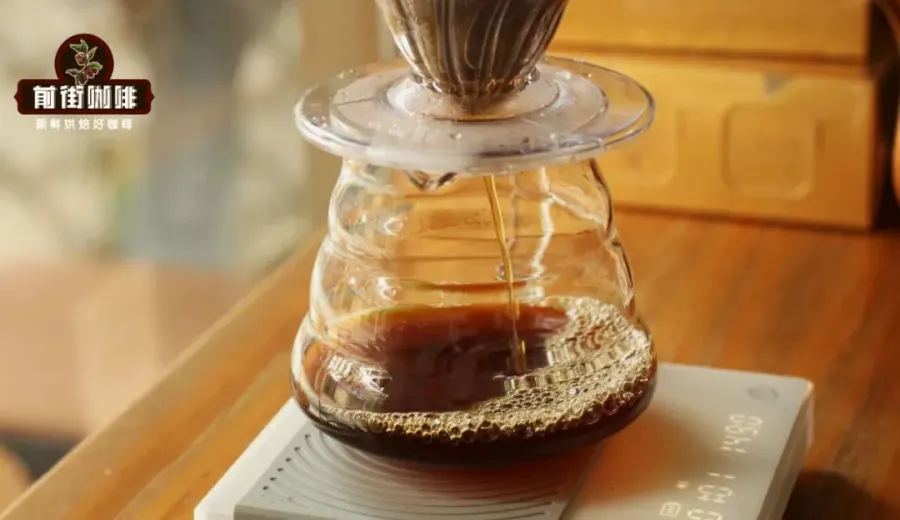
Introduction:Do you often find that even when following the recommended parameters from well-known cafés at home, your pour over coffee still turns out inconsistent? In fact, the issue often lies in your pouring technique. The position, path, height, and flow rate of the water all significantly affect the extraction uniformity and the final flavor profile of your coffee. This article will take an in-depth look at these four key elements, offering practical advice to help you master your pour over skills and consistently brew balanced, delicious coffee.
Many home brewers who try pour over coffee may still encounter unstable flavor results even when using recommended parameters from popular cafés—even the same settings can yield different outcomes each time. The root cause is likely hidden in the details of your pouring technique—such as the position, path, height, and flow rate of the water—all of which directly impact the extraction uniformity and flavor release of the coffee grounds.
According to experimental research by the SCA (Specialty Coffee Association), the more stable the water flow during pouring, the higher the extraction uniformity of the coffee, which in turn affects overall flavor performance. Therefore, if you want to consistently brew pour over coffee with outstanding flavor and balanced mouthfeel, in addition to accurately controlling basic parameters such as coffee-to-water ratio, water temperature, and grind size, we must also pay attention to the technique of pouring.
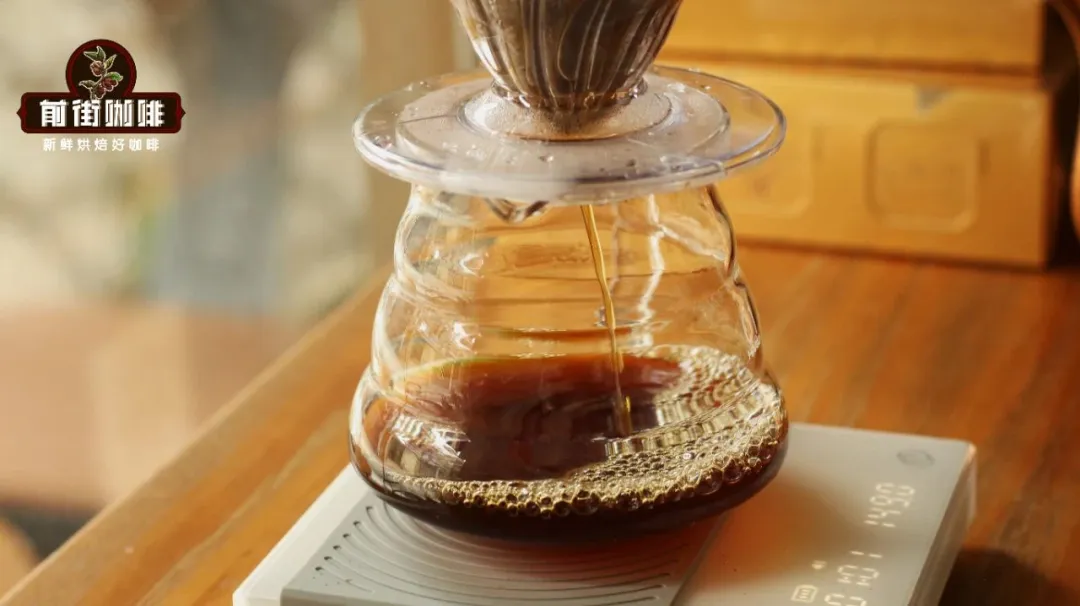
For this guide, we’re using a beginner-friendly Kenyan double-washed coffee bean—named “Little Tomato”—which features distinct flavors of cherry tomato, dark plum, and Asian pear, along with bright acidity and a juicy mouthfeel. It’s especially suited for coffee lovers who enjoy fruity acidity and layered profiles. This bean is widely available and makes an excellent standard choice for practicing pour over techniques.
Key Point 1: Pouring Position – Controlling Coffee Ground Contact and Avoiding Channeling
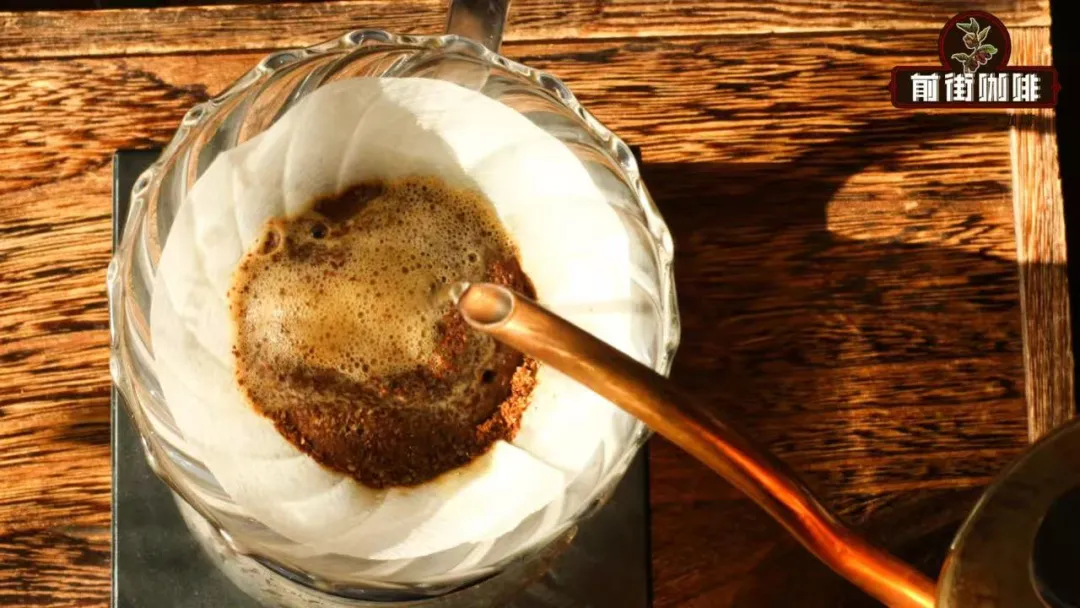
For beginners, the first thing to pay attention to is where the water lands—that is, the point where the water hits the coffee grounds. Taking the common V60 cone filter as an example, its internal coffee bed is shaped like an inverted cone: the coffee layer is thicker near the center and thinner towards the edges.
This means that if you consistently pour water in one spot or only in the center, the outer coffee grounds may not receive enough water, leading to uneven extraction. Additionally, improper pouring positions can cause the water to flow directly down through gaps formed by the filter’s “ribs,” creating what’s known as “channeling,” where some coffee grounds are never effectively extracted.
Therefore, it’s recommended to keep the water flow within about two-thirds of the entire coffee bed. This ensures the water spreads evenly across the coffee layer, improving overall extraction efficiency and avoiding over-extraction or under-extraction in localized areas. When starting out, you might aim to pour within a circular area about half the radius of the center as your initial target zone.

Key Point 2: Pouring Path – Promoting Even Agitation Through Circular Pouring
Once you’ve got the pouring position under control, the next step is to get the coffee grounds “moving” within the filter to enhance extraction efficiency. Static, fixed-point pouring tends to let the water contact only certain parts of the coffee bed, leaving surrounding areas under-extracted and resulting in a dull or thin overall flavor.
To more efficiently release flavor compounds from the coffee grounds into the water, it’s recommended to pour in slow circles, starting from the center. This allows the water flow to create gentle turbulence, increasing the contact surface and relative movement between coffee and water—boosting dissolution efficiency, much like stirring helps dissolve powdered medicine faster.
Of course, circular pouring isn’t the only method. Fixed-point pouring also has its uses, such as when pursuing a minimalistic flavor profile or consistent brewing. The key is to adjust your pouring style flexibly based on the extraction outcome you desire, rather than sticking rigidly to one technique.

Key Point 3: Pouring Height – Impacting Water Flow Intensity and Other Factors
In addition to the range and path of pouring, “pouring height” is another major factor influencing extraction. Simply put, the distance between the kettle spout and the coffee surface determines the kinetic energy—and therefore the impact—of the falling water. The higher the pour, the greater the force exerted on the coffee grounds, enhancing agitation and extraction efficiency.
However, high-position pouring also comes with potential downsides. For instance, strong agitation can cause fine particles to be stirred up and accumulate at the bottom of the filter, potentially clogging the paper and extending drip time, which can paradoxically lead to over-extraction. Moreover, a higher pour means more surface area exposed to air, causing the water to lose heat as it falls and affecting the actual brewing temperature.
Some brewing methods, such as the “Matsuya-style,” deliberately increase pouring height to lower water temperature, adapting to heat-sensitive coffee beans. But generally speaking, unless you have specific needs, it’s advisable to keep your pouring height around a fist’s length (approximately 10–15 cm), balancing good agitation with minimizing negative effects.
Additionally, when the pouring height is too high, the water stream may become unstable and break into intermittent drips. This drip-like flow stirs the coffee grounds less effectively, reducing extraction efficiency. Therefore, maintaining a stable pouring height is another crucial skill for beginners to practice.
Key Point 4: Water Flow Rate – Speed Affects Extraction Time and Bed Stability
The final key element is “water flow rate,” or how much water you pour per second. A higher flow rate means more water passes through the coffee bed in a given time, causing the water level in the lower container to rise quickly and shortening the overall extraction time. Conversely, a slower, finer flow extends extraction time, giving flavors more opportunity to develop.
Moreover, a high flow rate can disturb and disperse the coffee bed, compromising its stability and leading to over-extraction in some areas and under-extraction in others. Therefore, it’s recommended to use a medium-to-fine flow rate in the early stages of brewing to stabilize the coffee bed, then adjust the speed as needed based on extraction progress.
Water flow rate also affects the overall distribution of the coffee bed. If the pouring rate is too fast and the volume of water exceeds the drainage rate, the liquid level will rise, potentially floating or shifting the coffee bed and affecting the uniformity of subsequent extraction. Thus, a stable and controllable flow rate is essential for maintaining balanced extraction.

Conclusion: Maintain Stable Pouring to Brew Consistently Great Coffee
In summary, the quality of your pour over extraction depends largely on four key elements: pouring position, path, height, and flow rate. These factors not only act individually but also influence one another. To consistently brew delicious, balanced pour over coffee at home, the key lies in maintaining stability throughout the pouring process—avoiding drastic changes in water flow, fluctuating pouring heights, or irregular pouring paths.
For beginners, it’s recommended to start by fixing one pouring pattern (e.g., circular pouring from the center), while keeping track of your pouring height and speed each time, gradually sensing how different variables affect the coffee’s flavor. With continuous experimentation and adjustment, you’ll gain more confidence in mastering the art of pour over, producing consistent and satisfying results every time.


The above content is compiled by CoffeeHunters, a coffee news website.


