







Introduction:Sumatra Mandheling is renowned for its rich, full-bodied profile and distinctive herbal medicinal notes, but did you know it comes in a variety of flavor variations? From classic Lintong, premium Golden, niche Tiger, to aged versions—each offers layers of unique flavor characteristics. This article delves into the origins of the Mandheling name, the secrets behind Sumatra’s wet hulling and aged wet hulling processes, and explores the distinct personalities of each Mandheling type. It also provides practical pour over recommendations and roasting references to help you master the essence of Sumatran coffee.
Mandheling coffee has long been celebrated for its bold, rich profile and unique herbal and medicinal aromas, making it a classic favorite among many coffee enthusiasts. However, Mandheling from Sumatra actually comes in more than one flavor expression. For example, Lintong Mandheling represents the traditional mainstream flavor, while Tiger Mandheling stands out with its more niche yet bold aroma. Aged Mandheling, after years of maturation, showcases even deeper layers of richness and sweetness. This article will begin with the historical background of Sumatran coffee, recount the origins of the Mandheling name, analyze the key differences between wet hulling and aged wet hulling, and introduce the unique flavors and characteristics of Lintong, Golden, Tiger, Aged, and Wahana Estate Natural Mandheling one by one. It also offers professional roasting advice and practical pour over parameters to help you explore the flavor map of Sumatran coffee more comprehensively.
What leaves the most lasting impression about Sumatran coffee is undoubtedly its bold, full-bodied mouthfeel and unique earthy and herbal aromas. Many people’s first impression of Mandheling might be that medicine-like boldness, especially in the more well-known Golden Mandheling. But beyond this famous product, the Mandheling series introduced by this merchant also includes varieties such as Lintong, Tiger, and Aged Mandheling, each with its own unique flavor direction. Lintong Mandheling can be considered representative of the Mandheling flavor profile, ideal for everyday drinking; Tiger Mandheling, though niche, has particularly standout aromatic expression; and Aged Mandheling is a classic work that, after prolonged storage, allows acidity to transform while sweetness and body reach new heights.
Indonesia, made up of tens of thousands of islands and spanning the equator from Malaysia to Papua New Guinea, is one of the world’s major coffee-producing regions. According to data from the International Coffee Organization, Indonesia produced 12.317 million bags of green beans in 2015, making it Asia’s second-largest producer after Vietnam, with approximately 70% to 80% being Robusta. Robusta is highly resistant to disease and, although less flavorful than Arabica, thrives in Indonesia’s low-altitude regions like Java and Bali due to its adaptability. Ninety percent of Indonesia’s coffee comes from smallholder farms, with many farmers growing coffee trees in their own backyards, and over 11 million people nationwide rely on the coffee industry for their livelihoods.
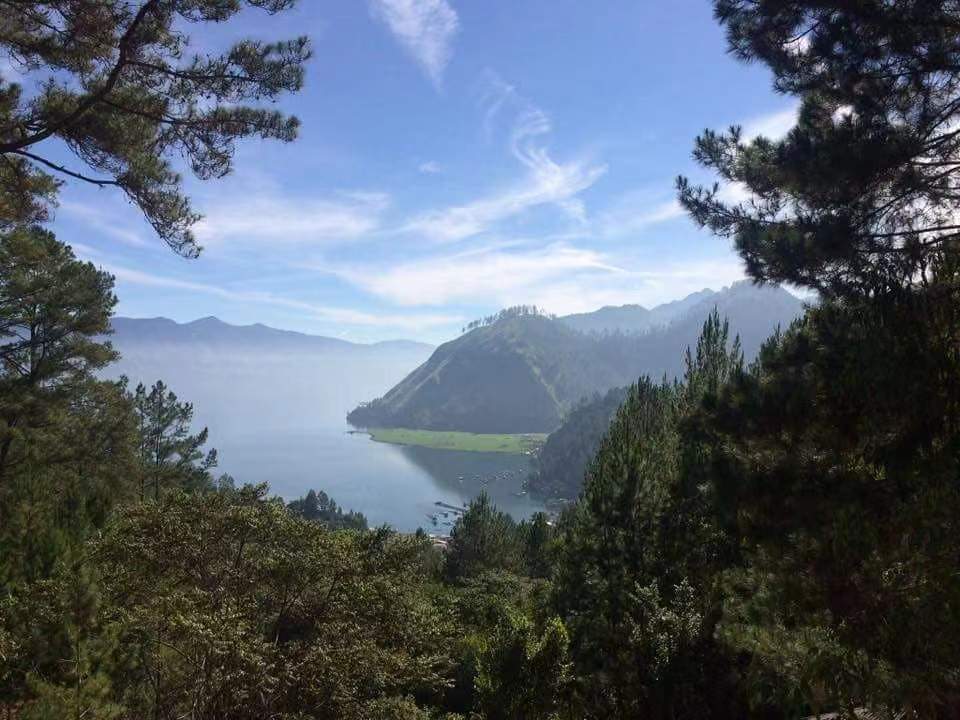
When talking about Mandheling, the commonly mentioned "two lakes and two Mandhelings" refer to Lake Toba in northern Sumatra (including Lintong) and Lake Tawar in Aceh’s Gayo region (including Gayo Mountains). The former is known as the "old Mandheling," an area where coffee cultivation developed earlier; the latter is the "young Mandheling," which started later. Sumatran coffee first entered Starbucks sales in 1972, characterized by intense earthy notes and a heavy mouthfeel, but due to over-roasting, it often carried lingering herbal and charred bitter aftertastes. In recent years, this merchant has also conducted tastings of Sumatran coffee beans, dedicated to exploring the diverse expressions of different regions, varieties, and processing methods, helping coffee lovers build a complete flavor cognition system.
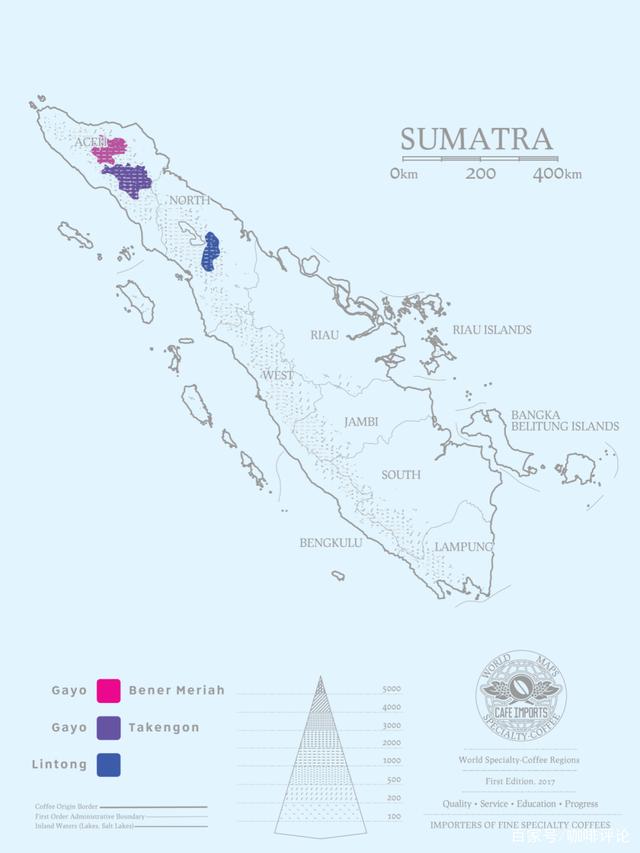
Speaking of Mandheling, one must address the distinction of the "two lakes and two Mandhelings": the Lake Toba region in northern Sumatra (such as Lintong) is the "old Mandheling," where coffee was planted earlier; whereas the Lake Tawar region in Aceh’s Gayo (such as Gayo Mountains) is the "young Mandheling," which developed later. This differentiation also gives rise to flavor variations of Mandheling across different micro-regions.
The history of Sumatran coffee dates back to 1696, when the Dutch introduced coffee to Java and gradually expanded to other parts of Indonesia. Although Java coffee was once the main export, today it is Sumatran Mandheling that truly puts Indonesian coffee on the world map. Interestingly, much of the earliest Java coffee exported to Europe actually came from Sumatra, highlighting Sumatra’s important role in Indonesia’s coffee industry.
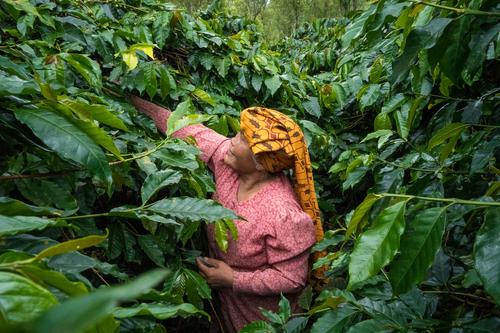
As for the origin of the name Mandheling, it actually stems from a misunderstanding. It is said that during the Indonesian colonial period, Japanese soldiers fell in love with the local coffee and, upon returning home, sought it out again through traders. Unable to disclose the exact origin, locals casually referred to it as "Mandheling"—a name that actually refers to an Indonesian tribal name and is also the background of the owner of a coffee export company, PWN. This serendipitous name eventually became synonymous with Sumatran coffee and spread globally through exports.
Sumatra’s wet hulling process is the core technique that shapes the unique flavor of Mandheling. Due to the region’s rainy climate, limited sunlight, and economic constraints, traditional sun-drying or washed methods were difficult to adopt, leading to the development of this unique processing method. Wet hulling occurs in two stages: first, the skin and pulp are removed, followed by about 3 hours of fermentation and initial drying to a moisture content of 30–50%; then the mucilage and parchment layers are scraped off, and the beans are further dried to 12–13% moisture. Though born out of economic and climatic limitations, this process unexpectedly created Mandheling’s signature bold, full-bodied, low-acid, and layered profile.
In addition to standard wet hulling, there is also aged wet hulling. This method involves storing processed coffee beans in a ventilated, cool environment for 2–3 years, with regular turning to prevent mold. Over time, acidity gradually transforms into sweetness, bean color darkens to deep brown, and the final result is a rounder, fuller flavor—this is the origin of Aged Mandheling.
The most common Mandheling varieties on the market are Lintong and Golden Mandheling. Lintong Mandheling comes from the Lintong mountainous region in north-central Sumatra, near Lake Toba, and is processed using traditional wet hulling. Its flavor profile is dominated by low acidity, high body, and balance. The common "goat hoof bean" phenomenon (where moist green beans crack during processing, resembling goat hooves) does not affect its overall quality—in fact, it becomes one of Mandheling’s iconic features.
Golden Mandheling is produced in the Lake Tawar region of the Gayo Mountains in northwestern Sumatra. Its green beans, due to special soil and semi-washed processing, often exhibit a light blue hue. This coffee is of G1 grade—the highest—and only the finest beans over eighteen mesh, with fewer than 3 defects per 300g sample, are selected. After strict screening, Golden Mandheling showcases a cleaner, brighter flavor with notes of nuts, spices, and caramel, offering better sweetness and purity than typical Mandheling. Notably, the "Golden Mandheling" trademark is registered by Indonesia’s PWN company, not the early Japanese brand it once partnered with for export. Though the flavors are similar, their market positioning and packaging strategies differ.
Tiger Mandheling comes from the higher-elevation Tiger Estate in northern Sumatra, requiring beans over seventeen mesh and with a defect rate below 4%. It is known for its pronounced herbal, medicinal aroma and bold mouthfeel, with a clear flavor profile and outstanding sweetness, making it a favorite among niche coffee aficionados.
Aged Mandheling consists of wet-hulled beans stored properly for 2–3 years. Its acidity gradually transforms, while sweetness and body increase, often taking on the aged aroma reminiscent of ripe Pu’er tea—a true classic refined by time.
Additionally, Wahana Estate Natural Mandheling breaks from tradition by using the more challenging natural (dry) processing method, which is especially rare in Sumatra’s rainy climate. This bean exhibits tropical fruit aromas and moderate acidity, with a smooth mouthfeel and noticeable sweetness, bringing a fresh dimension to Sumatran coffee.
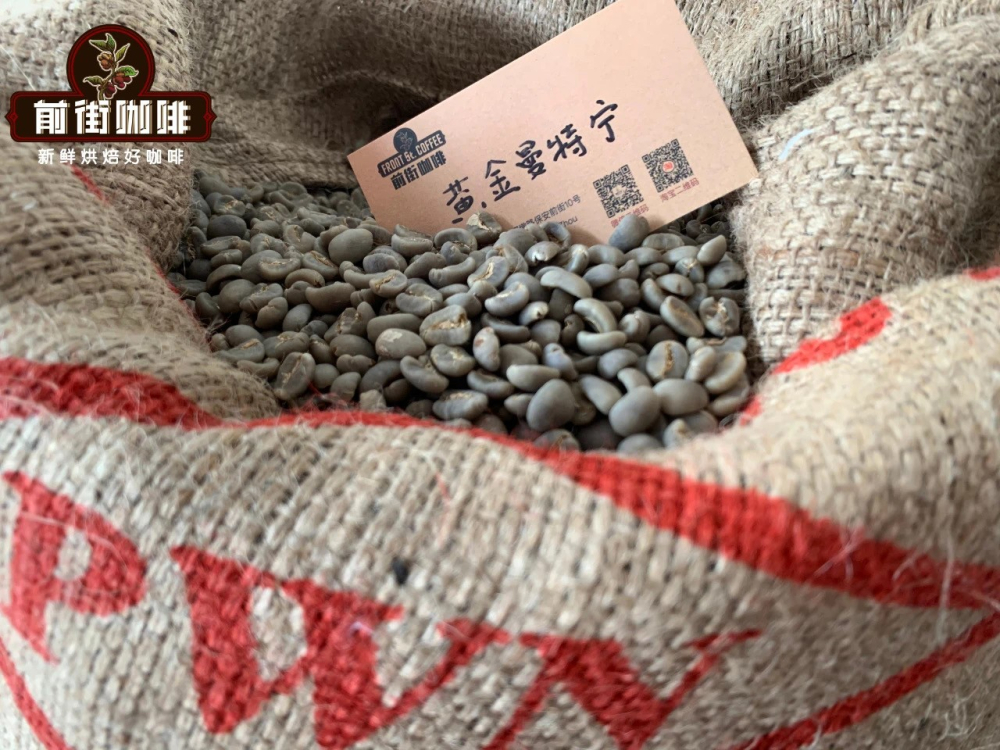
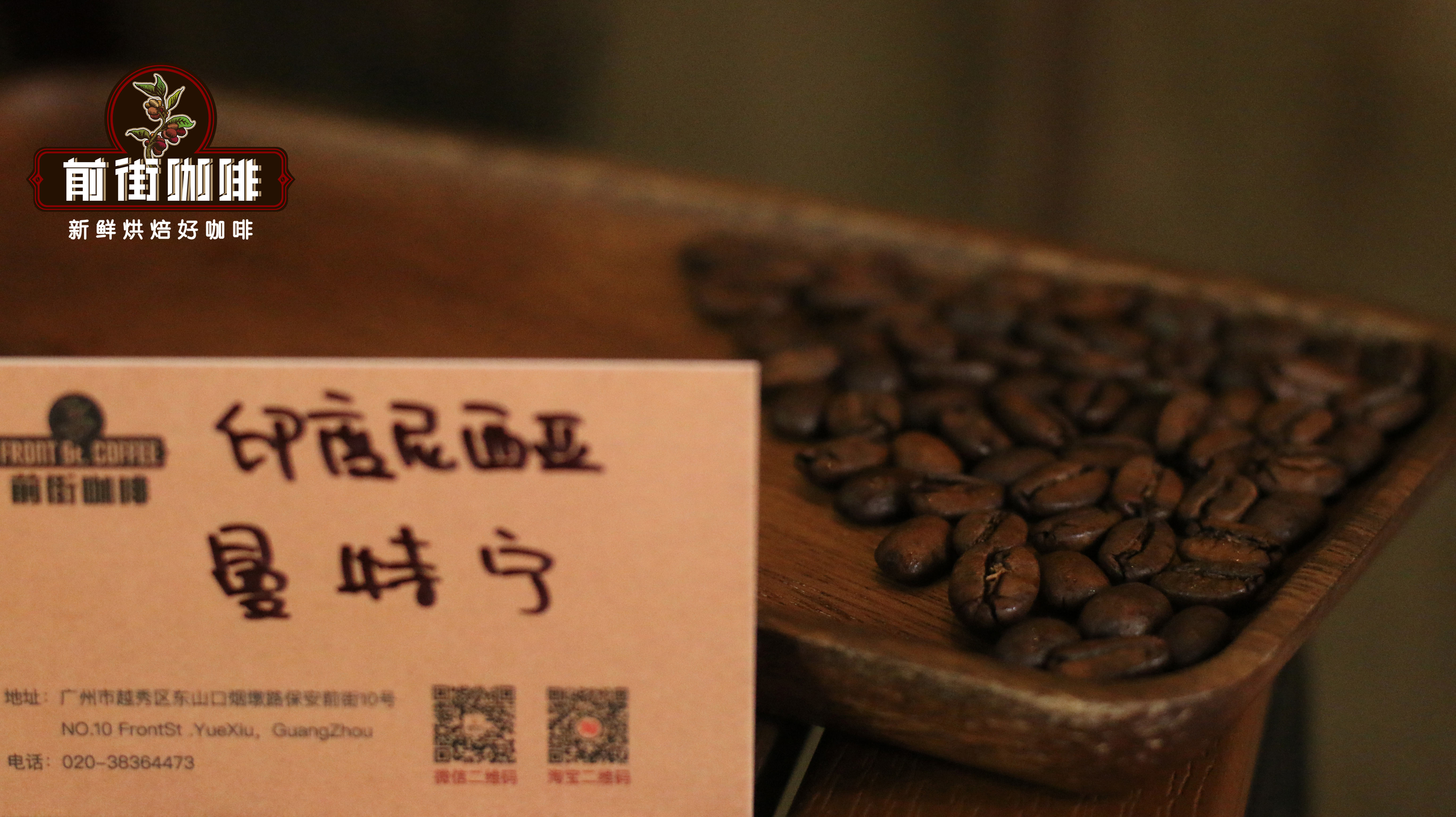
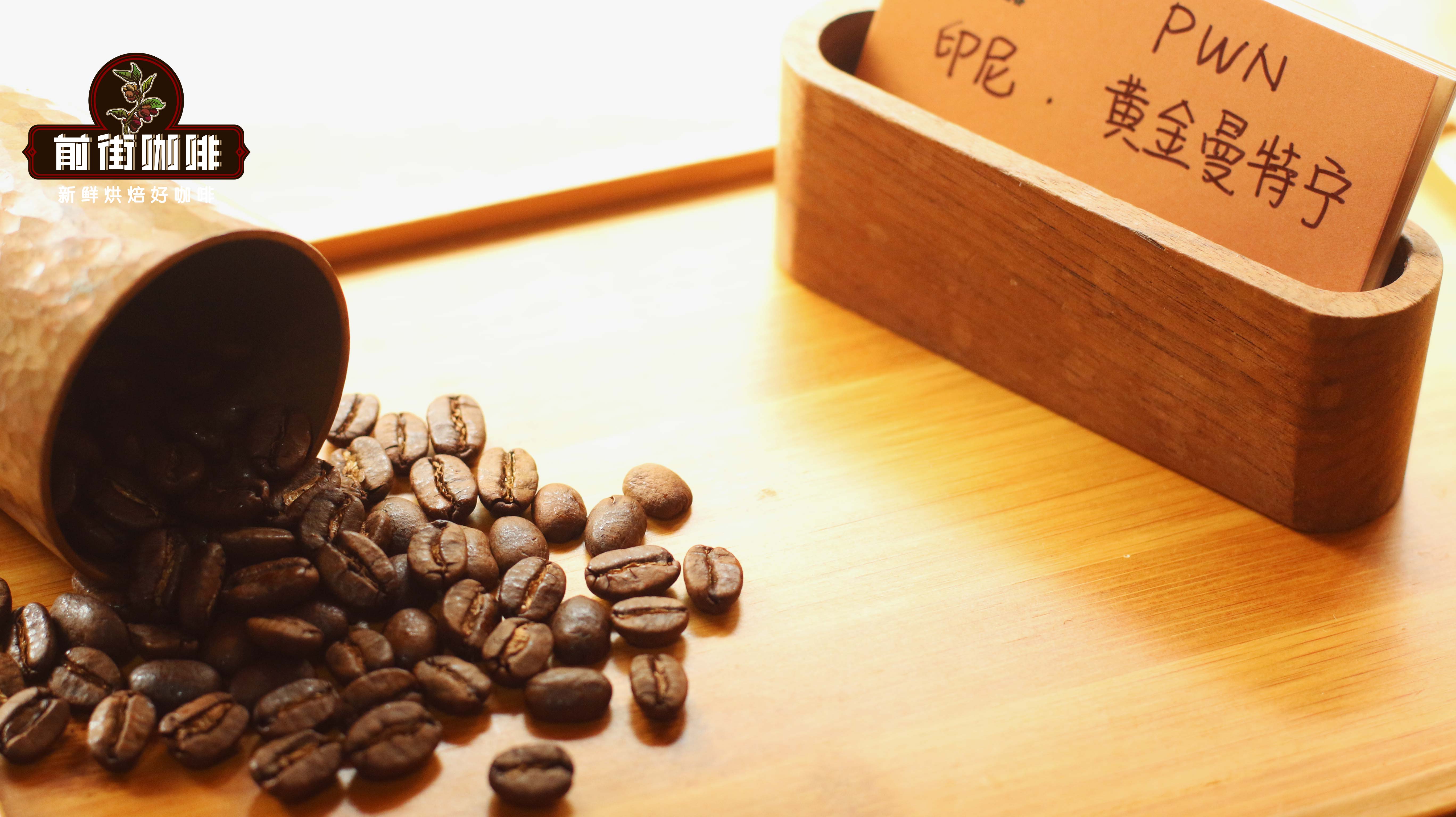
For roasting recommendations, to balance Mandheling’s often high acidity and enhance its body and layered complexity, most roasters opt for a medium-dark roast. Taking the Yangjia 800N roaster as an example, loading 550g of green beans and precisely controlling the roast curve can effectively bring out Mandheling’s chocolate, caramel, and spice notes, while reducing overly sharp flavor characteristics.
For pour over suggestions, it is recommended to use a Kono filter, with water temperature at 86°C, 15g of coffee, a 1:15 coffee-to-water ratio, and a grind size akin to medium sugar granules (70–75% passing through a Chinese standard #20 sieve). Specifically, start with a 30-second bloom using 30g of water, then pour in a small circular motion until reaching 125g for the first pour. When the water level drops and is about to expose the coffee bed, continue pouring to 225g before stopping. Remove the filter just before drainage completes, with total extraction time around 2 minutes and 10 seconds.
In terms of flavor profile, Lintong Mandheling presents balanced notes of herbs, chocolate, and caramel; Golden Mandheling excels in nuts, spices, licorice, and sweet caramel, with a clean and soft mouthfeel; Tiger Mandheling carries a distinct herbal, medicinal aroma with prominent sweetness and clear layers; Aged Mandheling is characterized by low acidity, Pu’er-like depth, and chocolate tones; Wahana Natural Mandheling exudes tropical fruit aromas, with moderate acidity and noticeable sweetness, offering a silky and captivating mouthfeel.
The above content is compiled by CoffeeHunters, a coffee news website.


