







Introduction:Cold brew coffee is beloved for its refreshing taste, but do you know just how much caffeine it contains? This article delves into the caffeine release mechanism of cold brew, analyzes its extraction characteristics and shelf life, and provides practical DIY cold brew preparation steps. Additionally, based on different flavor preferences, it recommends suitable types of coffee beans for cold brew and teaches you how to enhance complexity by adding dried flowers—helping you easily master the brewing techniques and health essentials of cold brew coffee.
In recent years, cold brew coffee has become a favorite among many coffee enthusiasts, not only because it’s simple to make, but also due to its uniquely refreshing taste. However, many people have questions about its caffeine content and are curious about how to brew and store it correctly. This article will explain the caffeine release principle of cold brew from a scientific perspective and provide a simple yet practical cold brew method, allowing you to brew a well-balanced cup of cold brew at home.
The reason coffee can invigorate and refresh the mind is largely thanks to its caffeine content. Caffeine blocks adenosine from binding with neurons in the brain, delaying the transmission of fatigue signals, thereby helping people stay awake. However, different brewing methods vary greatly in their efficiency of extracting caffeine. Generally speaking, high-temperature short-duration extraction methods, such as espresso, actually result in relatively lower caffeine release; whereas low-temperature long-duration immersion methods, such as cold brew and cold drip, extract more caffeine due to prolonged contact time. Taking a common cold brew recipe as an example—using 20 grams of coffee grounds with 200 milliliters of water—the final caffeine content is approximately 140 milligrams.
Cold brew is a low-temperature immersion extraction method, where the overall process is gentle, resulting in relatively less acid release. Therefore, the sourness and astringency in taste are significantly reduced, while better preserving the aromatic molecules of the coffee, leading to a richer and more balanced final flavor. This is one of the reasons why many people are fond of cold brew coffee.
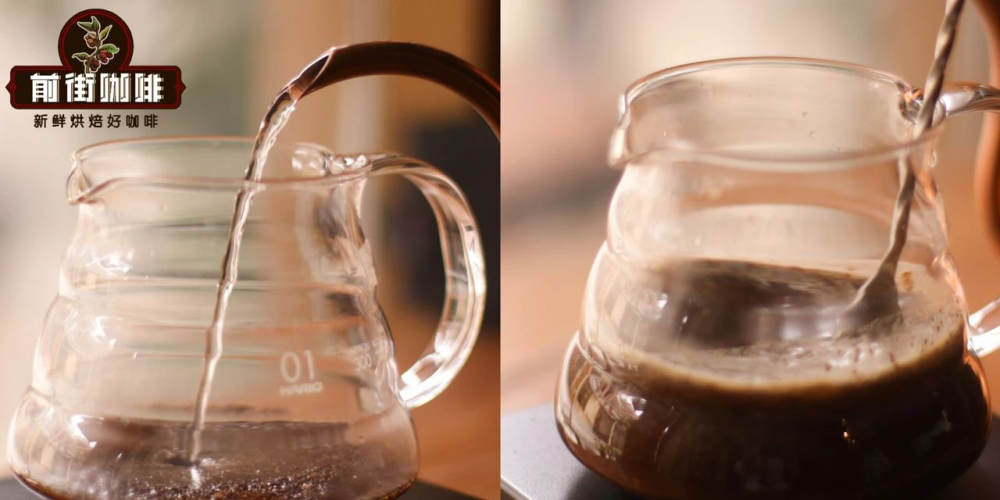
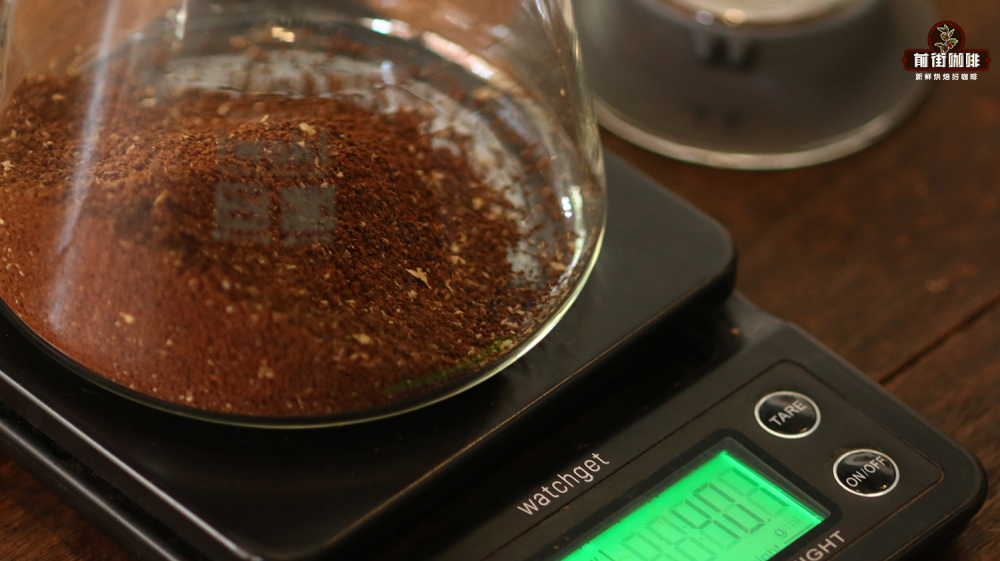
There are various ways to prepare cold brew, but the basic principles are largely the same. Here is a simple and easy-to-follow cold brew method: First, choose a sealable glass bottle or plastic bottle as the container. It is recommended to use coffee grounds that are slightly finer than those used for pour over, with a grind size of about 85% passing through a #20 sieve. For example, using 40 grams of coffee grounds with 500 milliliters of room temperature water gives a coffee-to-water ratio of 1:12. Pour the coffee grounds into the container, add water, and gently stir to ensure even saturation. Then seal and refrigerate. It is recommended to cold brew for 12 to 24 hours—the longer the time, the richer the flavor, but it is best not to exceed 24 hours to avoid over-extraction. After extraction, use filter paper to remove the coffee grounds and let it sit for two to three hours to allow residual particles to settle before enjoying. To ensure drinking safety and optimal flavor, it is recommended to consume within five days of preparation.
One of the charms of cold brew coffee is the ability to choose coffee beans with different flavor profiles based on personal taste preferences. If you prefer floral and fruity notes, it is recommended to choose lightly to medium roasted beans, especially washed-process beans from African and Central American regions. For example, Kenyan, Ethiopian, or Panamanian beans with bright acidity, when washed, have a clearer acidity that can give cold brew a juice-like freshness. If you prefer a softer fruit tone, sun-dried processed beans are a good choice, as their high sugar content and rich floral aromas can showcase complex layers and fermentative notes during cold brew.
For tea drinkers seeking distinct flavors, there are also many specialty-processed coffee beans available on the market. These beans often carry pronounced aromas such as strawberry, dried fruit, rose, or liquor chocolate, which present more recognizable flavor profiles after cold brew. For example, Colombian Geisha, Costa Rican Strawberry Sugar Gesha blend, or Huākuí (Flower Queen), are all excellent choices with vivid flavor expressions.
If you don’t enjoy excessive acidity or sweetness, medium-dark or dark roasted coffee beans may be more suitable. Medium-dark roasting retains slight acidity while bringing out chocolate and spice notes, ideal for those who prefer balanced flavors. For instance, Brazilian Queen Estate or Guatemalan Antigua Fleur de Lis are classic representatives of medium-dark roast. If you prefer a rich, mellow chocolate and spice profile, Indonesian Golden Mandheling dark roast offers a smooth and acid-free drinking experience.
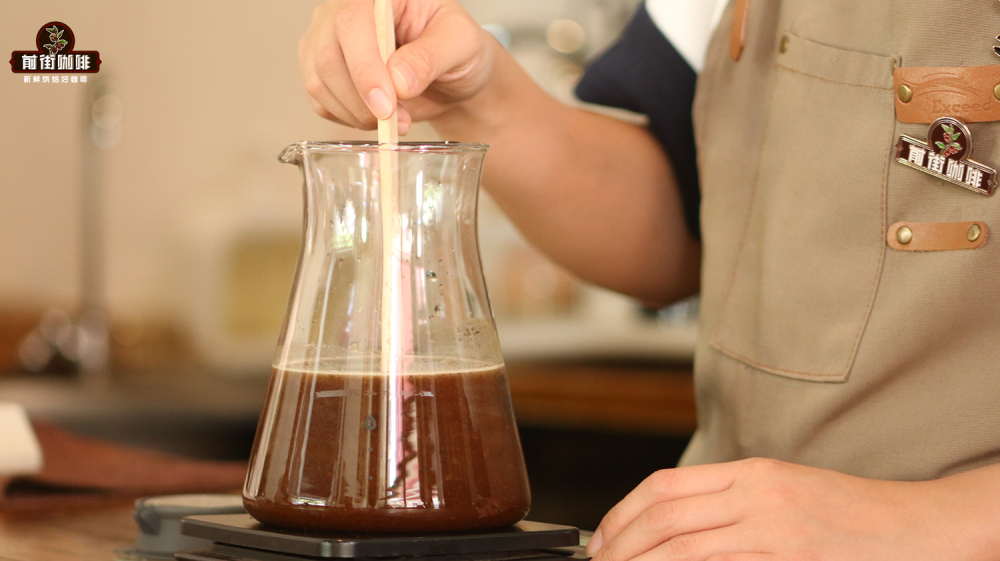
In addition to choosing the right coffee beans, you can also try adding a small amount of dried flowers, such as osmanthus or jasmine, during the cold brew process to impart a subtle floral aroma. This approach can add more layers to your cold brew, particularly appealing to those who enjoy floral and fruity flavors. However, note that while the aroma of dried flowers is strong, their taste is relatively light. It is recommended to pair them with medium-light roasted beans that already possess floral and fruity notes to create a more harmonious overall flavor.
In summary, cold brew coffee is not only convenient to prepare but also allows for flavor customization based on personal preferences. Understanding its caffeine content and extraction characteristics enables you to plan your daily intake more scientifically, and by selecting beans and adjusting flavors, you can craft your own unique cold brew flavor profile. With a grasp of basic brewing parameters and preservation tips, you too can easily enjoy a personalized cup of cold brew coffee at home.
The above content is compiled by CoffeeHunters, a coffee news website.


