







Introduction:Drip bags are an ideal starting point for many coffee beginners entering the world of pour over brewing. They are easy to use yet full of potential. However, if you overlook factors such as water temperature, coffee-to-water ratio, and pouring rhythm, it’s easy to end up with a bland, uninspired drink. This article explains how to fully unlock the aroma and layers of drip bag coffee by precisely controlling hot water at 88–93°C, using a coffee-to-water ratio of 1:15 to 1:17, and employing a multi-pour technique. It also explores how the freshness of the coffee grounds critically impacts flavor.
Drip bags may seem easy to brew, but if you simply soak the entire filter bag in water — or even wet the attached hanging paper tabs — you’ll often end up with a thin, brown liquid lacking in flavor. To truly enjoy a well-rounded, clean-tasting black pour over coffee from a drip bag, water temperature control, the coffee-to-water ratio, and pouring method are all essential factors that shouldn’t be overlooked. This article will guide you through practical steps to understand how to use water at 88–93°C, pair it with a 1:15 to 1:17 coffee-to-water ratio, and employ about 150–170 grams of water in multiple pours to fully showcase the coffee's aroma and complexity. It will also explain how the freshness of the coffee grounds affects the final taste, and introduce several drip bag options with distinct flavor profiles to help you find your perfect match.
If you’ve never tried pour over coffee but want to enjoy a decent cup of black coffee at home, drip bags are definitely a great entry option. They have a low barrier to entry, require no specialized equipment, and eliminate the hassle of grinding. However, there are two common mistakes to avoid: First, never soak the entire drip bag in water, and don’t let the attached hanging paper tabs get wet, either — otherwise, the coffee can lose its complexity and taste flat. Second, many people assume that just pouring hot water into the drip bag is enough, only to find the intended flavors missing. In truth, brewing a good cup from a drip bagcomes down to water temperature,coffee-to-water ratio, and pouring rhythm
— these are the true keys to success, and they’re far more nuanced than they may appear.
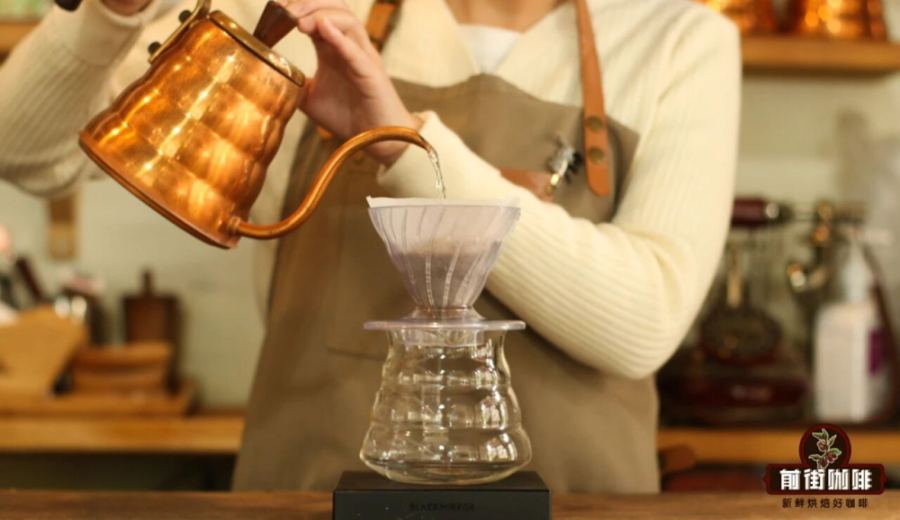
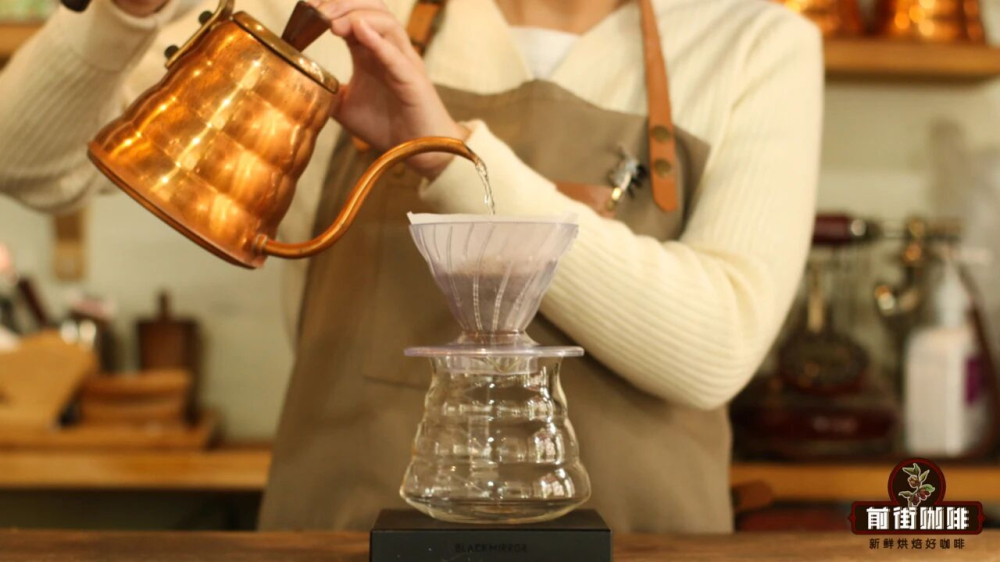
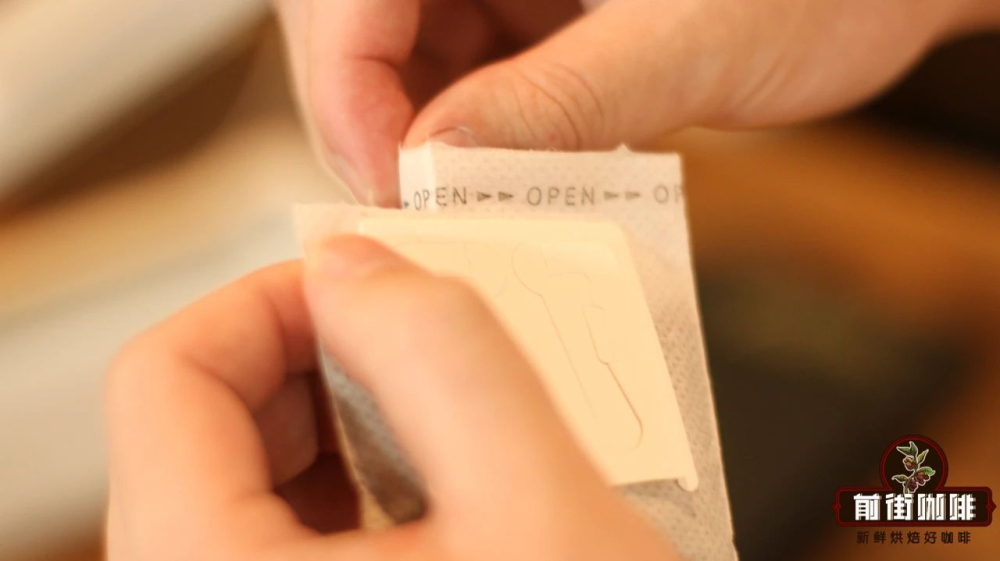
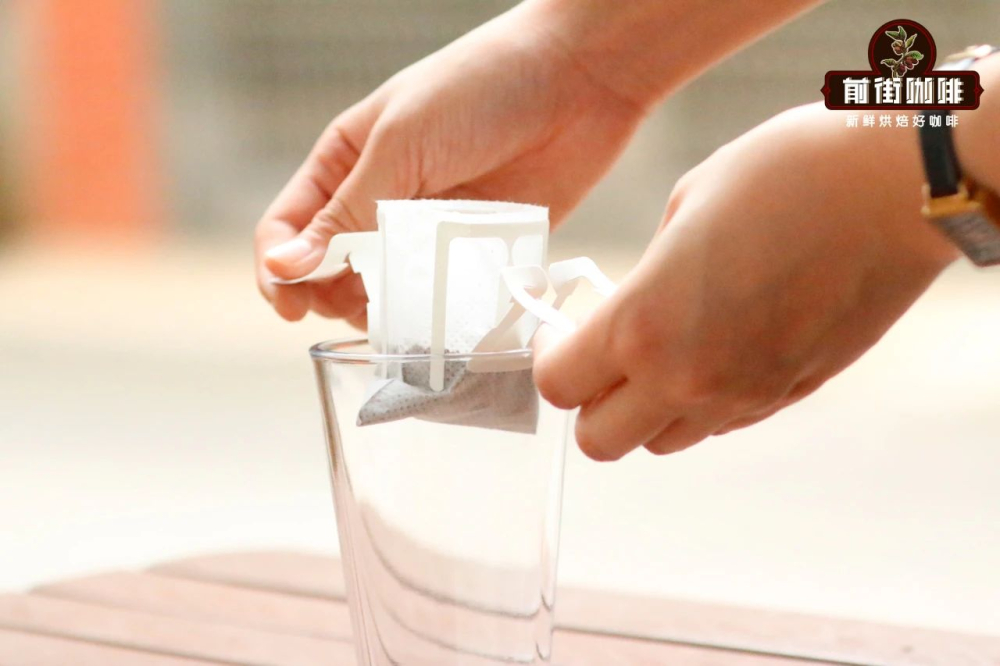
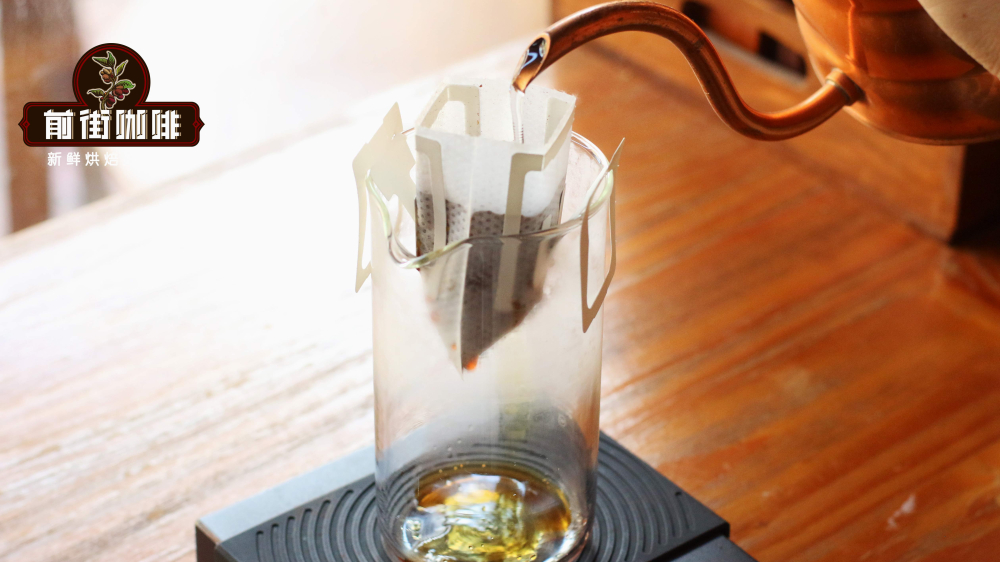
In reality, once you master the correct steps, brewing pour over coffee with a drip bag isn’t complicated. By following these four simple steps, you can easily brew a decent cup of black coffee: First, carefully tear open the sealed strip at the top of the drip bag; next, pull the two side tabs outward and securely hang the bag on the edge of your cup; then, using water at 88–93°C, slowly pour a thin stream of water, adding roughly a quarter of the bag’s capacity to let the coffee grounds bloom for about 10 to 20 seconds — this step is called “bloom” and helps awaken the aromas of the coffee; after that, proceed with the second pour, filling the bag to about nine-tenths full. Once the water has completely dripped through, you can add more water up to nine-tenths full again. Finally, wait for all the coffee to finish dripping. If you prefer a lighter taste, you can add a bit more hot water to adjust to your desired strength.
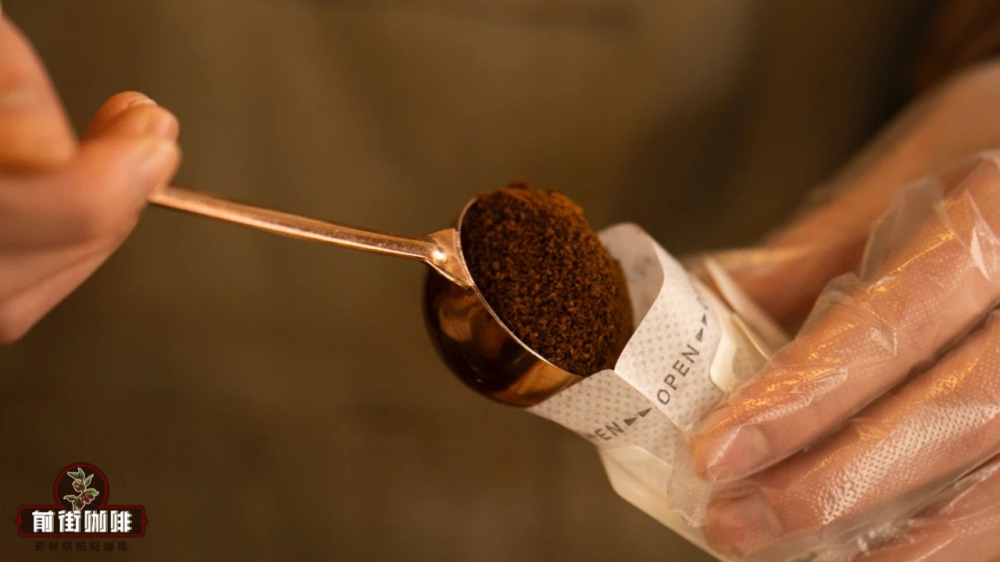
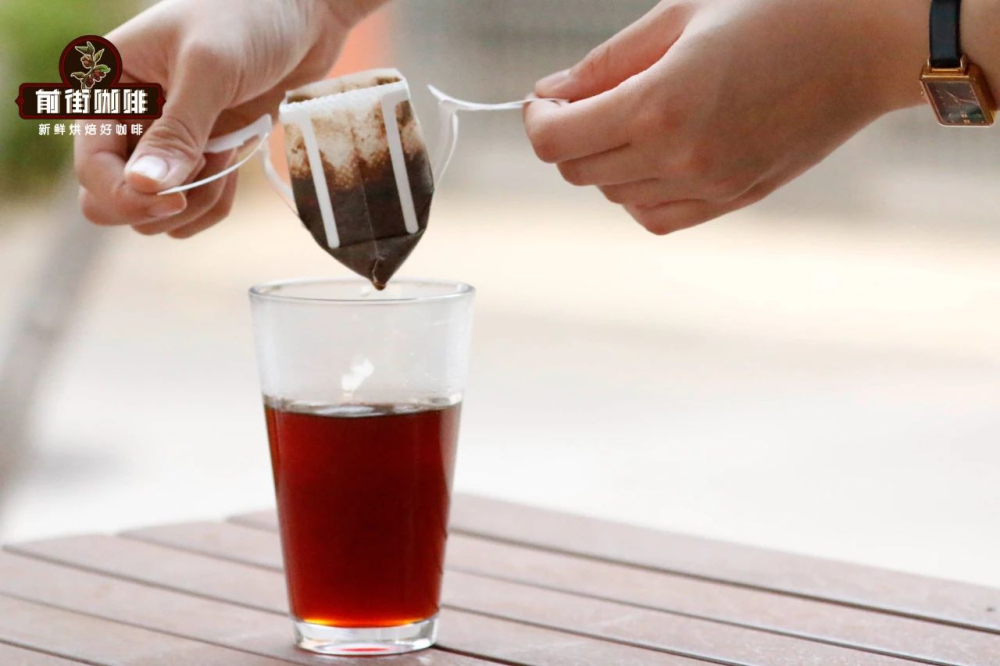
Once finished, simply remove and discard the drip bag. Worth noting is that the paper tabs on both sides of the drip bag design allow you to easily lift out the filter without getting your hands wet — a thoughtful and convenient feature.So,how should water temperature and water volume be controlled?
It’s recommended to maintain the water temperature between 88–93°C. This range effectively prevents over-extraction or under-extraction, helping to highlight the coffee’s best qualities. If you don’t have a thermometer, a simple method is to let freshly boiled water sit with the lid off for about two minutes — the temperature will then fall within the ideal range. Typically, a standard drip bag contains 10 grams of coffee grounds. It’s suggested to use a coffee-to-water ratio of 1:15 to 1:17, which means pouring 150–170 grams of hot water. During actual pouring, you can refer to the aforementioned multi-pour technique to gradually release the coffee’s aroma and layered flavors.
Of course, besides water temperature and volume, the quality of the coffee itself is also key to flavor, especially the freshness and inherent characteristics of the coffee grounds — factors that should not be ignored.The coffee grounds inside drip bags are already ground and sealed, so compared to whole beans, their aroma is more prone to dissipating over time. Therefore, to enjoy the best performance from your coffee, in addition to ensuring the grounds are sufficiently fresh, it’s recommended to consume them soon after opening. Generally speaking,the aroma of freshly roasted coffee beans will rapidly decline within a few days after being ground
— so choosing drip bags made from beans that were ground shortly after roasting can help deliver more vibrant flavors.
Many quality-focused drip bag brands use beans roasted within five days and only grind and seal the coffee after an order is placed, ensuring each pack is at its peak flavor when brewed. These products often support fast shipping, allowing consumers to enjoy freshly brewed coffee with minimal delay.
If you’ve already taken an interest in pour over brewing, chances are you won’t be satisfied with just one type of flavor. The market offers a wide variety of drip bag coffees, covering single-origin beans from different regions, various processing methods, and diverse cultivars. Whether you prefer floral-fruity notes, nutty sweetness, or bold, rich spice tones, you can find a style that suits your personal taste.
For example, some drip bags use the natural (sun-dried) processing method, undergoing prolonged natural fermentation and careful selection to present complex layers of tropical fruit — including mango, jackfruit, citrus, and honey aromas. There are also Indonesian Mandheling beans, known for their herbal base, caramel and nut aromas, paired with low acidity and a rich dark chocolate profile, offering a bold and layered mouthfeel. For those who prefer balanced flavors, medium-roasted Brazilian Red Bourbon showcases intense nuttiness, with neither excessive acidity nor bitterness — making it ideal for everyday drinking.
The above content is compiled by CoffeeHunters, a coffee news website.


