







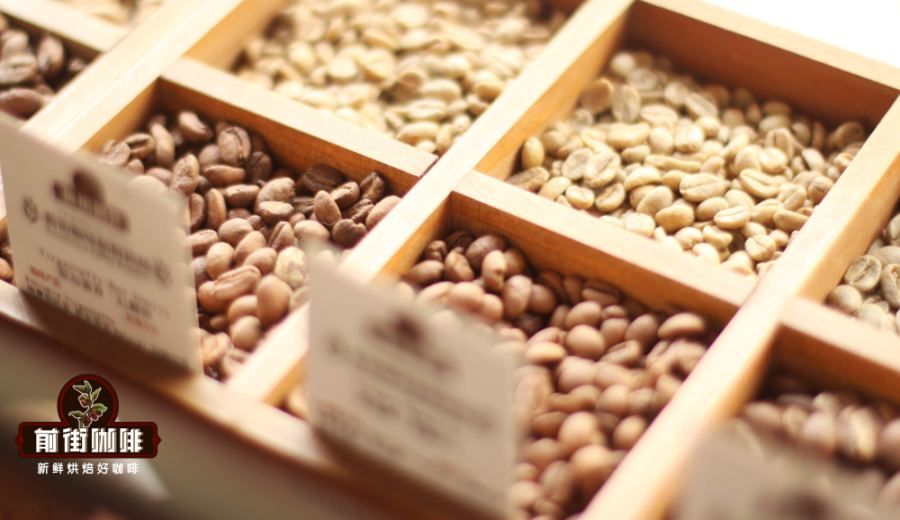
Introduction:Want to understand the unique flavors and optimal pour over settings of the 2025 new crop Sidamo Huakui? This article takes you from the regional background and processing evolution, to the history and variety characteristics of Huakui beans, offering an in-depth analysis of this highly anticipated natural coffee. Whether you're a beginner or an advanced enthusiast, you'll find practical brewing inspiration and flavor expectations here.
Sidamo is one of Ethiopia’s representative specialty coffee regions, and Huakui is the champion natural coffee nurtured on this highland. This article will comprehensively deconstruct the relationship between Sidamo and Huakui—from regional geography, historical origins, variety traits to processing techniques—and focus on the 2025 new crop natural Huakui, analyzing its flavor profile while providing professional and practical pour over recommendations to help you more precisely extract its captivating fruitiness and sweetness.
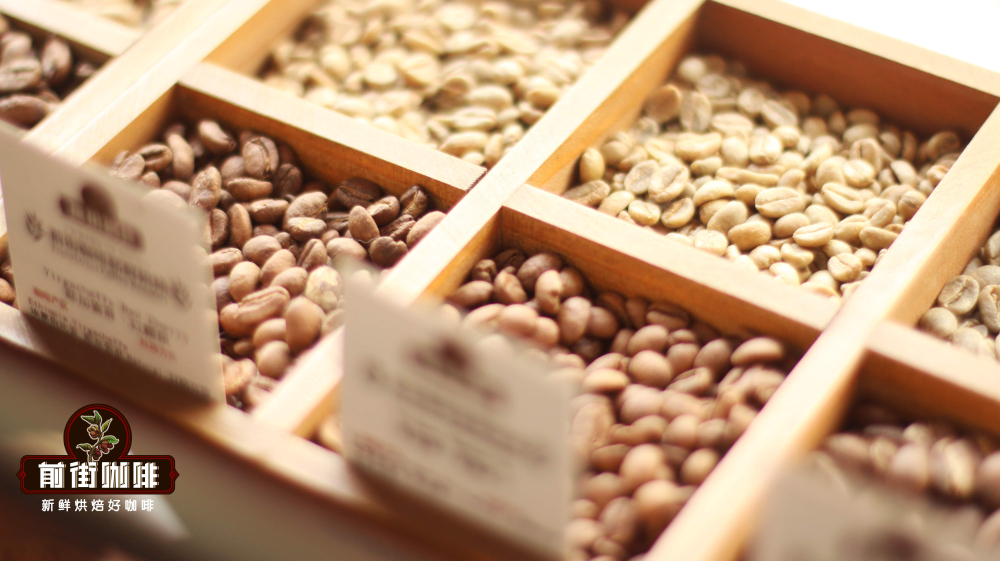
First, we need to clarify a common misconception: Sidamo is not the name of a specific coffee, but an important coffee-producing region in southern Ethiopia. This area, as renowned as Yirgacheffe, is famous for producing high-quality specialty coffee, with its beans frequently winning awards in international competitions such as COE and TOH. Sidamo coffees generally feature bright citrus acidity, blended with the richness of black tea and the lush layers of tropical fruits, offering a fuller body and more structured mouthfeel compared to Yirgacheffe.
Located on the Awasa Lake Plateau on the southern side of the East African Rift Valley, Sidamo sits at an altitude between 1500 and 2200 meters. With a mild, rainy climate and moderate shade cultivation, the coffee cherries are able to slowly ripen in a low-temperature environment, accumulating rich flavor precursors. The region is mostly operated by smallholder farmers, with collective processing through local cooperatives or processing stations, which has gradually led to more refined production in recent years, focusing on micro-lots and high traceability—resulting in more coffees with distinctive personalities.
When discussing Sidamo, its administrative and historical background cannot be overlooked. Sidamo was actually the name of an old province before Ethiopia’s administrative reorganization in 1995. The main ethnic group in the area is the Sidama people, who have a unique language and culture. After the reorganization, the region was incorporated into the Southern Nations, Nationalities, and Peoples' Region, and its official name was changed to Sidama. However, because Sidamo coffee had already gained international fame—and the originally registered trademark still uses Sidamo®—the consumer market continues to refer to it as Sidamo.
The soil here is nutrient-rich volcanic soil, with deep layers and good drainage. Coupled with natural farming methods involving organic matter cycling, it provides ideal growing conditions for coffee. Due to the diverse terrain, which includes high mountains, plateaus, valleys, and plains, along with microclimates and the diversity of native varieties, the flavors of coffee produced in Sidamo vary greatly and are difficult to distinguish solely by variety. Therefore, buyers typically evaluate based on region, altitude, and cupping scores.
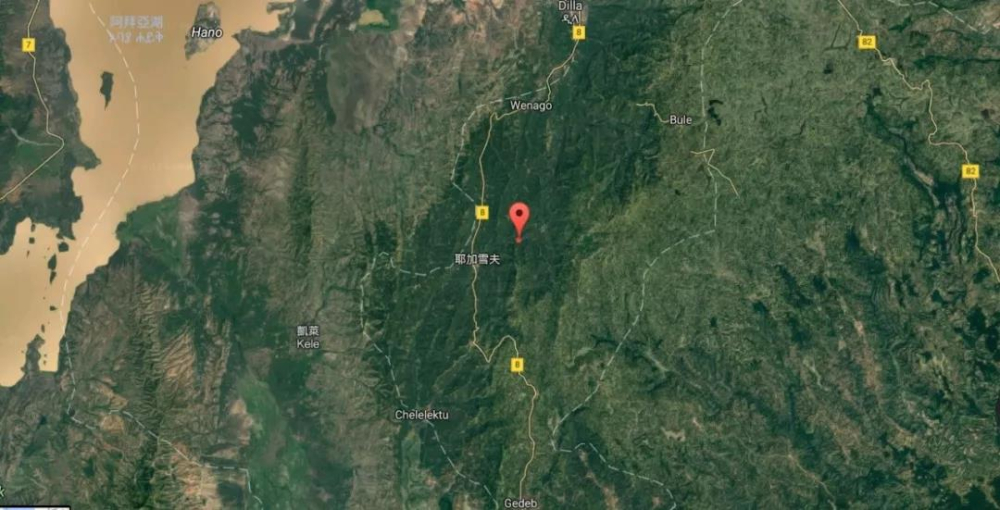
The birth of Huakui coffee is inseparable from the Hambella sub-region on the border of Sidamo. Hambella is located at the junction of Sidamo and Guji, and is administratively under Guji, yet due to its unique topography and microclimate, it produces coffee with a distinctive character. This area sits at an altitude of over 2000 meters, making it one of the highest-altitude coffee-growing regions in Ethiopia, surrounded by shading crops such as sugarcane and bananas, which provide an excellent growing environment for coffee trees.
Huakui was first selected by DW Company to participate in the TOH (Ethiopia National Taste of Harvest) competition in 2017, where the natural batch from Buku Abel processing station won the championship. This coffee, with its intense strawberry and cream aroma, was introduced by a Beijing trader and named ‘Huakui’, symbolizing its status as the ‘foremost among flowers’. Subsequently, this batch quickly became popular among coffee enthusiasts for its appealing flavors and reasonable price, becoming a high-value natural coffee representative.
The so-called ‘Huakui X.0’ is actually a version numbering system based on the year of release—for example, 2018 was Huakui 2.0, 2019 saw the launch of 3.0 and 3.1, 2020 was 4.0, 2021 was 5.0, 2022 was 6.0, 2024 was Huakui 8.0, and 2025 returns to simplicity, simply called ‘Huakui’. These versions all come from Buku Abel processing station, which is the only authentic source with champion lineage; other processing stations in Hambella, though nearby, are not permitted to use this name.
The coffee variety used in Huakui is the local native Heirloom. This is not a single variety, but rather a general term for thousands of unclassified native Ethiopian varieties, often interplanted by smallholders, with significant differences between varieties in terms of bean size and shape, resulting in the uniqueness and unpredictability of each batch’s flavor. This ‘blended lot’ is one of the reasons why Huakui’s flavors are so varied and captivating.
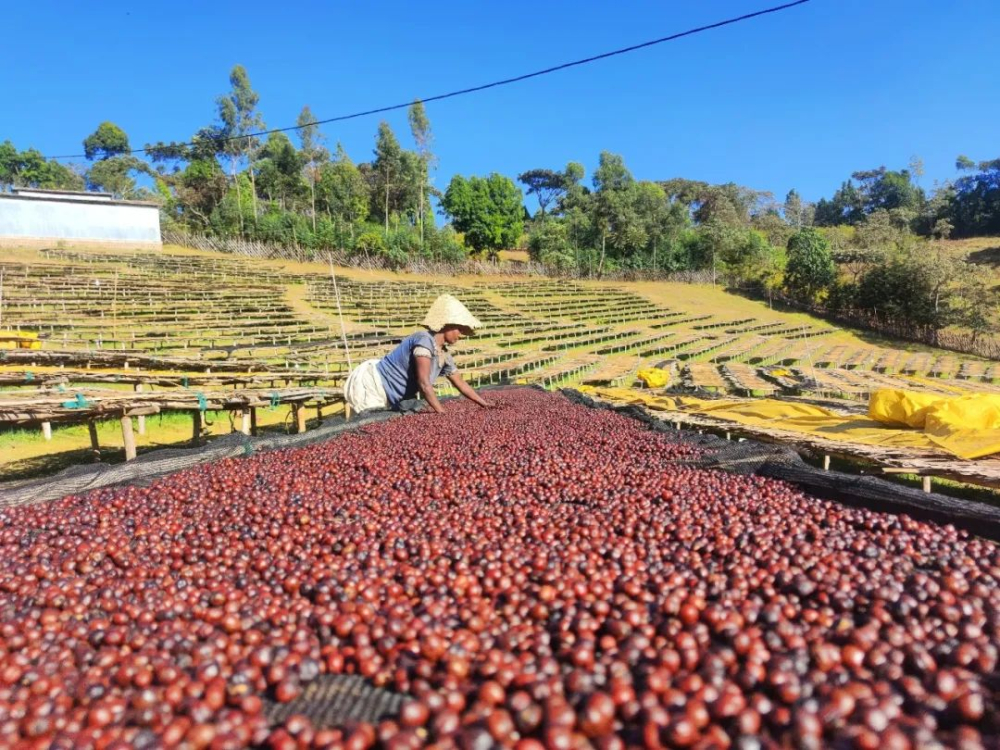
In terms of processing, Sidamo, like most Ethiopian regions, primarily uses the natural method. The natural process is the most traditional and natural approach, where fully ripe coffee cherries are spread out on African beds and sun-dried for about 18 days or more. During this time, temperature and humidity are controlled to avoid over-fermentation or mold, and the cherries are eventually hulled when the moisture content drops to around 13%. This method fully preserves the sugars and aromas of the fruit pulp, imparting the coffee with intense fruitiness, sweetness, and floral notes.
For the 2025 new crop natural Huakui, its flavor performance is particularly outstanding: bright floral and fruity aromas feature layers of citrus, passionfruit, and strawberry, while the finish lingers with the mellow sweetness and high sweetness of oolong tea—making it highly suitable for coffee lovers who enjoy a balance of fruity and tea-like notes.
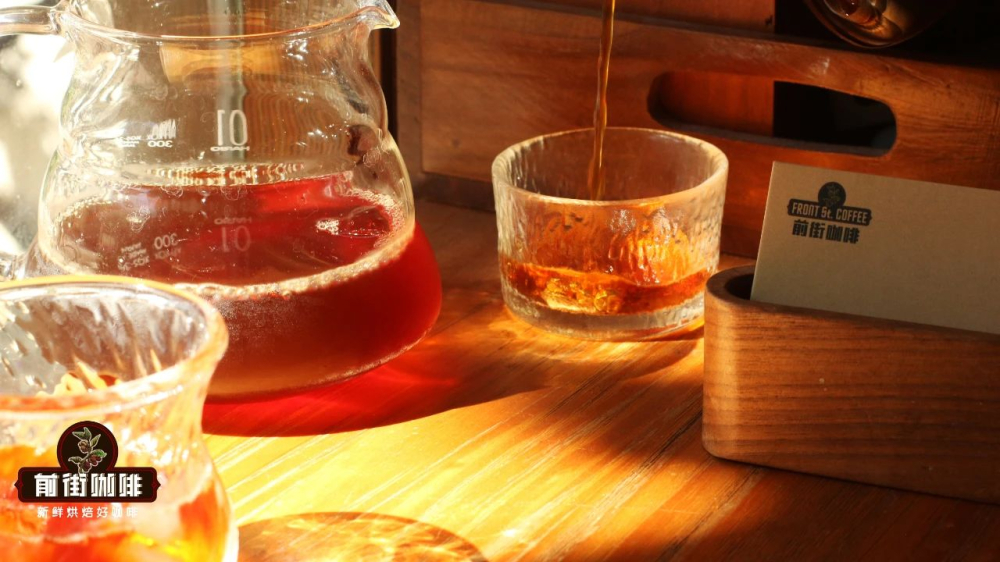
As for pour over recommendations, the team suggests using a V60 filter cone, with water temperature controlled at90°C,a water-to-coffee ratio of 1:15,a coffee dose of 15 grams, and a grind size approximately equivalent to 80% passing through a Chinese No. 20 sieve. During extraction, start with30 grams of water for a 30-second bloomto help degas and stabilize subsequent extraction; then pour in a small, circular motion up to125 grams (first pour), followed by pouring up to225 grams total, with a total extraction time of approximately2 minutes. Finally, gently swirl the coffee before pouring into the cup to better experience its rich layers.
The above content is compiled by CoffeeHunters, a coffee news website.


