







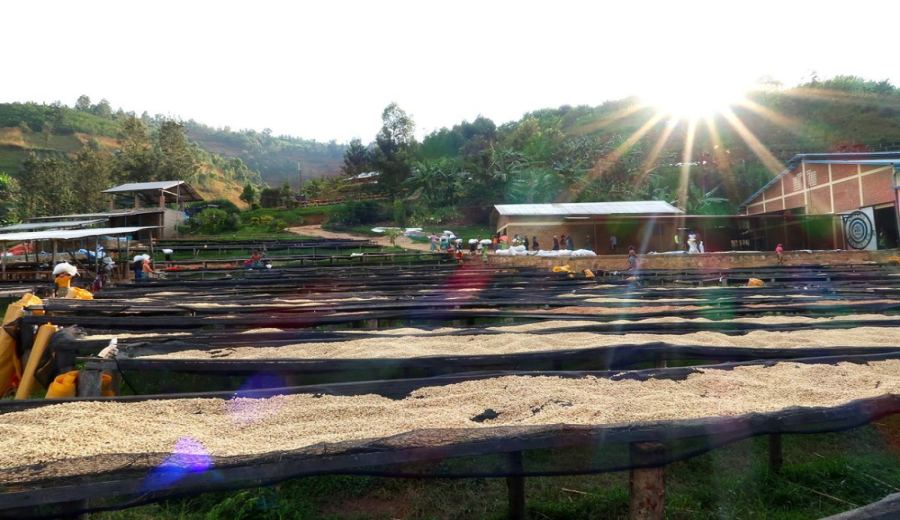
Introduction:Tanzanian coffee is renowned for its washed processing method, often exhibiting delicate flavors of blackcurrant, red wine, and citrus. It stands as one of the important representatives of fine African coffee. This article will delve into the historical origins of Tanzanian coffee, the characteristics of its major producing regions, how it differs from Kenyan beans, and analyze how washed processing shapes its unique flavor profile. Finally, practical pour over parameters are provided to help you fully appreciate the charm of this East African coffee.
Tanzania is one of Africa’s three major coffee-producing countries, alongside Ethiopia and Kenya. Its coffee is known for its mild acidity, pronounced red wine aroma, and distinctive blackcurrant flavor. This East African nation not only boasts magnificent natural landscapes but is also a high-potential region for quality coffee. Especially its washed-processed beans have gradually gained international attention.
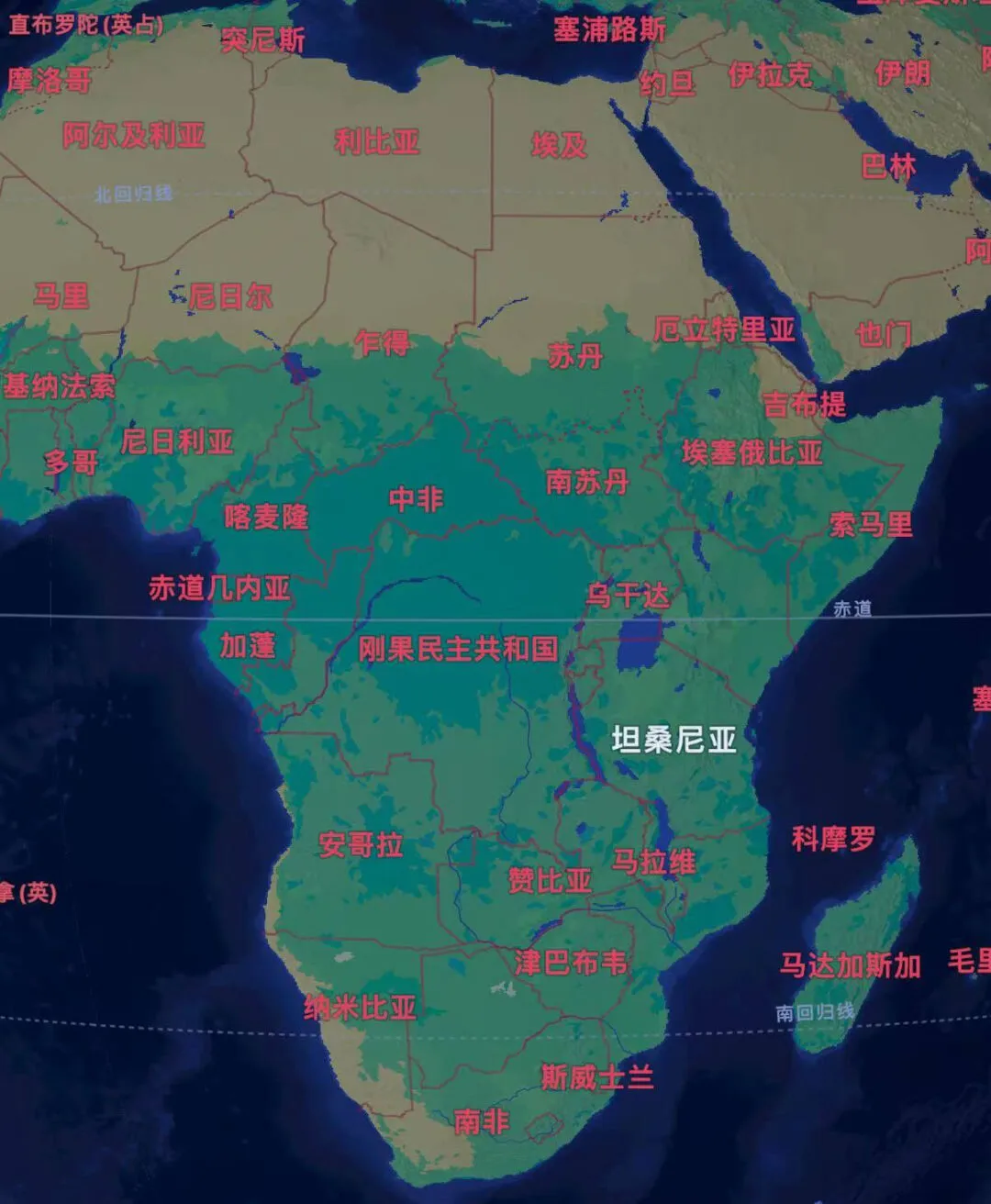
The United Republic of Tanzania is located in East Africa, south of the equator, and consists of the mainland region of Tanganyika and the Zanzibar Archipelago in the Indian Ocean. The terrain is diverse, stretching from the coastal plains in the east to the highland areas in the west, with the Great Rift Valley of East Africa running through the central part. The country’s highest peak—Mount Kilimanjaro—is also the world’s tallest freestanding mountain. Such rich terrain and microclimates provide a diverse environment for coffee cultivation.
Coffee was first introduced to Tanzania in the late 19th century from the French island of Réunion and brought by Christians to the Bayamoyo and Mogoro regions. The real impetus for the development of Tanzanian coffee came in 1893, when coffee trees planted on the slopes of Mount Kilimanjaro thrived due to the fertile volcanic soil, officially marking the beginning of the country’s coffee-growing history. Subsequently, in 1911, the colonial government promoted large-scale Arabica cultivation in Bukoba, and in 1952, the first coffee growers’ cooperative was established, further expanding production scale.
By the mid-20th century, Tanzania began importing new coffee varieties from neighboring Burundi, mainly planting them in the western highlands. Although the country made strong efforts to develop its coffee industry after gaining independence in 1961, setting a goal to double production, it ultimately did not fully achieve this target. Currently, Tanzania’s annual coffee output is about 60,000 tons, with Arabica and Robusta each accounting for half. Notably, Tanzania once relied mainly on large plantations, but today over 80% of its coffee comes from smallholders, many of whom have formed cooperatives. Among them, the Kilimanjaro Native Cooperative Union (KNCU) is the most representative, tasked with ensuring coffee quality.
Coffee processing and export in Tanzania are managed uniformly by the Tanzania Coffee Board (TCMB), which sells the beans to private exporters via auctions. Compared to neighboring Kenya, Tanzanian coffee has milder acidity but still retains bright characteristics, along with a rounder sweetness and rich red wine aroma. Additionally, Tanzanian coffee packaging is also unique—it does not use the common jute bags but instead employs coarse sacks made from agave fibers. This move aims to protect the local sisal industry and is a notable feature of the country’s coffee-producing regions.
Tanzania’s main coffee-producing regions are concentrated in the north and south. The north primarily includes Moshi and Mbeya around Mount Kilimanjaro, where altitudes mostly range between 1,300 and 2,000 meters. These are among the highest-altitude coffee-growing areas in Africa and also the country’s largest coffee-producing regions, accounting for about 75% of national output. The south is represented by the Songea-Ruvuma area in the Ruvuma River basin, where the coffee often features unique wine-like and fruity notes, differing in flavor profile from the bright citrus tones of the north.
The Kilimanjaro volcanic region is the cradle of Tanzania’s specialty coffee, with a planting history dating back to 1893. The area mainly employs washed processing to preserve the pure flavors of the coffee. Most of the coffee here is grown by smallholders, at an average altitude of over 1,500 meters, resulting in a balanced expression of intense fruit acidity, floral notes, and a rich body. The coffee produced in this region—washed using this method—delivers clear citrus and berry notes, accompanied by lingering hints of honey and tea, with a distinct blackcurrant aroma emerging upon cooling.
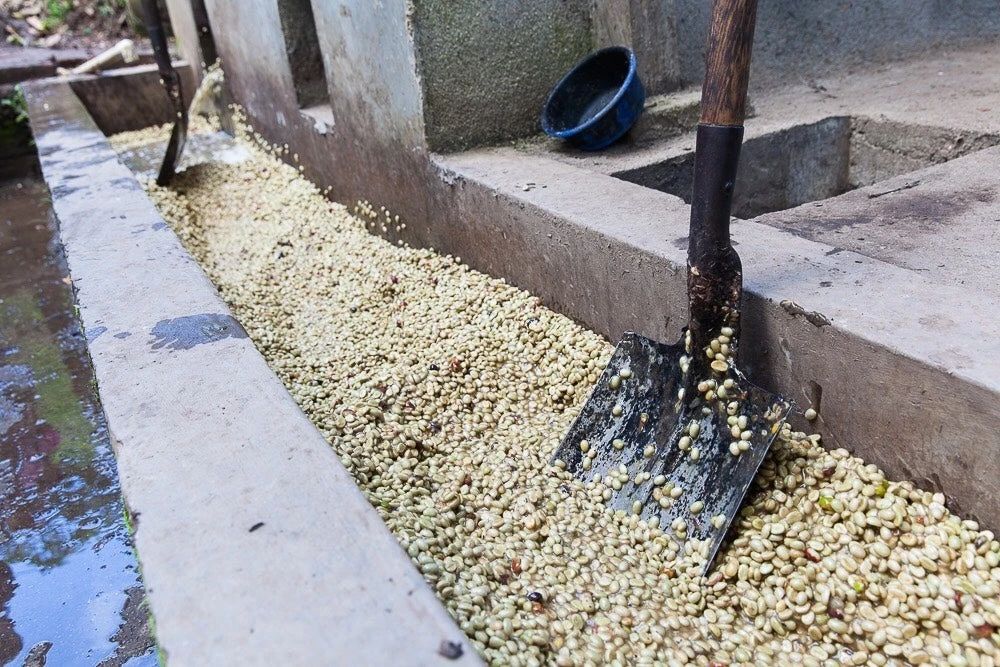
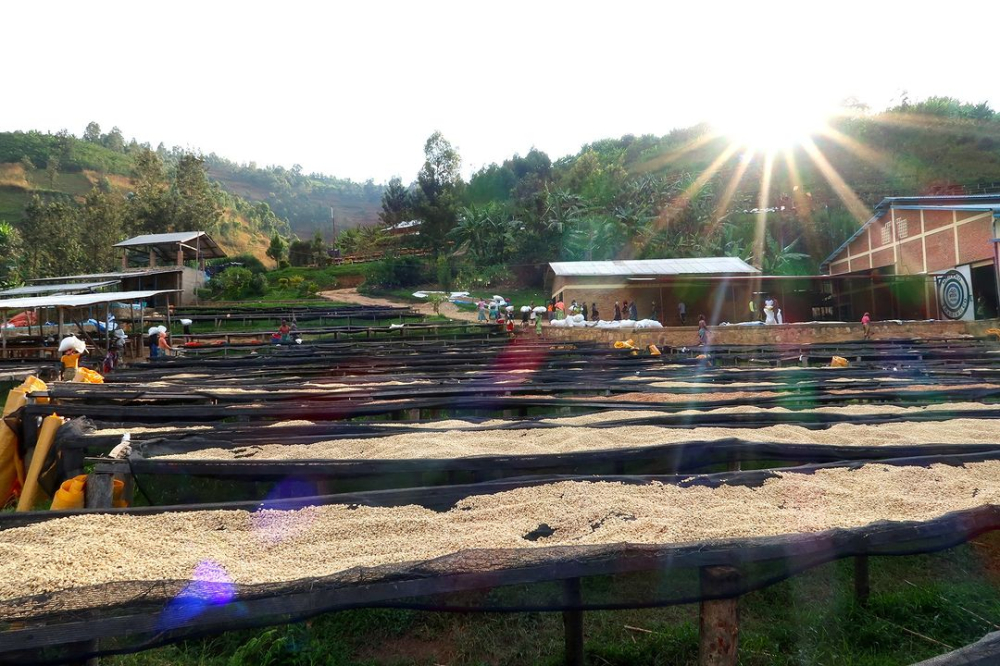
The washed processing procedure in Tanzania is highly meticulous: after harvest, the coffee cherries first undergo floatation to remove defective beans, then a pulper removes the outer skin and pulp, leaving a layer of mucilage on the beans. Next, the beans are left to ferment in tanks for 16 to 36 hours, allowing natural microbes to break down the mucilage. They are then thoroughly rinsed with water and finally sun-dried until the moisture content meets the standard. This processing method imparts gentle yet layered acidity, a full and balanced body, along with unique sweetness and spicy undertones.
In terms of flavor profile, Tanzanian washed beans often feature descriptors such as citrus, honey, berries, nuts, and a tea-like quality. The overall flavor structure is clear and well-defined, making it ideal for coffee lovers who enjoy fruity aromas and a balanced sweet-and-acid taste. Whether brewed using pour over or prepared as iced coffee, it showcases its distinctive flavor charm. Especially as the temperature drops, the aroma of blackcurrant becomes more pronounced, adding to the enjoyment of the cup.
If you’d like to brew Tanzanian washed coffee at home, you can refer to the following practical parameters: use a V60 dripper, with a recommended powder-to-water ratio of 1:15. Water temperature should be controlled around 91°C, and grind size should be roughly that of fine sugar (approximately 80% passing through a #20 sieve). For specific brewing steps, start with a 30-second bloom using 30 grams of water, then pour in 125 grams of water in a circular motion. Once the water level drops by half, add another 225 grams. The overall extraction flows smoothly and presents clear layers, helping to fully highlight the coffee’s fruity notes and delicate acidity.
In summary, Tanzanian coffee, with its unique washed process and high-altitude growing environment, produces specialty coffee with red wine aroma, blackcurrant fruit notes, and gentle acidity. Whether compared to Kenyan beans or other East African regions, it exhibits a distinct personality and charm. If you’re a pour over enthusiast, do try this washed bean from the foothills of Mount Kilimanjaro, and experience its multi-layered flavor changes from hot to cold.
The above content is compiled by CoffeeHunters, a coffee news website.


