








Introduction:Pour over single-origin coffee beans and espresso beans differ in flavor, roast level, and brewing methods. This article delves into their core distinctions—from the characteristics of single-origin versus blended beans, roasting philosophies to actual brewing performance—to help you choose the right coffee beans based on your personal taste preferences. Featuring common single-origins such as 花魁 (Hua Kui) and 黃金曼特寧 (Golden Mandheling), as well as espresso blends like 黑可可 (Black Cocoa) and 草莓糖espresso (Strawberry Candy Espresso), it offers practical selection tips and flavor references.
The flavor differences between pour over coffee and espresso stem from the selection logic and brewing methods of the coffee beans. To truly understand the distinction, one must clarify definitions, roasting approaches, and brewing techniques one by one. Whether you prefer bright, fruity profiles or rich, bold flavors, understanding these differences can help you more accurately find the coffee beans you love.
First, what is single-origin coffee? There are generally two interpretations: one refers to coffee beans from a single producing region, and the other refers to beans of a single variety. Most so-called “single-origin beans” in the market actually fall under the former—beans sourced from a specific region or country. This is because many farms commonly interplant different varieties, making it quite difficult to separate them, especially in Ethiopia, the birthplace of coffee, where bean sizes are inherently inconsistent. Single-variety beans require very high-level farm management and are usually only achievable by premium estates, naturally making them more expensive. Therefore, in everyday context, single-origin coffee mostly refers to beans from a single region, and they are often appreciated via pour over brewing.
The flavor spectrum of single-origin coffee is very broad, allowing enthusiasts to choose based on personal preference. If you favor floral and fruity notes, consider popular single-origins from African regions—options with pronounced fruitiness and vibrant acidity often deliver bright and refreshing profiles. If you lean toward bold, low-acid, and rich flavors, beans from Asian regions are a great choice, often carrying unique herbal and spicy undertones, with full-bodied and layered taste profiles. For those seeking balance, beans grown in island climates—typically offering well-rounded acidity, sweetness, bitterness, and aroma—are also worth trying.
Now let’s look at espresso, which originates from Italy, where the steam-pressure extraction device was invented. The concentrated coffee made using this machine is known as espresso. Building on this foundation, by adding milk, foam, or pairing with chocolate or ice cream, various types of specialty coffee drinks have emerged, collectively referred to as espresso-based coffee. Its core revolves around three key elements: the espresso machine, espresso, and the term "espresso" itself.
The extraction characteristics of an espresso machine involve high temperature and high pressure, requiring coffee grounds to be ground extremely fine, with extraction completed within just a few seconds. This process amplifies the bean's inherent flavors, making them intense—sometimes even harsh. For example, using a light-roasted, fruity-acidic bean for espresso can easily result in sour or astringent notes; conversely, using an extremely dark roast might bring about burnt or bitter flavors. Therefore, to ensure stable extraction, it’s recommended to prioritize medium-to-dark roasted blended beans specifically designed for espresso machines.
For beginners, you might want to try some classic espresso blends, which are typically rich in crema and have solid aromas, making them ideal for various milk-based coffees. For instance, some blends come with a toasty bread-like aroma, resulting in a thick, long-lasting finish when used for lattes. For most cafés or home users who only own one grinder, selecting beans that match the most frequently brewed milk coffee is often more crucial.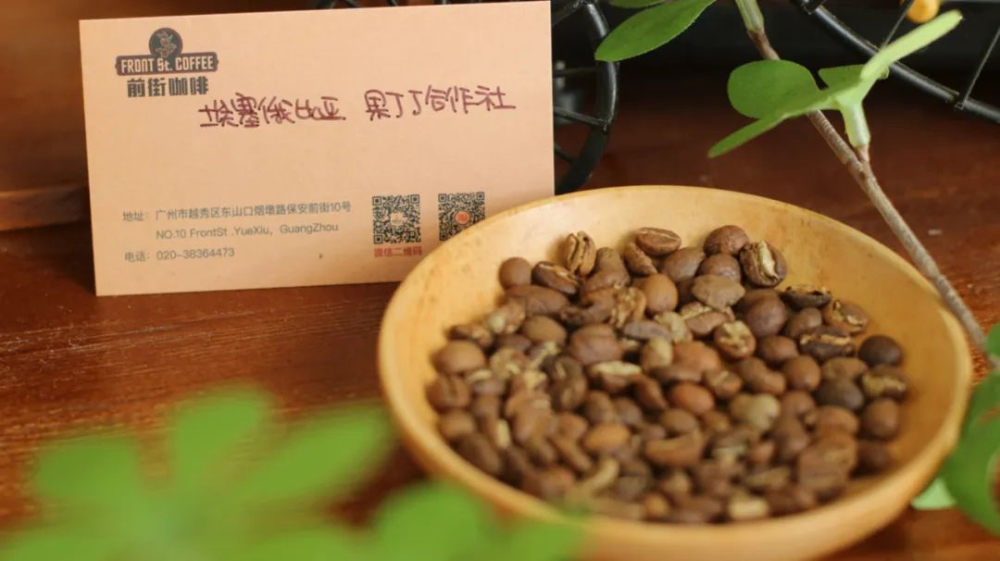 However, drinking the same beans for a long time may eventually become monotonous. In such cases, switching to beans with distinctly different profiles can refresh your palate. If you enjoy prominent fruity and floral notes, you might try certain espresso blends that can bring out the silkiness of cream while releasing berry and cocoa aromas, adding variety to your daily coffee experience.
In summary, pour over single-origin coffee and espresso differ significantly in bean selection, roast level, and brewing method. Single-origin beans are better suited to showcasing the unique terroir and varietal characteristics of a single region, offering fresh and varied flavors ideal for slow pour over enjoyment; whereas espresso beans focus on stability and balance, achieving rich and bold tastes through blending and medium-to-dark roasting, making them the perfect match for milk-based coffee. Understanding these basic principles, combined with your personal taste preferences, will allow you to more easily select coffee beans that suit you and enjoy the pleasure of each brew.
The above content is compiled by CoffeeHunters, a coffee news website.


