







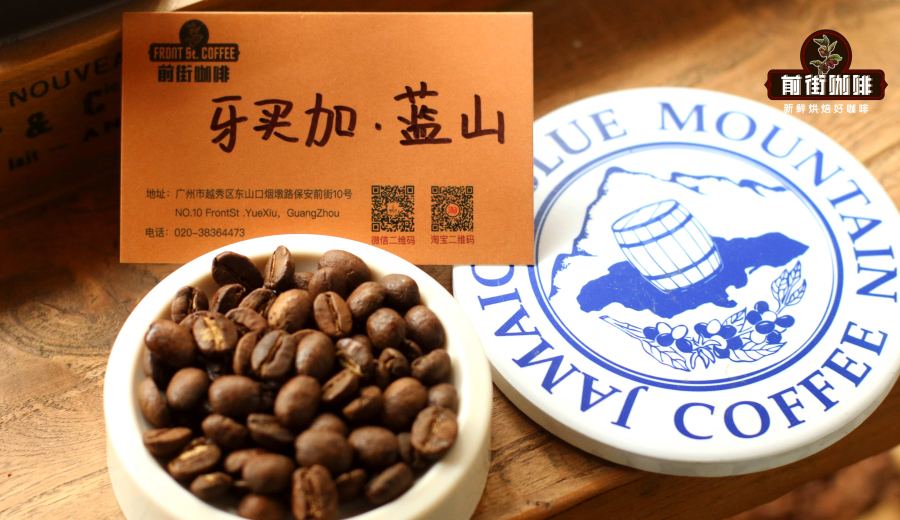
Introduction:Blue Mountain coffee is renowned worldwide, but many products labeled as "Blue Mountain" often fall short of expectations. This article focuses on the No.1 grade beans from the Clifton Estate in Jamaica’s Blue Mountain region, offering an in-depth look at the altitude classification, grading system, and CIB official certification mechanism of the Blue Mountain growing area. It clarifies the differences between "Blue Mountain flavor," "Jamaican coffee," and authentic No.1 grade beans. Additionally, it provides expert pour over bean selection advice and flavor profiles to help you discern authenticity and choose the right Blue Mountain beans.
When it comes to specialty coffee, "Blue Mountain coffee" is almost synonymous with quality, yet consumers often face a dilemma: is what’s in the cup truly Blue Mountain? Many products on the market claim to have a "Blue Mountain flavor," but may actually be made from beans with only a similar taste profile—or may contain no Blue Mountain-grown coffee at all. Using the No.1 grade beans from the Clifton Estate in Jamaica’s Blue Mountain as an example, this article takes you through the region’s definition, grade classification, and certification system to fully explore the essence of Blue Mountain coffee, along with practical pour over bean selection tips.
The Blue Mountains are located in eastern Jamaica, surrounded by the Caribbean Sea. On clear days, sunlight reflecting off the sea casts a captivating blue haze over the mountain peaks, hence the name "Blue Mountain." This mountainous region boasts fertile volcanic soil, high humidity, and frequent misty rains, all of which contribute to its unique coffee flavor. Based on altitude, Blue Mountain coffee is divided into three categories: beans grown below 1,500 feet are classified as "Jamaican coffee," those from 1,500 to 3,000 feet as "High Mountain coffee," and only coffee grown between 3,000 and 5,000 feet qualifies as "Blue Mountain coffee." Among these, No.1 is the highest grade within the Blue Mountain classification.
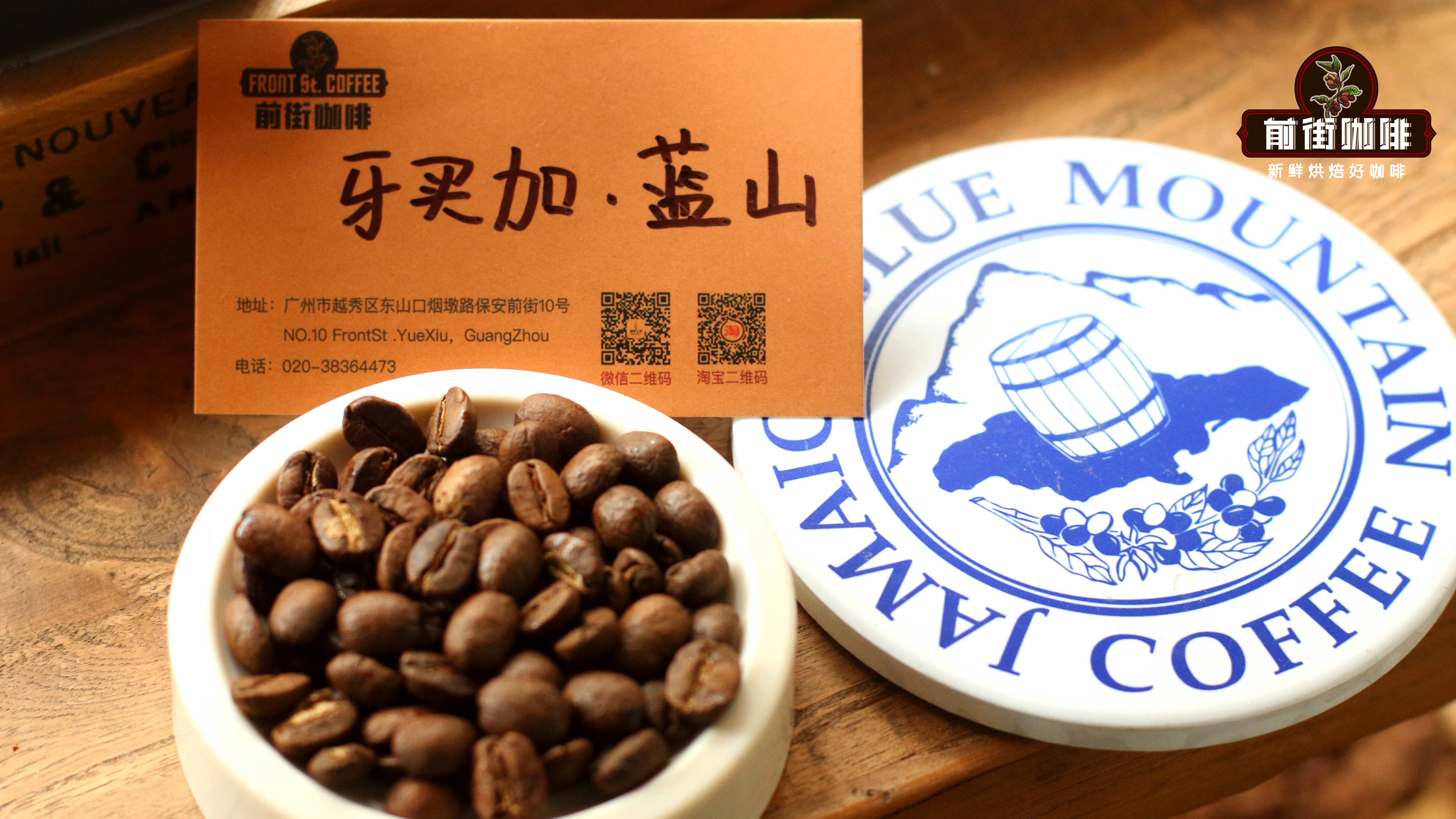
The certification and regional management of Blue Mountain No.1 are strictly overseen by the Jamaica Coffee Industry Board (CIB). Established in 1948, the CIB legislates the production and export of Blue Mountain coffee, clearly defining that it must come from the designated area between 3,000 and 5,000 feet, and is graded into four categories: No.1, No.2, No.3, and peaberry. Among these, No.1 requires the fewest defects and the most uniform bean size, making it the market-recognized highest quality grade. The main producing regions are currently concentrated in well-known estates such as Wallenford, Mavis Bank, Old Tavern, and RSW Estate, with Wallenford being the only state-owned processing facility directly operated by the Jamaican government, renowned for its rigorous quality control and consistent flavor profile.
The Wallenford estate processes only Blue Mountain coffee cherries grown at altitudes above 4,000 feet, following an extremely strict quality process. Its Blue Mountain No.1 beans are often rated as "Superior Quality," with a rich, wine-like mouthfeel and layered notes of nuts, chocolate, toffee, cream, and caramel. The acidity is bright yet not harsh, and the aftertaste is long-lasting. This distinctive flavor has made it a premium choice among Japanese coffee connoisseurs and one of the most expensive coffees in the world.
The history of Blue Mountain coffee dates back to 1728, when coffee was first introduced to Jamaica, with plantations gradually expanding from St. Andrew. By 1737, annual production had reached 83,000 pounds, and in the early 19th century, there were as many as 686 plantations. However, after the abolition of slavery, labor costs soared and the number of plantations sharply declined. Coupled with the lack of unified quality standards in the late 19th century, export quality became inconsistent, to the point that major importing countries like Canada refused Blue Mountain coffee in 1943. To salvage its reputation, the Jamaican government implemented three reforms in 1944: centralized processing, establishment of quality standards, and the creation of the CIB for dedicated management. The CIB officially began operations in 1948 and legislated the definition and growing region of Blue Mountain coffee.
Under CIB regulations, designated legal estates—including Wallenford—are responsible for centralized processing to ensure consistent quality. The export grades of Blue Mountain coffee are categorized into No.1 to No.3 and peaberry, with No.1 being the highest grade. Since 1960, Wallenford has also taken on some management functions, becoming the core of CIB’s quality control. Its Blue Mountain coffee packaging often bears the label "Wallenford Estate Jamaica Blue Mountain Coffee," symbolizing the guarantee of the highest grade.
It’s worth noting that to uphold the reputation of Blue Mountain coffee, the Jamaican government has in recent years actively promoted local roasting and original packaging for export, reducing the outflow of green beans to prevent counterfeit flavored coffee. When purchasing, consumers can look for three official certification marks: the official registered logo of the Jamaica Coffee Industry Board, the BLUE MOUNTAIN COFFEE? trademark, and the WALLENFORD COFFEE COMPANY registered trademark, to ensure they are buying genuine products.
If you’d like to try pour over brewing with Blue Mountain No.1, it’s recommended to choose a medium-dark roast (such as the Clifton Estate No.1 introduced in this article), which highlights its rich mouthfeel and sweetness. The grind size should be medium-fine (similar to granulated sugar), with water temperature controlled at 90–93°C. Use a two-stage extraction method (for example, brewing around 500ml of water with 30g of coffee grounds, poured in two steps), which can fully bring out the layers of nuts, chocolate, and caramel. Avoid excessively high temperatures or too coarse a grind, which may diminish its delicate flavors.
In summary, Blue Mountain No.1 is not only defined by strict altitude and grade standards, but also represents the pinnacle of Jamaican coffee craftsmanship and historical heritage. Understanding these key aspects—from regional certification to flavor characteristics—can help you identify authenticity and select the finest Blue Mountain specialty beans for your pour over brew.
The above content is compiled by CoffeeHunters, a coffee news website.


