







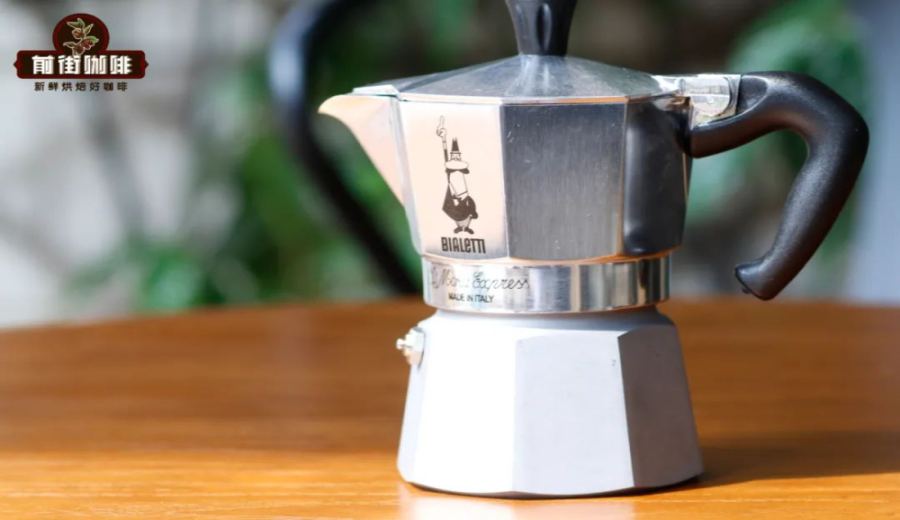
Introduction:The Moka Pot is a classic Italian household tool for making espresso-style coffee, using a simple structure and 1-2 bar of pressure to extract rich flavors. This article provides an in-depth analysis of the Moka Pot’s structure, working principle, and common mistakes, offering a detailed practical guide covering coffee-to-water ratio, grind size, and brewing time. It also recommends medium to dark roasted blends that are well-suited for the Moka Pot, helping you consistently brew delicious coffee at home.
Since its inception in 1933, the Moka Pot has quickly become an essential tool in Italian kitchens due to its ease of use and ability to mimic the extraction performance of an espresso machine. This brewing device uses low-pressure steam at 1-2 bar to push heated water through a bed of coffee grounds, extracting a concentrated and flavor-rich coffee liquid. This article will give you a comprehensive understanding of the Moka Pot’s structure, brewing principle, correct usage methods, and common precautions, and based on different coffee preferences, it recommends suitable coffee bean choices to help you brew espresso-style coffee with an Italian flair at home.
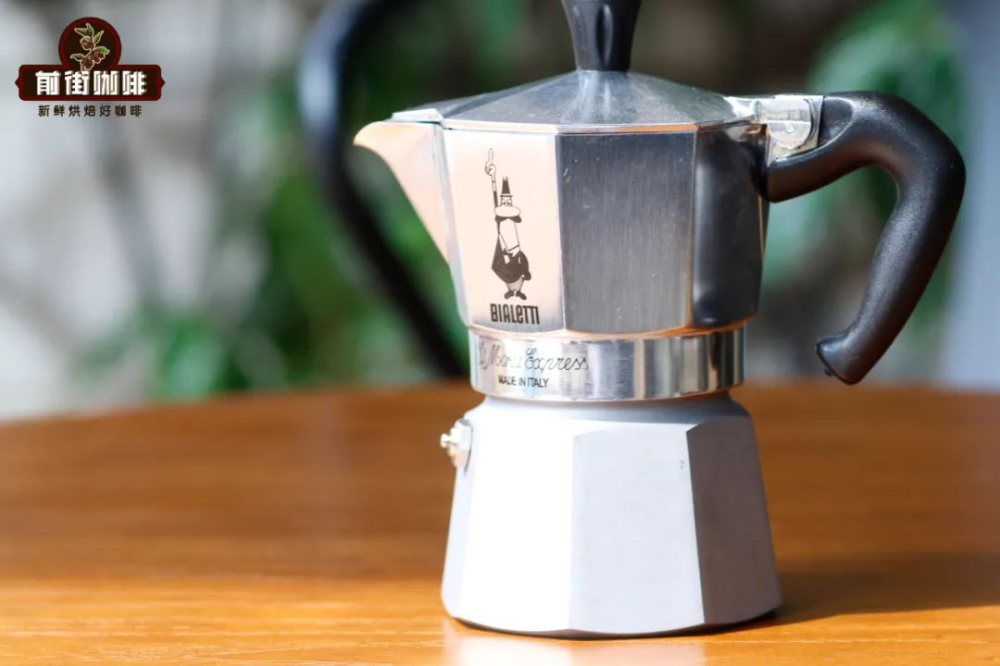
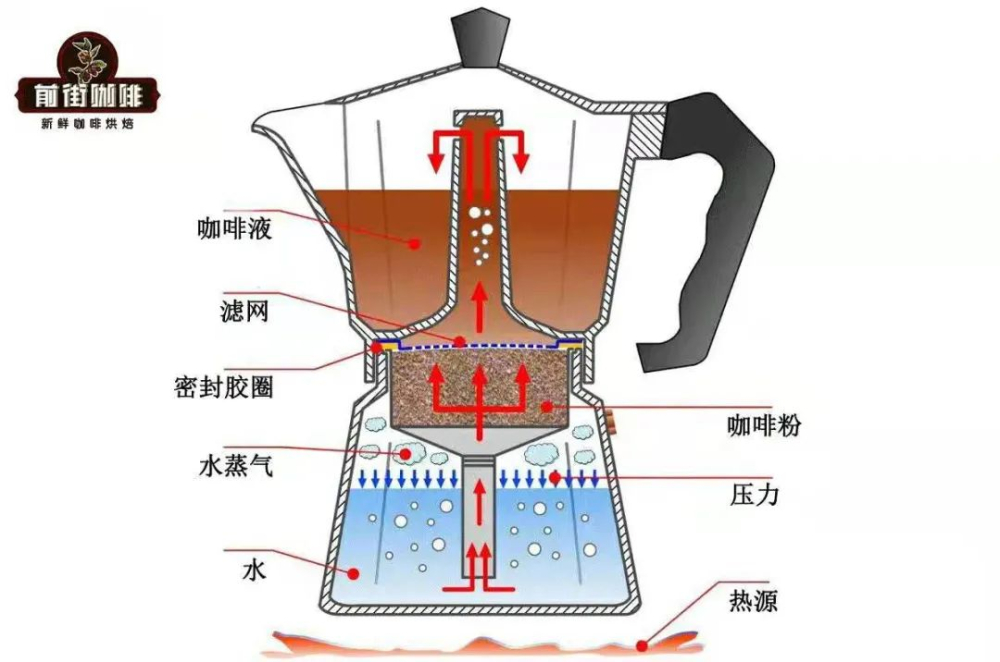
The basic structure of a Moka Pot consists of three main parts: the lower water chamber (bottom chamber), the middle coffee grounds chamber (filter basket), and the upper coffee collection chamber (top chamber). These components are tightly connected via metal tubes and seals. When heated, the water in the bottom chamber heats up, generating steam and pressure that pushes the water upward through the filter basket, passing through the coffee grounds to form espresso, which is then collected in the top chamber. Among these,the safety valve marks the maximum water level limit.If the water level exceeds this point, a clogged filter basket may cause excessive pressure, leading to potential danger. In addition, Moka Pots can be categorized into single-valve and double-valve types based on their valve design. The single-valve type is suitable for everyday home use, while the double-valve type can further enhance pressure and flavor intensity.
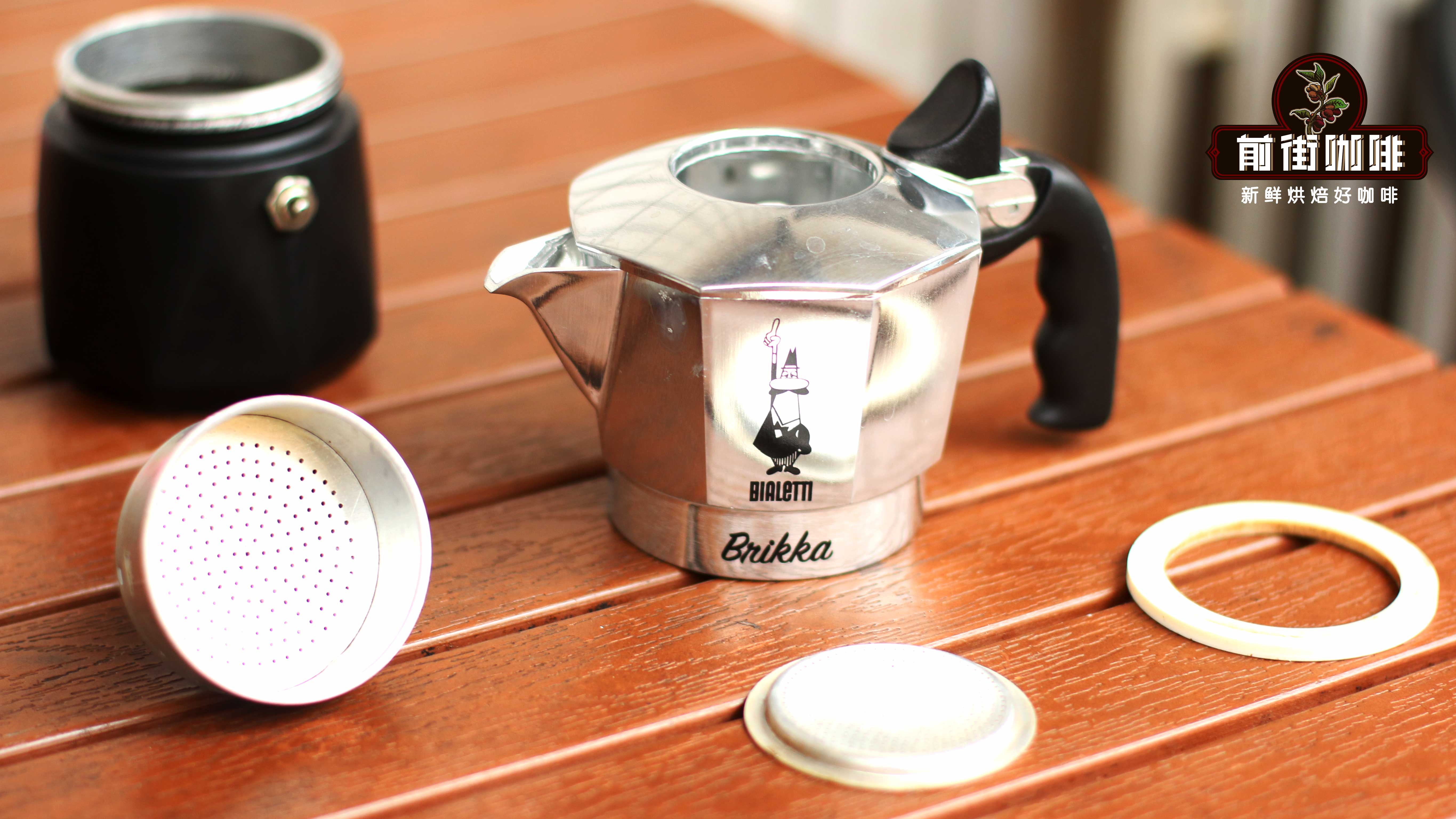
When using a Moka Pot, controlling several key parameters is extremely important: the grind size of the coffee grounds should be similar to that of fine sugar. A grind that is too fine can lead to channeling and over-extraction, while one that is too coarse may cause the water to flow too quickly, resulting in under-extraction. The coffee grounds should be evenly distributed in the basket, but avoid pressing them down forcefully, as this can affect water distribution and cause "channeling," where some areas are over-extracted while others are under-extracted. Moreover,it is recommended to use medium to dark roasted coffee beans.These beans have intense flavors and a full body, which pair perfectly with the high-pressure extraction conditions of the Moka Pot, avoiding the excessive acidity that light-roasted beans may produce under high temperature and pressure.
In practical operation, start by grinding 20 grams of coffee beans into a medium-fine powder, ensuring the particle size is fine enough to slow down the water flow but not so fine that it becomes overly dense. Pour cold water into the bottom chamber, and make sure the water level does not exceed the bottom safety valve. If you want to speed up the brewing process, you can also use lukewarm water close to room temperature instead of cold water. Next, fill the filter basket with the coffee grounds and gently shake it to level the surface, butdo not tamp the grounds with a tamperto avoid affecting extraction evenness. Then, tightly attach the top and bottom chambers, and begin heating over medium-low heat. Keep the lid open during heating, and once coffee starts to emerge in the top chamber, reduce the heat. When the coffee flows out steadily, turn off the heat and quickly cool the Moka Pot with a damp towel to prevent over-extraction.
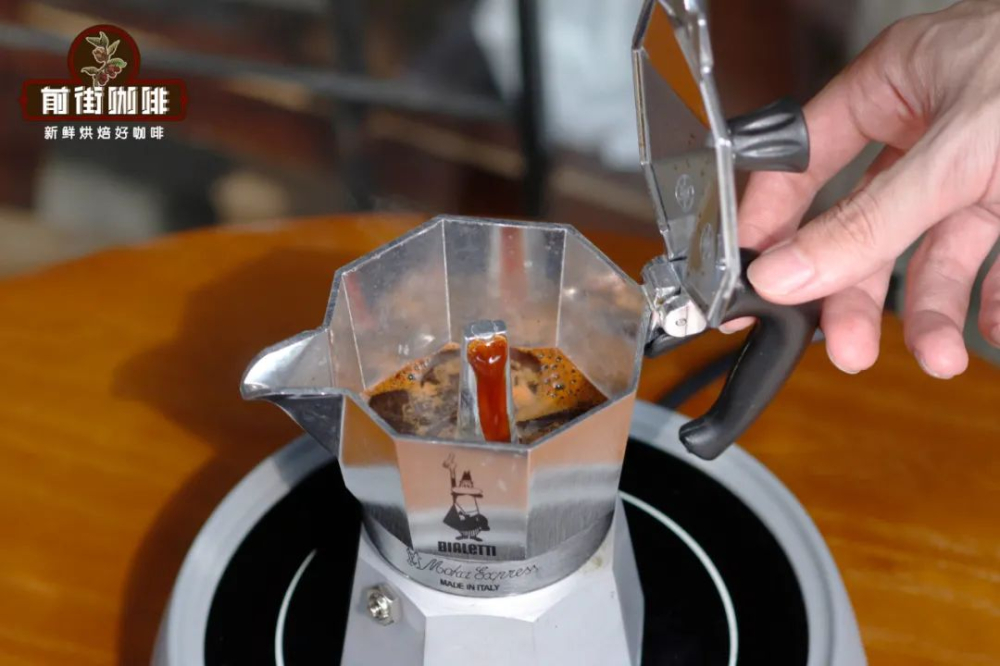
Post-use cleaning is equally important. It is recommended to wait until the Moka Pot has completely cooled down before disassembling and rinsing it. Avoid using dishwashers, strong detergents, or steel wool, which may damage the pot or its seals. Particularly, the rubber gasket and metal washers should be gently removed and rinsed with water after use to ensure there is no residue of coffee oils or grounds. Aging or deformation of these components can lead to leaks or abnormal pressure. In addition, regularly checking whether the safety valve is clear is also a necessary step to ensure safe usage.
Regarding coffee bean selection, it is recommended to prioritize freshly roasted medium to dark roasted beans or specialty blends. For example, a classic blend that combines the characteristics of Indonesian Mandheling and Brazilian beans can deliver a rich and balanced flavor, making it suitable as a base for milk-based drinks like lattes. If you prefer single-origin coffee, you might choose beans from Brazil’s high-altitude regions of the Yellow Bourbon variety. These beans, when brewed with a Moka Pot, can exhibit aromas of nuts, cream, and caramel, with a smooth texture and moderate sweetness—perfect for coffee lovers who enjoy rich yet not overly intense flavors.
In summary, to brew a cup of coffee with distinct flavors using a Moka Pot, in addition to mastering the correct grind size, coffee-to-water ratio, and heat control, selecting the right coffee beans is key. With the practical tips and recommended beans introduced in this article, you will be able to operate the Moka Pot with more confidence, enjoy the pleasure of making espresso-style coffee at home, and gradually adjust to the extraction parameters that best suit your taste.
The above content is compiled by CoffeeHunters, a coffee news website.


