








Introduction:The AeroPress combines immersion, paper filtration, and pressure extraction into one, making it simple to use and delivering clean flavors—perfect for beginners and travelers alike. This article explores its working principle, analyzes suitable coffee bean types (including Strawberry Candy, Brazilian Queen Estate, and PWN Golden Mandheling), and uses the high-sweetness Costa Rican Mozart as an example to detail parameters such as dose, grind size, water temperature, and a six-step brewing process. This allows you to easily recreate a rich cup with notes of floral, berries, and chocolate.
The reason the AeroPress is so beloved by coffee enthusiasts lies in its integration of multiple brewing methods: it features the immersion phase of a French press, the precise filtration of paper, and the pressure-based extraction mechanism akin to espresso. By uniformly mixing coffee grounds and hot water, then pressing the piston downward to expel air from the filter cap, the hot water is forced through the paper, extracting a clean and flavorful coffee with minimal off-tastes. If you further refine the grind size and reduce water volume, you can even produce a coffee as intense as espresso.
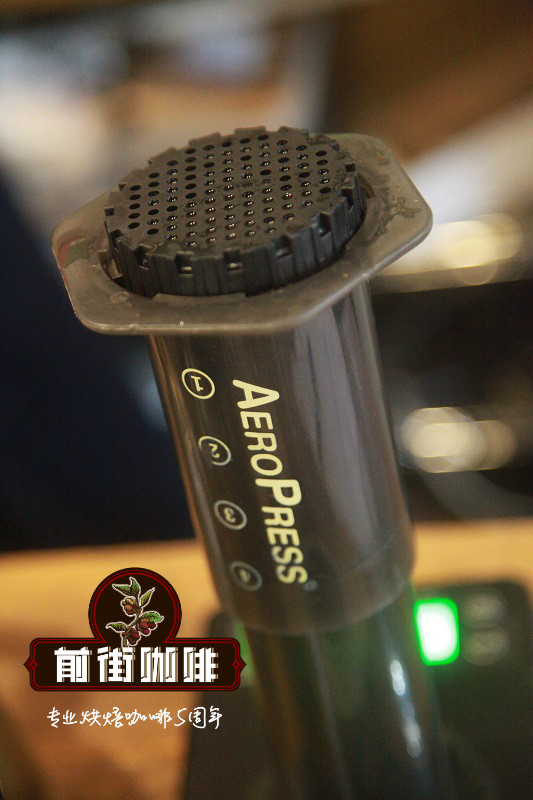
Structurally, the AeroPress mainly consists of three components: the chamber, the filter cap, and the plunger cylinder. It is typically used with paper or metal filters and includes accessories such as a funnel, scoop, and stirring stick. Its simple yet versatile design quickly made it a hit in the coffee community.
Compared to pour over or French press, the AeroPress has a much gentler learning curve. A French press requires a burr grinder for consistent grind size, while pour over demands precise pouring techniques. The AeroPress only needs you to pour water, add coffee, and press the cylinder—done. Additionally, it’s compact and durable, with the plastic version being especially travel-friendly.
Another advantage of the AeroPress is its fast brewing speed; there’s no need for long immersion or complicated pouring techniques. Once the water boils, the whole process takes about 60 seconds to produce a cup. Cleaning is also effortless—just open the filter cap, remove the puck-like coffee grounds, and rinse quickly. Unlike a French press, there’s no need to deal with leftover grounds.
Due to the shorter extraction time in the AeroPress—where coffee grounds have less contact with water compared to pour over or French press—it’s recommended to choose beans with distinct and easily recognizable flavor profiles. For example, Strawberry Candy beans exhibit pronounced rose floral notes and raisin tones; if you prefer lower acidity, Brazilian Queen Estate offers creamy and nutty flavors; and for a bold, full-bodied cup, PWN Golden Mandheling is an excellent choice.
The specific parameters used in this demonstration are as follows:Coffee dose: 18 grams,Grind size: 90% through a #20 mesh sieve (equivalent to EK43s setting 7),Brew ratio: 1:11 (total water volume approximately 200 ml),Water temperature: 90°C, using inverted method.
Brewing steps:
1. After assembling the plunger and chamber, pre-compress the plunger to around mark ④, then invert the entire cylinder.
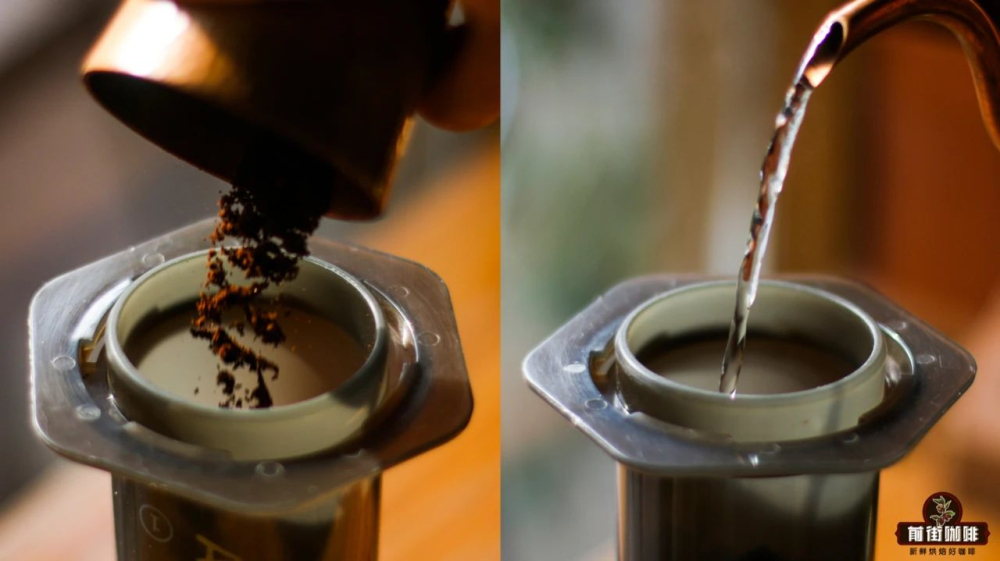
2. Add the ground coffee, then pour an equal amount of hot water, and start the timer immediately.
3. Use a stirring stick to slowly stir the coffee grounds in a circular motion for about ten seconds to ensure even extraction.
4. Attach the filter cap with the paper filter to the top of the chamber.
5. Place the receiving vessel on top.
6. After about one minute, invert the entire setup and slowly press the plunger down to “push” the coffee out.
Following the above process to brew the Costa Rican Mozart yields a cup that opens with intense pink floral and ripe berry aromas, followed by layers of sweet orange, cream, raisins, and preserves, with a lingering chocolatey sweetness in the finish. The overall profile is well-balanced, rich, and leaves a memorable coffee experience.
The above content is compiled by CoffeeHunters, a coffee news website.


