







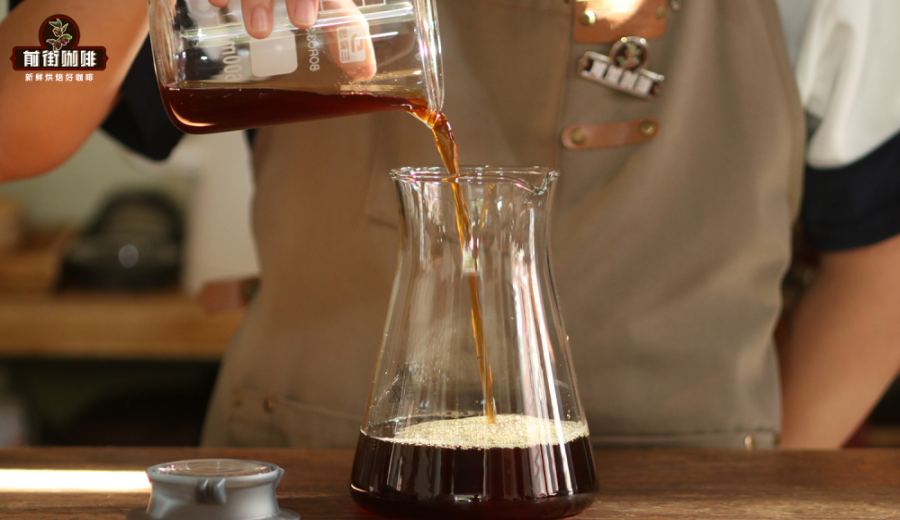
Introduction:Cold drip and cold brew coffee, with their low-temperature extraction characteristics, have gradually become new favorites among many coffee enthusiasts. However, to brew a cup of cold-brewed coffee with rich layers and outstanding flavor, there’s an art to it—from selecting beans, matching equipment, to storage methods. This article will delve into the basic principles of cold drip and cold brew, the types of single-origin coffee beans that are suitable, the impact of low-temperature extraction on flavor, and also provide creative additions and safe refrigeration duration suggestions, helping you easily master the tricks to making delicious cold-brewed coffee at home.
In recent years, cold drip and cold brew coffee, both forms of low-temperature extraction, have gained increasing popularity. Whether you’re seeking a refreshing taste or want to experience different layers of flavor, these types of cold-brewed coffee can meet your needs. However, many people still have questions about choosing the right coffee beans, what equipment to use, how long it can be stored, and how to create creative flavors. This article will start with the extraction principles of cold-brewed coffee, analyze the differences between cold brew and cold drip, recommend several single-origin coffee beans suitable for different flavor preferences, explore the impact of low-temperature fermentation on taste, as well as creative ways to enjoy it with additions such as dried petals, and offer recommended refrigeration durations to help you brew surprisingly good cold-brewed coffee at home.
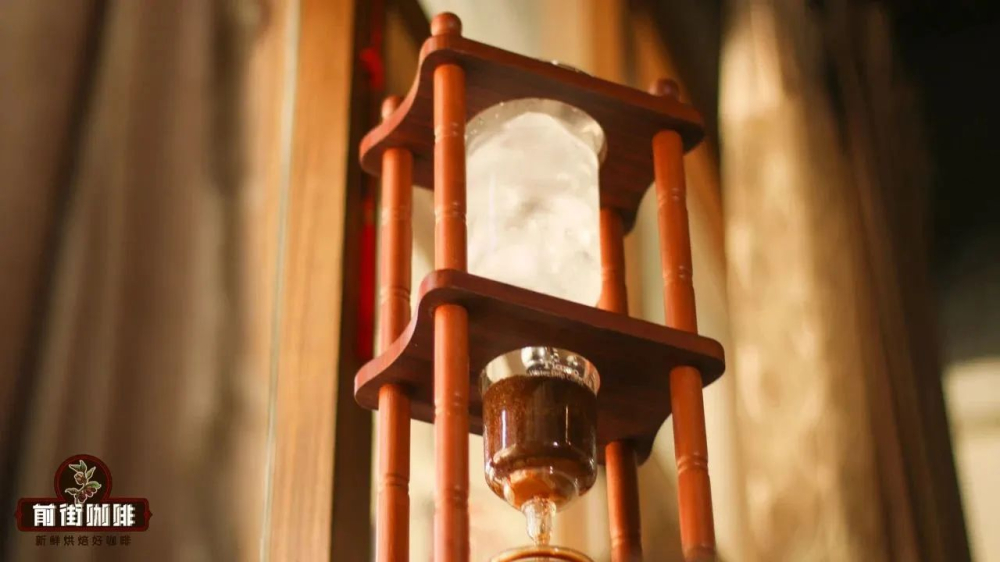
Both cold drip and cold brew fall under the category of low-temperature extracted coffee, but their biggest difference lies in the extraction method. Cold brew involves steeping coffee grounds in cold water, usually maintained at a temperature between 0 to 7°C, for about 12 to 24 hours; whereas cold drip allows melted ice water to drip drop by drop through a bed of coffee grounds, a process that may take around 6 to 8 hours. If we compare it to hot coffee brewing methods, cold brew is more similar to immersion-style brewing using a French press or a clever dripper, while cold drip is closer to the drip filtration style of pour over, hence the two also show clear differences in taste presentation. The former typically has a smoother, more balanced mouthfeel, while the latter offers clearer layers and a more delicate flavor expression.
The reason low-temperature extraction is favored is mainly because, in a low-temperature environment, the extraction efficiency is lower, meaning fewer of the large molecular substances that tend to cause bitterness and astringency are released. As a result, the final product often has a more refreshing taste, while also preserving more of the pleasant flavors such as acidity, sweetness, and fruity notes. This is one of the reasons why many coffee drinkers who prefer a refreshing taste are particularly fond of cold drip and cold brew.
Equipment selection: simple or professional?
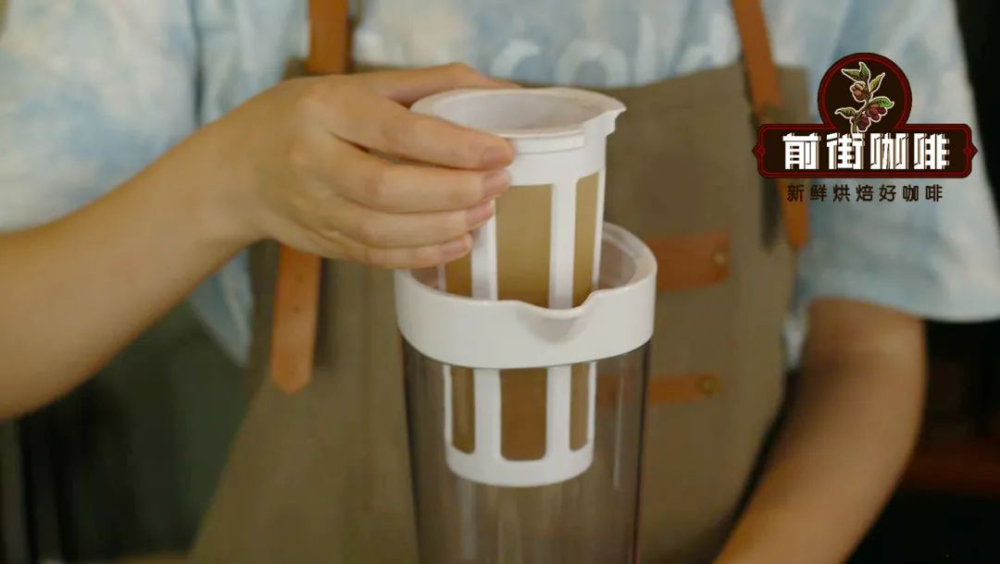
If you want to try making coffee shop-quality cold drip or cold brew coffee at home, it’s recommended to choose the appropriate equipment based on your needs. For cold brew, you don’t necessarily have to buy a specialized cold brew maker—as long as you have a clean, sealable container, you can get started, which also helps save on costs. However, if you wish to control the extraction more precisely, using dedicated cold brew equipment will be more helpful. As for cold drip, since its production process demands higher stability in water drip speed, it’s recommended to use a professional cold drip maker to ensure even dripping speed and avoid affecting the overall extraction quality.
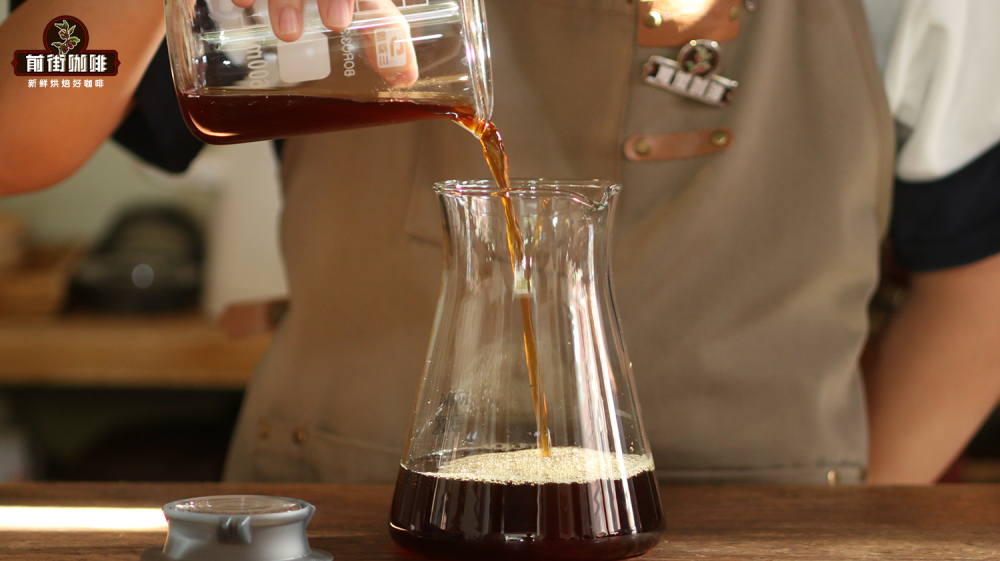
Coffee bean recommendations: choose based on flavor preference
When selecting coffee beans, different roast levels and processing methods greatly influence the final flavor. If you prefer acidic, sweet, and refreshing flavors, you can opt for beans with noticeable fruitiness and a medium to light roast. These beans can showcase richer fruit acids and sweetness under low-temperature extraction. For example, some beans with distinct berry or citrus notes can exhibit delicate fruity aromas and refreshing acidity in cold drip or cold brew. If you desire a more balanced flavor with a mix of acid, sweetness, bitterness, and body, consider choosing medium to medium-dark roasted coffee beans, which generally offer more complete layers of taste. For those who prefer strong, rich flavors, dark roasted beans such as traditional Mandheling or Golden Mandheling are also good choices, delivering a solid body along with intense chocolate or nutty notes.
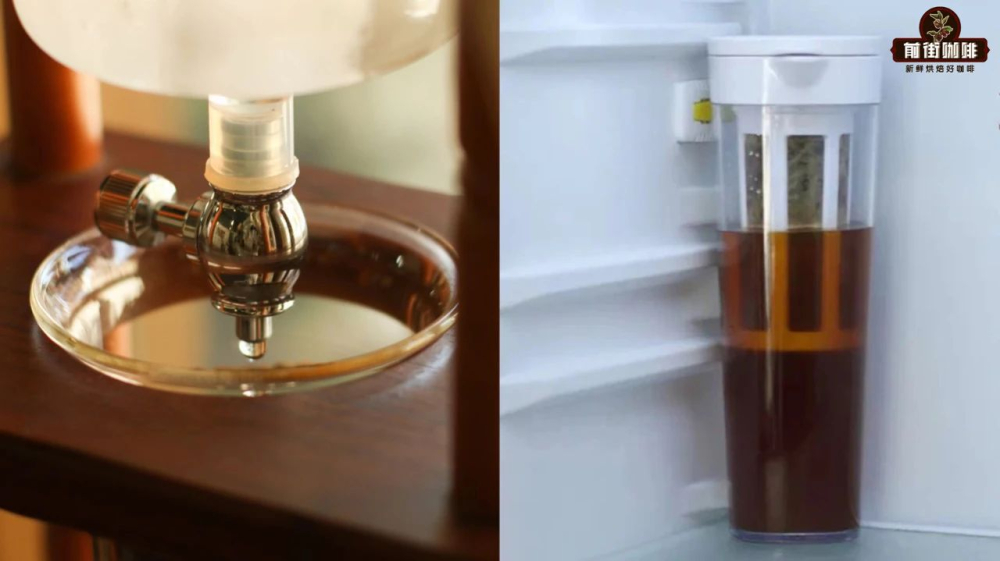
Cold drip coffee is generally recommended to be placed in the refrigerator for an additional 10 to 12 hours after completion, allowing the flavors to meld and become richer. This is because during the cold drip process—especially when carried out at room temperatures between 26 to 28°C—the distribution of extracted substances from the earlier and later stages of dripping is not uniform. Often, the earlier segments have a more concentrated flavor, while the later ones are lighter, leading to an incomplete flavor profile. Pouring the finished cold drip into a sealed glass bottle and letting it sit helps to mix the unevenly concentrated coffee liquid, and fermenting it in a low-temperature environment can further bring out pleasant aromas, making the overall flavor richer and smoother.
For those who want to add creative flavors to their cold drip or cold brew, you can try incorporating some natural additives, such as dried flower petals. Osmanthus, jasmine, and rose are common and easily accessible options. These flowers not only have prominent fragrances but also tend to release enchanting floral scents during low-temperature extraction. However, since dried flowers themselves have relatively light flavors, it’s recommended to pair them with medium to light roasted coffee beans that lean toward floral and fruity profiles—such as beans with noticeable citrus or tropical fruit notes—to complement the floral aroma and create a richer drinking experience.
As for shelf life, cold drip and cold brew, due to being produced and stored at low temperatures, can last longer than hot-brewed coffee. Generally speaking, cold drip tastes best after it has been completed and undergone 12 hours of refrigerated fermentation. It is recommended to consume it within 5 days to avoid over-fermentation or undesirable flavors. Cold brew is best consumed 4 hours after filtering the grounds and refrigerating, and can be kept in the fridge for about 7 days, though it’s still recommended to enjoy it sooner for optimal flavor and safety.
The above content is compiled by CoffeeHunters, a coffee news website.


