







Introduction:Want to understand how cold drip coffee showcases its unique wine-like aroma through low-temperature slow extraction? This article delves into the principles of cold drip, the key timings in fermentation and storage, and provides three tested classic cold drip recipes — from the deep complexity of berries to the refreshing brightness of citrus, and the sweet richness of dark roasts — guiding you to master the ultimate flavor balance of cold drip coffee.
Cold drip coffee is a special brewing method that uses ice water for prolonged low-temperature extraction, which is vastly different from common pour over techniques. Originating from the Dutch colonial period in Java during the 17th century, this method utilizes gravity and condensation to allow water droplets to slowly penetrate the coffee grounds. The entire process often takes six to eight hours. Its most distinctive feature is that in a low-temperature environment, flavor compounds are released more slowly and in a more layered manner. After completion, the coffee is left to mature in the refrigerator for several days, often revealing a complexity similar to that of fermented wine.
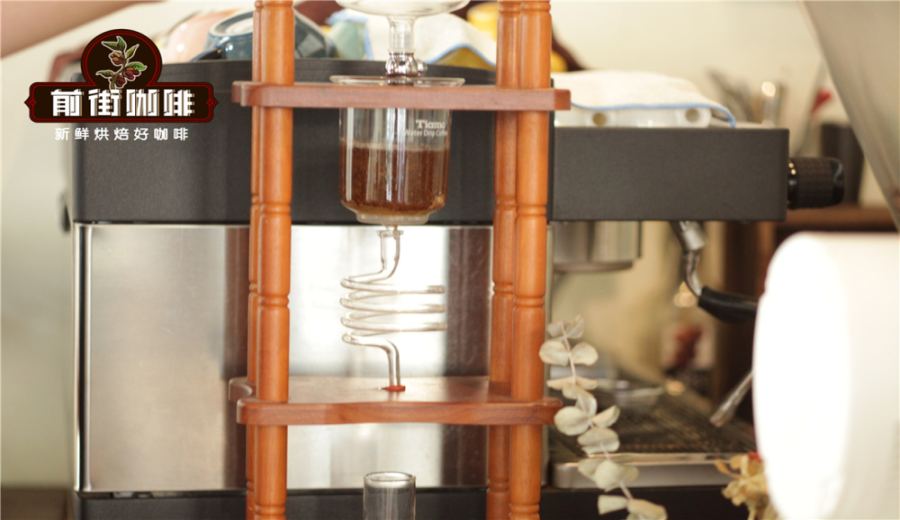
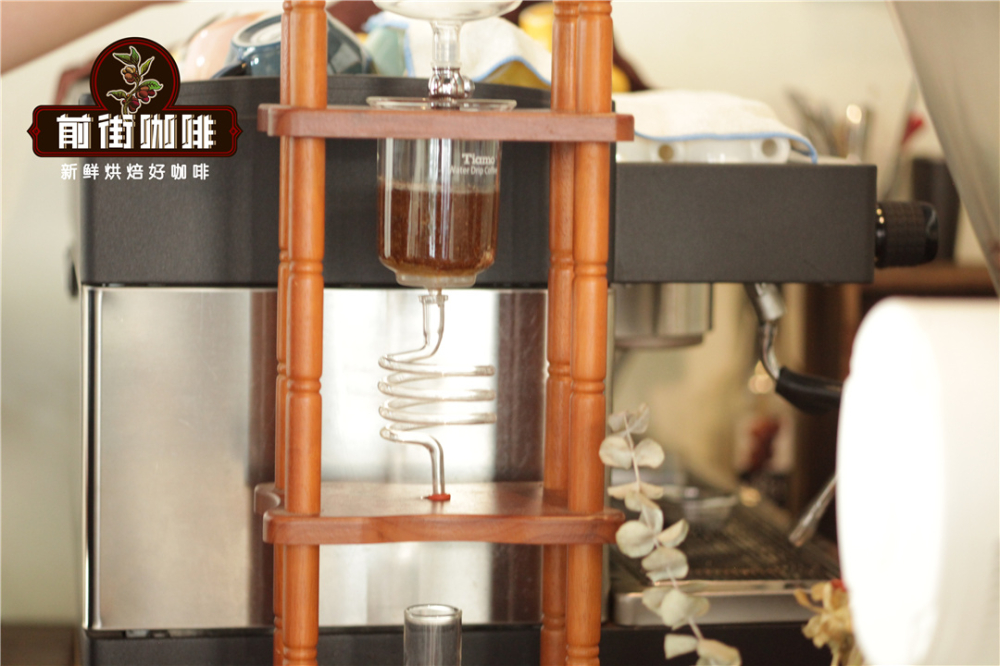
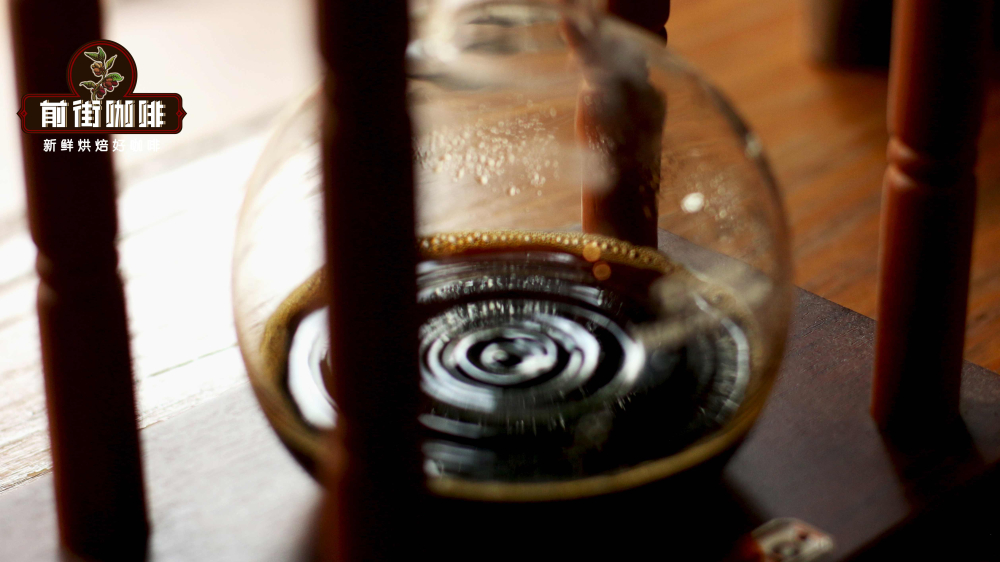
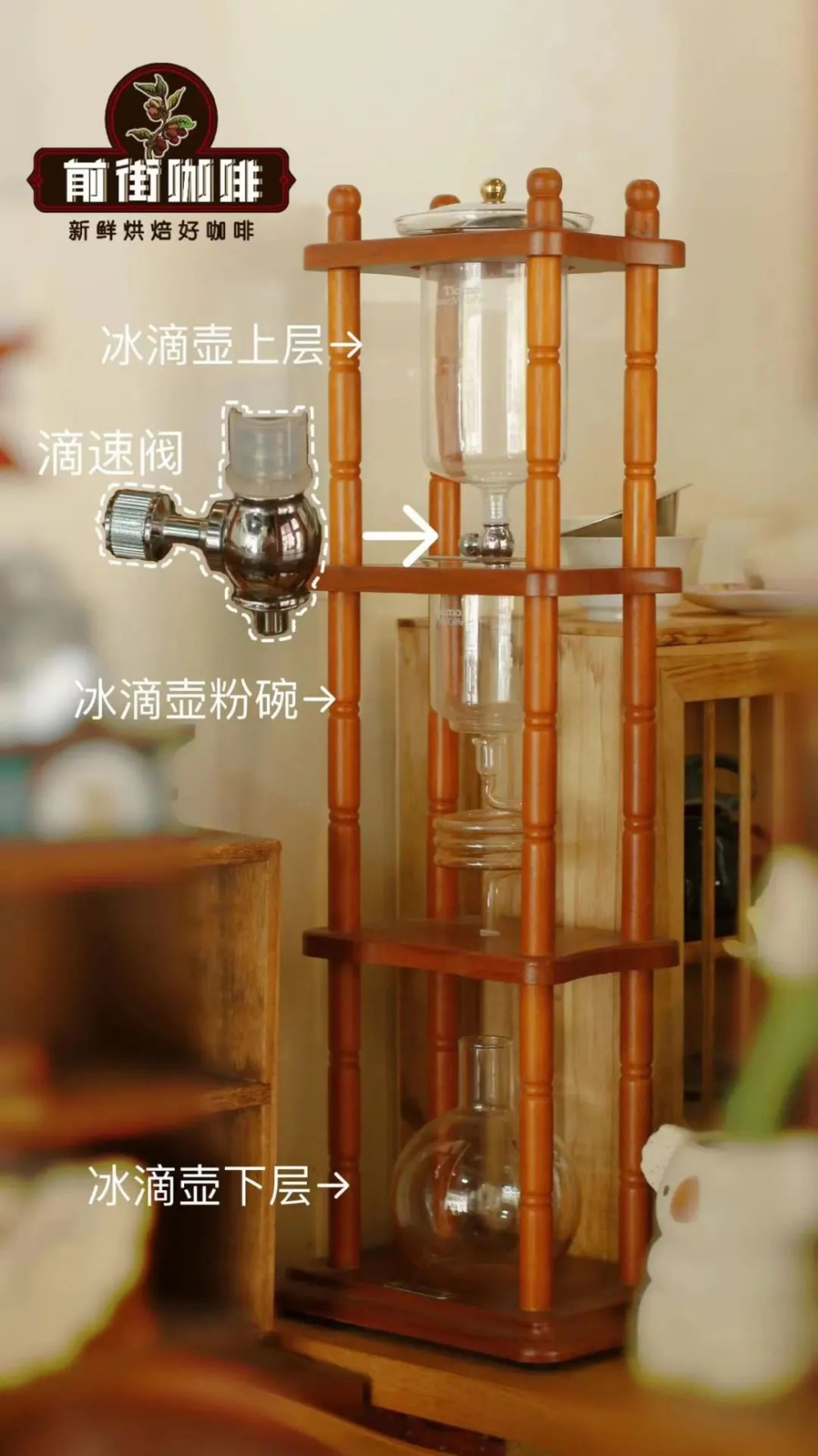
Traditional cold drip equipment usually consists of three to four stacked glass containers, with an adjustable drip rate valve controlling the water flow. It is generally recommended to maintain a dripping speed of 40 to 50 drops per minute, at which rate extracting 1000 milliliters of coffee liquid takes about five to eight hours. The upper part of the device holds an ice-water mixture, the middle layer contains coffee grounds separated by filter paper, and the bottom layer collects the dark liquid that seeps through. Special attention should be paid to laying the filter paper flat to avoid powder directly blocking the dripping holes, which could affect extraction efficiency.
Regarding the storage of cold drip coffee, a common misconception is that the longer it is kept, the better the flavor. In reality, the extracted coffee liquid, when refrigerated at 4 to 6 degrees Celsius, does indeed exhibit the richest aromatic profile between the third and seventh day, during which wine-like ester fragrances can often be perceived. However, professionals recommend the optimal drinking period to be within 72 hours after extraction. Storage beyond one week not only leads to flavor degradation but also poses hygiene risks. If you wish to extend the enjoyment period, you can divide and seal the coffee in airtight containers away from light, but be sure to observe whether the liquid develops any off-odors or sediment.
For different taste preferences, here are three classic cold drip recipes that have been tested in practice: First is the dark berry type, using Costa Rica Mozart coffee beans, whose anaerobic honey processing method gives the beans a natural raisin and blueberry base tone. When extracted via cold drip, the wine aroma is particularly pronounced, with notes of blackcurrant and a slight chocolate finish on the palate. Next is the clean and refreshing type, based on Kenya’s small tomato variety, where the Assalia processing method brings out vibrant lemon acidity and cherry tomato freshness, making it especially suitable for summer chilled consumption, producing a citrus-like burst reminiscent of grapefruit juice. Lastly, there is the sweet and palatable type. Although most shops avoid using dark roast beans for cold drip, Indonesia’s Golden Mandheling, under specific brewing methods, can actually reveal unique charm. After 24 hours of refrigeration, the chocolate bitterness and caramel sweetness reach a perfect balance, with a clean and pure mouthfeel free of impurities.
During actual operation, it is important to note the influence of ambient temperature on the dripping speed. In summer, it is recommended to place the entire setup in a cool spot or add an insulating layer. The coffee grind size should be slightly coarser than that for pour over, roughly equivalent to the medium setting of a French press. Too fine a grind can easily lead to channeling. If using non-specialized equipment, you can assemble your own setup with glass bottles and droppers, but be sure to keep each container layer tightly sealed against leaks. Additionally, first-time users can start with a small batch of 500 milliliters to familiarize themselves with the flavor transitions at each stage before adjusting parameters.
Regarding flavor changes during the fermentation stage, the third day typically begins to show noticeable fruity acidity, the fifth day reaches the peak of aroma, and the seventh day shifts to a richer caramel and nutty base tone. It is recommended to taste a small amount every 24 hours to observe the development trend and record personal taste preferences. If a white film or off-odor appears on the liquid surface, consumption should be stopped immediately. Professional baristas remind us that the sweetness of cold drip coffee is often more prominent than that of hot brews, because the low-temperature environment suppresses tannin release, making the natural sugars more apparent.
In terms of equipment cleaning, disassemble all parts immediately after each use and rinse thoroughly with warm water and a neutral detergent, paying special attention to removing residual coffee grounds from the filter mesh crevices. For long-term use, it is advised to regularly replace silicone seals to prevent aging-related leaks. If you wish to enhance flavor complexity, you can try adding a small amount of cinnamon sticks or vanilla pods to the coffee grounds, but the proportion should not exceed 1% of the total weight, so as not to mask the inherent characteristics of the coffee.
The above content is compiled by CoffeeHunters, a coffee news website.


