







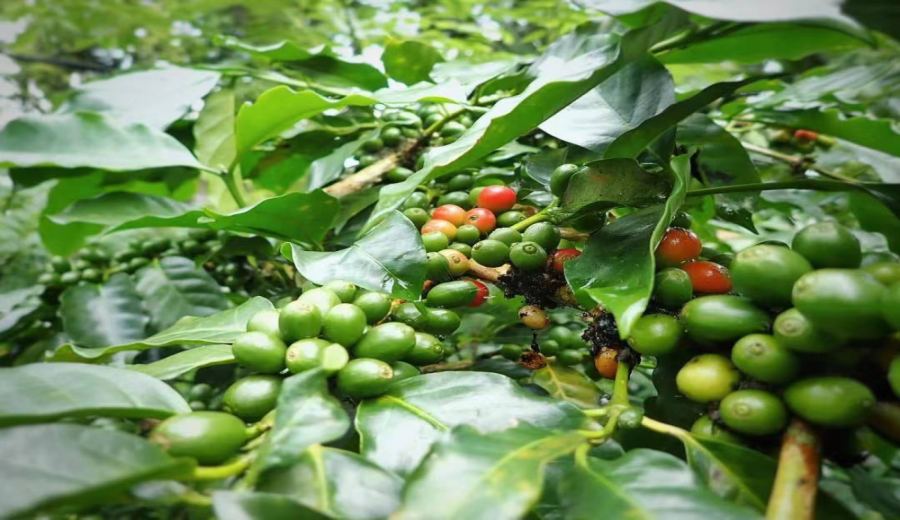
Introduction:Do you know how Yunnan transformed from a soluble coffee raw material base into an emerging specialty coffee region? This article delves into the evolutionary journey of Yunnan’s three major small coffee bean varieties — from the planting background of the first coffee tree in 1904, to the industry shift that made Catimor the dominant variety, and explores the revival efforts of the Typica variety. By examining key parameters such as altitude, climate, and processing methods, we’ll help you grasp the unique flavor profile of Yunnan coffee and the essentials for selecting it.
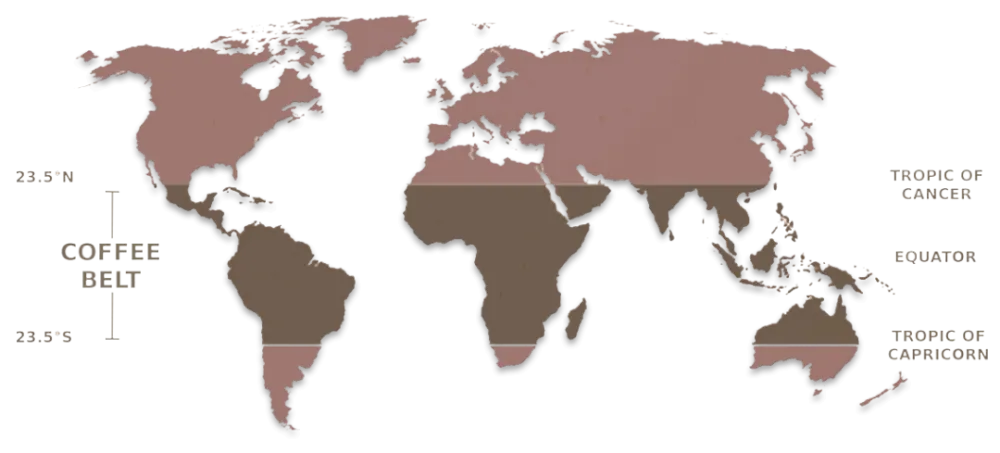
Pu’er in Yunnan is gradually transitioning from a bulk raw material supplier to a specialty coffee region, attracting investments from Starbucks, emerging entrepreneurs, and local brands. Its golden growing conditions play a significant role — located near the Tropic of Cancer, the altitude and microclimate perfectly meet the needs of coffee tree cultivation. From the first coffee tree planted by French missionaries in Zhukula Village to the current dominance of the Catimor variety, Yunnan coffee has gone through three important development stages.
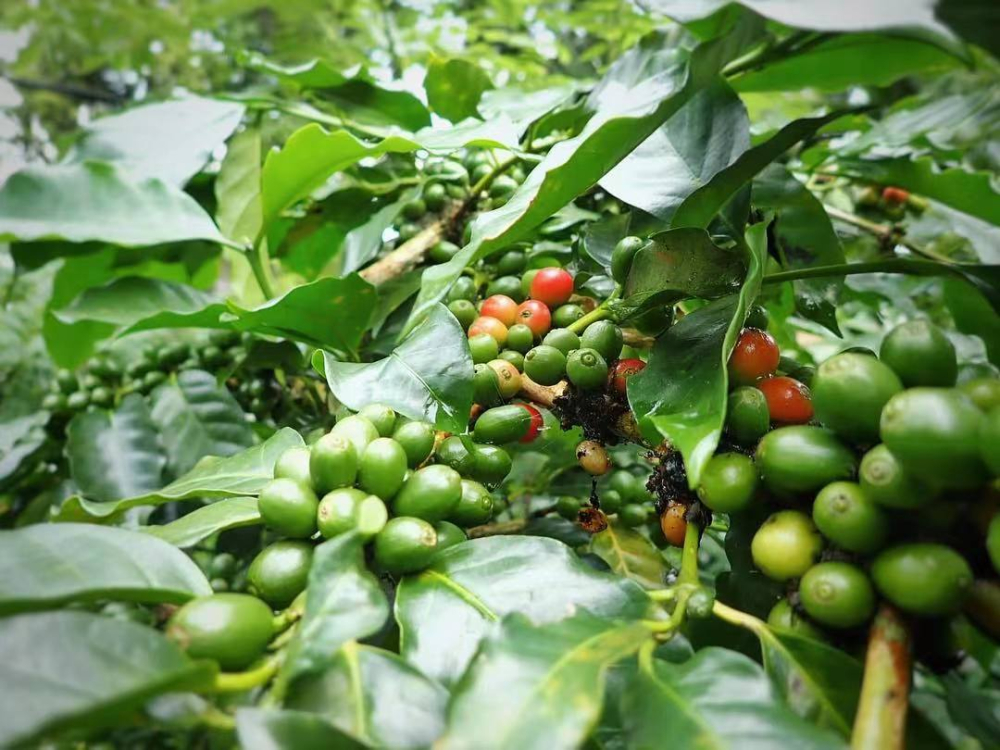
The earliest record of coffee cultivation on the Chinese mainland dates back to 1904, when French Catholic missionary Timothée Pernot introduced the first batch of coffee seedlings while establishing a church in Zhukula Village, Binchuan. These Typica variety coffee trees, originally from Central and South America, were initially for the personal consumption of the missionaries. It’s worth noting that Yunnan and Taiwan are among the few regions in China that meet the conditions of the “coffee golden belt,” boasting both suitable altitude and climate characteristics.
The first wave of industrial development occurred in the 1950s–60s, when Yunnan’s state farm system primarily grew coffee to repay foreign debts. The main varieties included native Typica and a small number of Bourbon variants. Major producing areas were distributed across high-altitude farms such as Ludian in Baoshan and Zhefang in Dehong, with annual output mainly supplied to Eastern European markets. However, as the loan repayment mission ended and leaf rust disease led to large-scale uprooting, the planted area once shrank to less than 3,000 mu.
The second turning point came in 1988, when Nestlé introduced the disease-resistant Catimor variety. This hybrid (developed by Portugal’s CIFC, combining Timor and Caturra), merged Robusta’s disease-resistance genes with Arabica’s flavor potential, achieving a yield three times that of Typica. Although some batches of Catimor may exhibit earthy aftertastes (as noted by Taiwanese coffee expert Han Huai-Zong), its stable output gradually replaced traditional varieties, at one point accounting for over 90% of Yunnan’s total production.
The third wave of specialty coffee began in 2000, alongside the global rise of the specialty coffee movement. Modern growers started prioritizing processing innovation and varietal selection. Emerging regions like Lincang gradually showcased regional characteristics through high-altitude cultivation (above 1,000 meters) and sun-drying methods. A brand’s experimental estate in Lincang serves as a prime example — the area, with an average annual temperature of 17°C and distinct dry and wet seasons, employs elevated-bed sun-drying techniques with daily turning to effectively enhance sugar conversion efficiency.
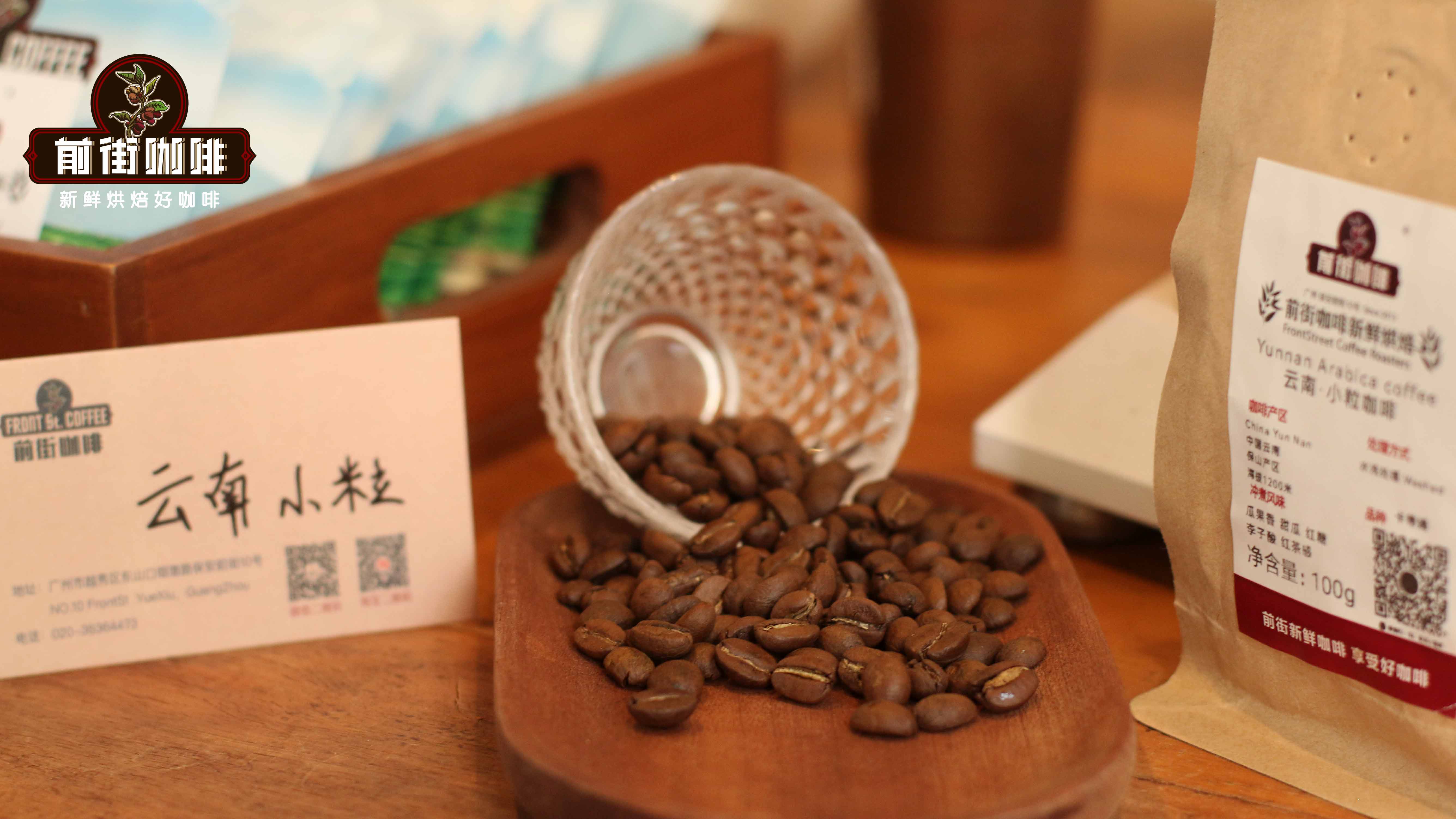
On varietal characteristics: Typica beans are small in size, hence known as “small-grain coffee,” contrasting with the medium-grain Robusta of Hainan. Their sun-dried versions often exhibit pronounced caramel sweetness and red wine aromas. Though Catimor may carry subtle spicy notes due to its Robusta genes, modern cultivation techniques have greatly improved flavor stability. Washed Catimor, with medium-to-light roasting, typically presents a balanced profile of nuts and dark chocolate.
Practical advice: When selecting Yunnan coffee, consider three key indicators — growing altitude (preferably above 1,200 meters), processing method (sun-drying enhances sweetness / washing improves clarity), and roast level (medium roast highlights floral-fruity notes / dark roast emphasizes body). For first-timers, a medium-roasted washed Catimor is recommended — its chocolate-and-nut base is more approachable.
The above content is compiled by CoffeeHunters, a coffee news website.


