







Introduction:Choosing the right commercial coffee beans is one of the keys to running a successful café. But with so many types of industrial, commercial, and specialty coffees on the market, how do you make the right choice? This article takes an in-depth look at the differences among these three major categories, including evaluation criteria such as growing altitude, screen size, and defect ratio, and introduces the traceability features and terroir characteristics of estate-grown coffees. Finally, it recommends several high-cost-performance commercial beans to help you make an informed decision.
In the diverse world of coffee beans, many café owners and coffee enthusiasts often share a common question: which brand of commercial coffee beans should they choose? And which beans are truly suitable for commercial use? To answer these questions, the first priority is to understand the basic definitions and practical usage differences among industrial coffee, commercial coffee, and specialty coffee. This article will detail the classification standards of these three types of coffee, delve into the evaluation system of specialty coffee in aspects such as growing altitude, screen size, and defect ratio, while also introducing the traceability mechanism of estate coffee and the unique terroir characteristics it demonstrates. Finally, taking the commercial product line of a well-known roaster as an example, it offers suggestions for high-quality and cost-effective choices.
Commercially available coffee can generally be divided into three categories: industrial coffee, commercial coffee, and specialty coffee. Their classification is mainly based on bean composition and quality positioning. Industrial coffee is almost entirely composed of Robusta beans, typically used as the main ingredient for instant coffee. Commercial coffee, on the other hand, is a blend of beans from various regions or varieties, commonly used as the base for espresso, such as the popular Mocha Java blend. Its goal is to ensure stable flavor and a rich crema layer. Specialty coffee belongs to high-quality single-origin Arabica beans, such as Mandheling, Golden Mandheling, Mocha, Kenya AA, Yirgacheffe, Hawaiian Kona, etc. These coffees emphasize regional characteristics and delicate flavors.
The evaluation system for specialty coffee covers three core indicators: first is the growing altitude. Generally speaking, the higher the altitude and the lower the temperature, the slower the coffee cherries ripen, resulting in better expansion of the fruit and more uniform reactions during roasting, leading to naturally superior bean quality. However, some low-altitude regions such as Jamaica Blue Mountain and Hawaiian Kona, thanks to their unique climatic conditions—such as morning fog, significant day-night temperature differences, suitable rainfall and soil environments, along with strict manual harvesting and defect removal processes—can also produce coffee of exceptional quality. It’s worth mentioning that even in Taiwan, as long as the planting environment is appropriate and post-harvest processing is rigorous, both high-altitude and low-altitude areas have the potential to cultivate high-quality coffee beans. However, it is also necessary to clearly explain the regional characteristics and processing methods to consumers to highlight their value.
The second factor is screen size. This method grades beans according to their physical size. It is widely believed that larger-sized beans tend to have more complex flavor profiles and are easier to control in terms of flavor development during roasting. However, some local producers in Taiwan, due to limited production, lack of relevant equipment, or insufficient grading awareness, often result in vague or incomplete grading labels. This remains an area in the industry that urgently needs improvement. Honestly disclosing whether the beans have been screened and graded helps build consumer trust and ensures product transparency.
The third criterion is a composite evaluation method that takes into account both screen size and defect ratio. This is a commonly used assessment approach in major producing countries such as Brazil. Brazil’s evaluation mechanism combines defect ratio (using a deduction system), screen grading, and professional cupping. The cupping process further breaks down coffee flavors into various levels such as extremely mild, mild, slightly mild, harsh, and iodine-like, helping producers and consumers describe and identify coffee flavors more precisely. This avoids the use of vague or self-created terms, thereby improving overall tasting standards.
Looking further, estate coffee can be seen as an advanced version of specialty coffee. The International Specialty Coffee Association has clear evaluation standards for this type of coffee. Its characteristics include: first, providing a “traceable producer” mechanism that allows consumers to clearly understand the origin of the coffee. Second, estate coffee usually comes from a single estate or is produced by a specific cooperative. These locations often have ideal growing conditions, and different estates offer varying flavor profiles, showcasing unique local terroir. Furthermore, many estates adopt shaded, organic, or environmentally friendly farming methods, with some even obtaining international certifications and frequently winning competition awards. Such coffee farms often maintain biodiversity, not only providing habitats for wildlife but also achieving resource cycling and sustainable management through diversified crop cultivation and crop rotation systems. It’s worth noting that even within the same estate, bean performance may vary from year to year due to climate changes. Therefore, tracking and understanding regional developments is also an important aspect of enjoying estate coffee.
With an understanding of the above grading basics, consumers can more accurately determine which grade the coffee they are drinking belongs to. For specialty coffee enthusiasts, removing defective beans is a fundamental step in tasting. If defective beans are not properly removed, even single-origin beans can hardly be considered specialty. As for those who love estate coffee, it’s necessary to break away from the stereotype that “coffee must be bold and heavy.” Especially in Taiwan, where many people prefer strong bitterness and reject fruity acidity, when tasting estate coffee, one should maintain an open mind and carefully appreciate its unique terroir expression and delicate aromas. Some top-tier estate coffees, such as champion Geisha varieties, though aromatic and rich, may present flavor profiles that go beyond traditional coffee frameworks. This is precisely what reflects their high quality and rarity, rather than being encompassed merely by the pursuit of “boldness.”
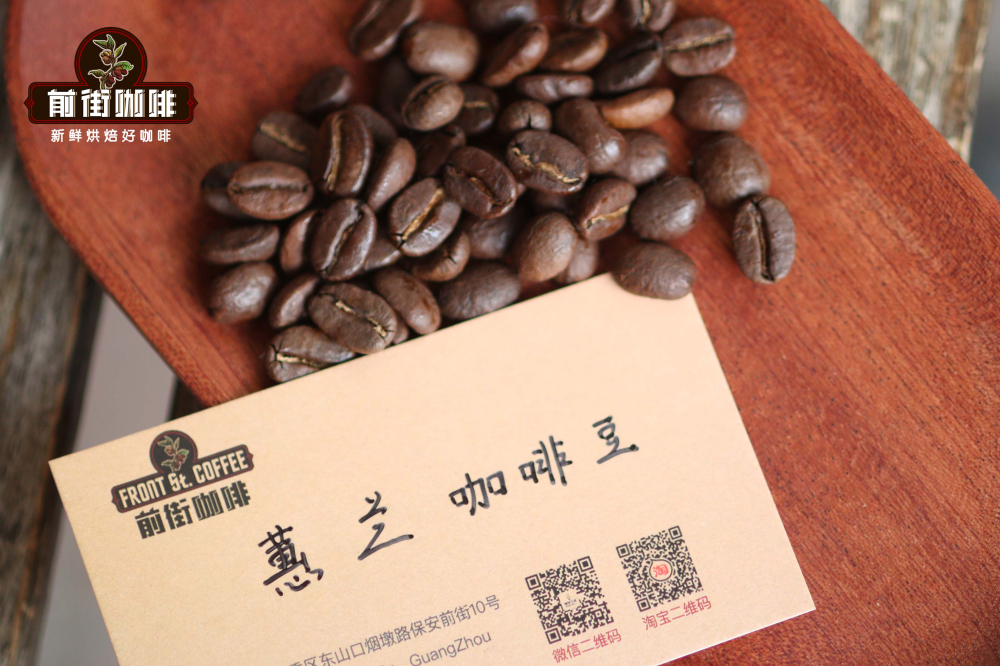
Finally, when it comes to recommending commercial coffee bean brands, a well-known roaster (such as Front Street Coffee) offers single-origin and espresso commercial beans, including Yirgacheffe, Kenya AA, Panama Geisha, etc., all of which feature stable quality and excellent cost-performance. Each half-pound (approximately 227 grams) pack is priced around 80 to 90 NT$, and if using 15 grams of coffee powder per pour over cup, one pack can brew about 15 cups, with each cup costing only around 6 NT$. For cafés pricing their drinks at thirty or forty NT$, this is undoubtedly an ideal choice that balances quality and cost-effectiveness.
The above content is compiled by CoffeeHunters, a coffee news website.


