







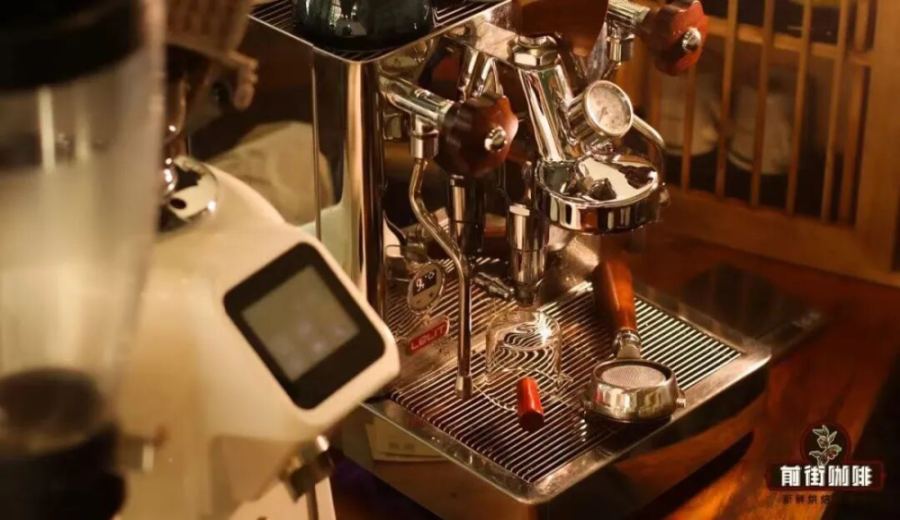
Introduction:Want to brew a rich, well-balanced espresso at home? This article starts with machine types and price recommendations, then dives into the differences between semi-automatic and fully automatic espresso machines. Based on different taste preferences, we also recommend several great home-use coffee beans. Furthermore, it provides a complete extraction guide and parameter adjustment tips to help beginners master key techniques such as dose, grind size, and brew time.
In recent years, brewing coffee at home has become a daily ritual for many coffee enthusiasts. Among various brewing methods, espresso stands out for its intense flavor and unique crema layer. This article will introduce you to the basics of home semi-automatic espresso machines, compare the features of semi-automatic and fully automatic models, recommend several coffee beans ideal for home use, and guide you step-by-step on how to pull a satisfying shot using a semi-automatic machine.
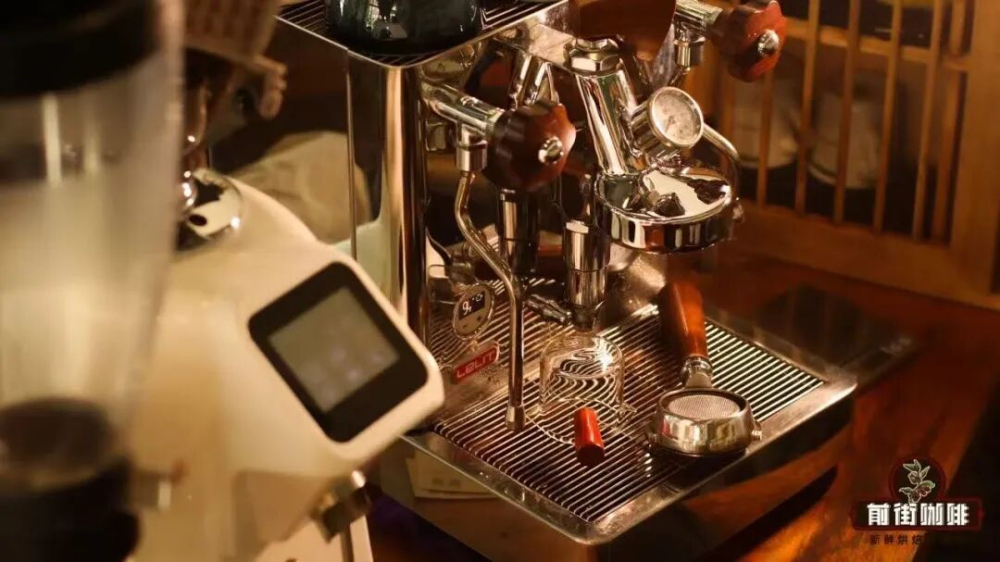
There is a wide variety of coffee machines on the market. In addition to common drip and siphon brewers, there are also espresso machines that use high-pressure extraction. Generally speaking, an espresso machine forces nearly boiling water under high pressure through a tightly packed, finely ground puck of coffee, extracting about 30 milliliters of concentrated coffee, which is rich in flavor and usually accompanied by a delicate layer of coffee crema. Whether you choose a semi-automatic or fully automatic model, selecting the right machine and coffee beans is the first step toward success.
On the market, machines priced around three to four hundred yuan are often referred to as "toy machines." These machines have unstable pressure, often result in uneven extraction, and may even produce noticeable "clacking" noises during operation. Achieving a golden, fine crema is almost impossible with them. If you're just starting out, it's recommended to choose a machine within the 500 to 1000 yuan range. Although stability and crema performance still have room for improvement, they allow you to begin experiencing the charm of espresso, and are relatively easy to operate.
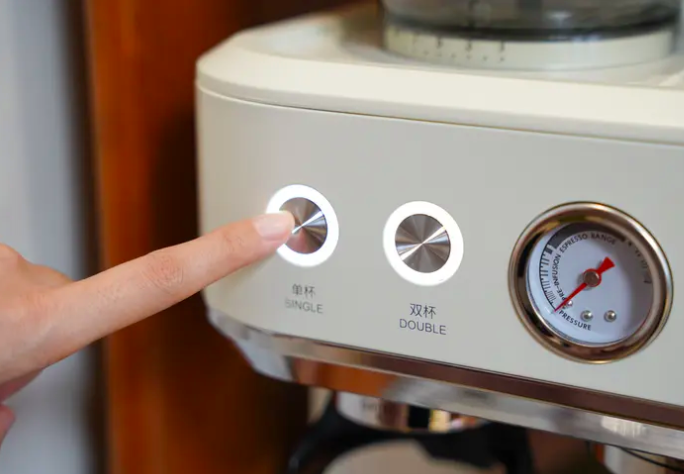
Espresso machines can generally be divided into two main categories: semi-automatic and fully automatic. Semi-automatic machines typically come with one or more group heads but require you to pair them with your own grinder. They’re suitable for users who already have some understanding of extraction parameters and want to adjust flavor and strength. The advantage lies in the ability to flexibly control grind size, coffee dose, and tamp pressure, thereby influencing the final extraction result. On the other hand, fully automatic machines have built-in grinding and brewing systems, allowing you to go from beans to coffee with just one touch. They are ideal for those seeking convenience and minimal effort in adjustments, though they offer less flexibility in fine-tuning details.
The success of making a good espresso largely depends on the choice of coffee beans. If you prefer single-origin beans (SOE) with distinctive and layered flavors, you might consider Brazil Queen Estate beans with a roasted peanut note, Golden Mandheling with spicy undertones, or Strawberry Candy espresso beans that showcase bright fruity and floral aromas. These beans, when roasted to a medium-dark level, can better highlight the bold characteristics of espresso.
If you prefer a stable and balanced flavor profile, we recommend classic Italian espresso blends with rich crema and harmonious flavors. These blends typically combine beans from different regions, providing consistent extraction performance and a wealth of taste layers. Additionally, there are plenty of cost-effective basic blends suitable for everyday drinking, which can still deliver the richness and smoothness expected from espresso.
Here’s how to make espresso using a semi-automatic coffee machine in practice: First, ensure the portafilter basket is clean and free of old coffee grounds. Then, grind about a double shot’s worth of coffee beans using a grinder—20 gramsis recommended—and measure it precisely with a scale.
Use a distribution tool to evenly spread the coffee grounds, then apply vertical pressure with a tamper to ensure the puck is level and compact. This step is crucial for stable extraction.Next, turn on the brew switch to let water flow for about1 to 2 secondsto wet the group head and rinse away any old coffee residue. Place your cup under the group head, and it’s advisable to put a scale under the cup and tare it to accurately monitor the yield. Gently lock the portafilter with the puck into the group head, start the extraction, and observe the flow rate and total volume. Ideally, when the coffee reaches40 gramsand the extraction time is around30 seconds,
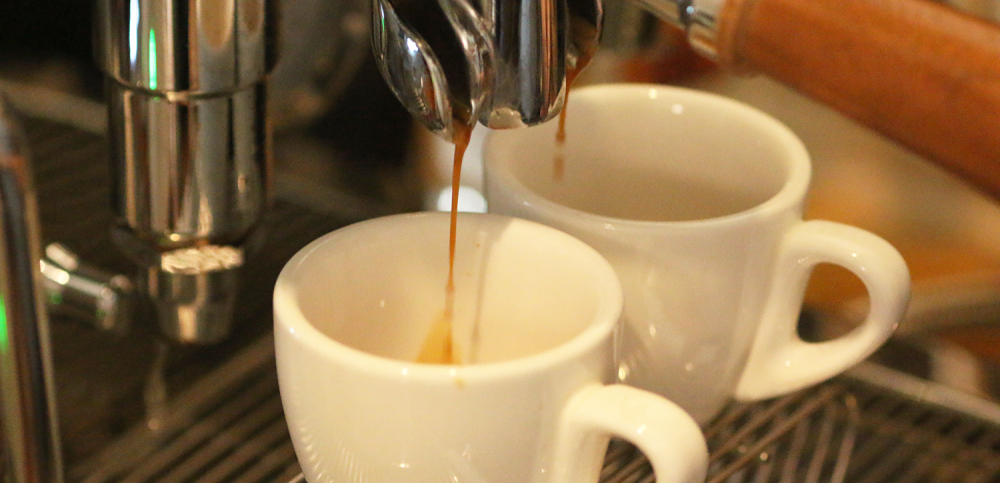
you can turn off the brew switch. Keep in mind that factors such as ambient humidity and coffee bean freshness can vary daily, so it’s best to fine-tune the dose, grind size, and extraction time accordingly.Finally, pour the brewed espresso into a cup with a capacity of about50 milliliters
The above content is compiled by CoffeeHunters, a coffee news website.


