







Introduction:Faced with so many coffee bean options, how do you find the one that best suits your taste? This guide analyzes the core logic of selecting coffee beans at home, covering key factors such as brewing methods, roast dates, and regional characteristics. It not only delves into the differences and use cases between single-origin beans and espresso blends, but also recommends representative beans based on different flavor preferences, along with sharing freshness judgment and resting tips. It helps you easily choose the most satisfying coffee beans, from beginner to advanced level.
When walking into a café or opening an e-commerce platform, the dazzling array of coffee beans can often leave you unsure where to start. In fact, by mastering just a few key elements, you can more accurately select beans that match your taste and brewing method. This article systematically analyzes the key points of purchasing coffee beans for home use, from brewing tools and roast freshness to regional flavors and packaging choices. Whether you’re a pour-over beginner or an espresso enthusiast, you’ll find practical references here.
"Choosing the Right Bean Variety Based on Brewing Method"
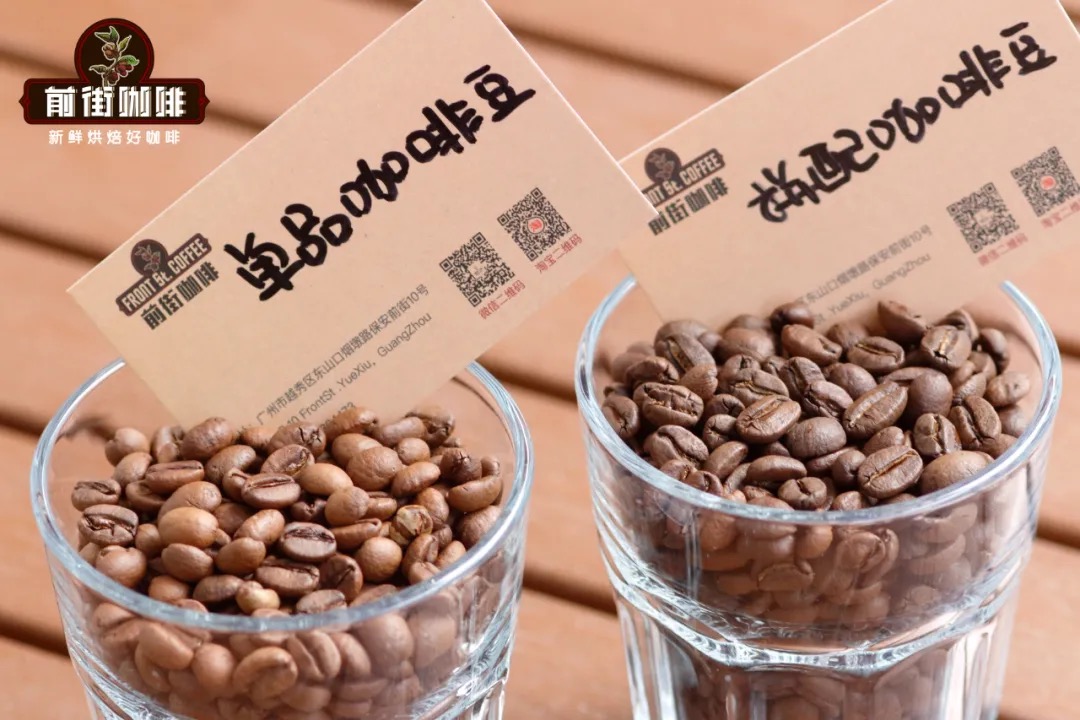
Coffee beans on the market can generally be divided into two main categories: single-origin coffee beans and espresso blend beans. Single-origin beans usually come from a single region or estate, offering clear and layered flavors, and are suitable for users who enjoy experiencing regional characteristics. Espresso blend beans, on the other hand, are a mix of beans from different regions in specific proportions, aiming to achieve stable flavor and balanced taste, especially suitable for pressure-based extraction methods such as moka pot or espresso machines.
If you often use filter drippers, French press, siphon pots, or cold brew methods, it’s recommended to prioritize single-origin beans, as they can more fully showcase the unique flavors of the region. However, this is not absolute—some blends are also suitable for filtered extraction, depending on whether the roast profile is adjusted for that brewing method. For example, when using espresso blend beans for espresso extraction, choosing varieties with rich crema and a full-bodied taste can better highlight their characteristics. Some blends, such as those mixing Colombian and Brazilian beans in specific ratios, often have strong nutty and chocolatey notes.
"The Importance of Fresh Roast and Resting Time"
The flavor of coffee beans is closely related to their freshness. After roasting, beans continue to release carbon dioxide, while flavor compounds gradually diminish over time. Therefore, when purchasing, be sure to pay attention to the roast date, not just the expiration date.
Generally speaking, single-origin coffee beans are at their peak flavor 15 to 20 days after roasting, with the optimal tasting period extending to about a month. For espresso beans, the peak flavor period is typically within 30 daysafter roasting, and can last up to about 45 days. However, beans right after roasting are not suitable for immediate brewing, as the high concentration of residual carbon dioxide and smoky notes may affect extraction and flavor expression.
This is where "resting" becomes very important. It’s recommended to store newly purchased coffee beans in a sealed bag with a one-way valve, allowing the beans to naturally release carbon dioxide while preventing moisture from entering. The resting time varies based on roast level: for medium to medium-light roasts, rest for 3 to 4 days; for medium-dark roasts, about 5 to 6 days; and for espresso blends, it’s recommended to rest for 7 to 10 daysto achieve the best extraction state.
"Selecting Single-Origin Beans Based on Region, Roast Level, and Flavor Description"
When choosing single-origin beans, you can start by considering the characteristics of the region. Generally, beans from African regions often have pronounced floral and fruity acidity, suitable for those who prefer a fresh taste, mostly medium-light roasted; beans from Central and South American regions showcase nutty, caramel, and similar tones, mostly medium roasted; and beans from Asian regions, such as Indonesia, usually have heavier flavors due to processing methods and varieties, suitable for medium-dark roasts, with lower acidity and more pronounced bitterness.
In addition, flavor descriptions are also an important reference when purchasing. Descriptions with refreshing terms like citrus, berries, floral, or tea-like notes usually indicate that the beans are medium-light to medium roasted, with more prominent sweet and sour flavors—for example, some beans from Ethiopia or Guatemala. If the flavor description includes rich terms like nuts, dark chocolate, or cream, it’s often medium to medium-dark roasted, with a fuller and more robust taste. If descriptions feature wine-like or intense fruity aromas, it may be beans that have undergone special processes like anaerobic fermentation, often delivering more bold and distinctive flavor profiles.
"Buying Whole Beans or Coffee Powder?"
Many shops offer grinding services, which is indeed convenient for users without a grinder. But if you want to fully experience the original flavor of coffee, it’s recommended to prioritize purchasing whole beans. Once ground, the surface area of coffee exposed to air increases significantly, leading to faster flavor loss—even with sealed storage, it’s hard to maintain optimal condition.
If you have a hand grinder at home, it’s recommended to grind just before brewing. This not only ensures flavor but also allows you to adjust the grind size according to different brewing methods. If you haven’t yet purchased a grinder but still want to try pour-over, drip bags are a good alternative. Drip bags usually use freshly ground single-origin beans and are pre-packaged for convenience. Just pour hot water to enjoy a cup of coffee with full flavor. However, since drip bags are already ground, it’s recommended to finish them within 30 days of purchase to get the best tasting experience.
The above content is compiled by CoffeeHunters, a coffee news website.


