







Introduction:Yirgacheffe coffee is renowned for its bright acidity and delicate floral notes, making it a top choice for many coffee enthusiasts entering the world of specialty coffee. This article delves into the history and independence of this famous Ethiopian producing region, as well as every detail of the washed processing method—from depulping to drying and sorting—to help you understand the key steps that influence flavor. It also introduces the traditional craftsmanship of a certain cooperative and provides detailed parameters and flavor profiles of a specific washed Yirgacheffe, helping you better appreciate this classic bean whether you’re brewing pour over or extracting via other methods.
The name Yirgacheffe is almost synonymous in the specialty coffee world with "bright acidity" and "white floral notes." As one of Ethiopia’s most representative regions, it was originally part of Sidamo but stood out due to its exceptionally distinct flavor profile and eventually became an independent top-tier producing area. With an altitude of around 2,000 meters, a cool climate, unique soil, and traditional processing methods, Yirgacheffe produces coffee with a truly one-of-a-kind flavor expression.
In the early days, Yirgacheffe primarily used the natural (sun-dried) method to process coffee beans. While this preserved more fruity aromas, it resulted in lower consistency. It wasn’t until Ethiopia introduced washed processing techniques from Central and South America that the coffee’s complexity and cleanliness significantly improved. The acidity became brighter, the floral notes clearer, and it gradually caught the attention of the international market. The adoption of this technique not only elevated overall quality but also propelled Yirgacheffe to global fame among specialty coffee lovers.
Yirgacheffe is home to over 40 coffee cooperatives, most of which are composed of family-run farms. Though production scales are small, they are highly distinctive. The region also includes several well-known micro-regions, such as Kochere, Guji, and Gedeb. Each micro-region, due to differences in microclimate and processing methods, produces coffee beans with unique flavor personalities, making it a treasure trove for coffee roasters and pour over enthusiasts alike.
Among the many cooperatives, Banko Gotiti is a highly representative example. Located in the Wolkite area in the southeastern part of Yirgacheffe, it was originally part of the Wolkite Cooperative under the Yirgacheffe Coffee Farmers Cooperative Union (YCFCU). As the global specialty coffee market began to emphasize "single-origin" and "traceability," Banko Gotiti officially became independent in 2012. Composed of about 300 farmers, it has since become a cooperative dedicated to quality and traditional craftsmanship.
Banko Gotiti village was among the first areas to achieve independent operation at the single-village level, with many farmers already possessing extensive processing experience. Today, Banko Gotiti is regarded as the "last pure land" of Yirgacheffe, still adhering to traditional processing methods such as washed and natural, maintaining consistently high quality and regional character.
In terms of processing methods, the coffee beans produced by the Banko Gotiti Cooperative commonly undergo washed processing. The procedure is highly meticulous: first, the outer skin and pulp of the coffee cherry are removed, leaving the mucilage-covered parchment beans. These beans are then placed in fermentation tanks for 18 to 36 hours. The duration varies depending on local temperature and humidity, with the goal of fully breaking down the mucilage layer.
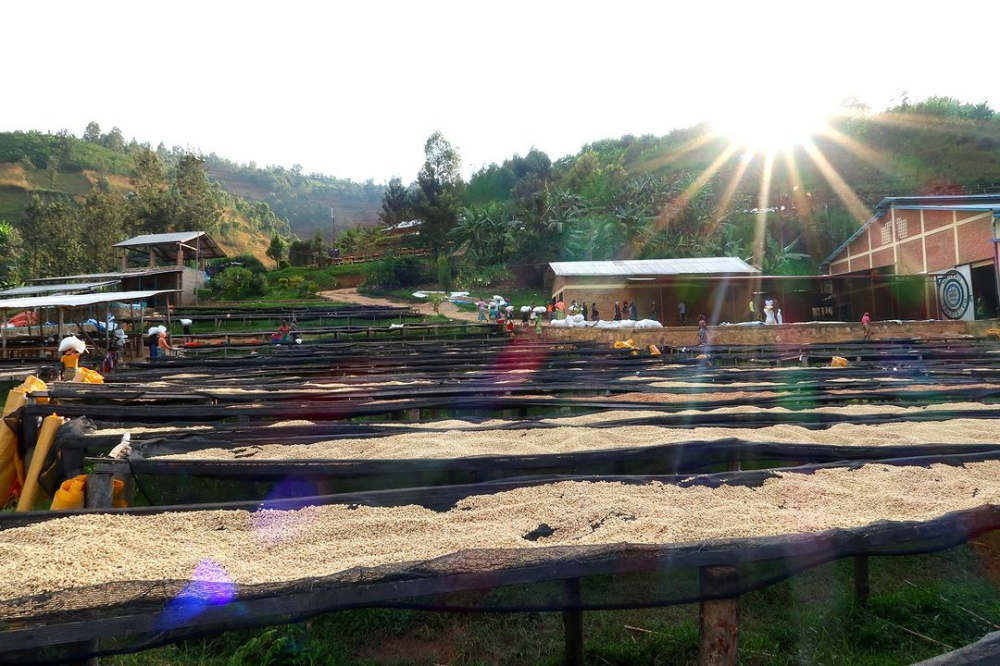
After fermentation, the parchment beans are transferred to washing channels where they are rinsed with water for about 30 to 60 minutes. This process not only cleans the bean surface but also uses the principle of buoyancy to naturally eliminate lower-quality, lighter beans, leaving behind denser, more stable beans. The selected parchment beans are then transferred to African-style raised beds for drying. The entire drying process takes approximately 14 days, during which the beans must be frequently turned to ensure even drying and prevent mold or over-fermentation.
Once dried, the parchment beans are initially stored in the processing facility’s warehouse and are only sent to a dry mill (Dry Mill) shortly before export for the final stages of processing. This includes hulling, removal of foreign matter, silver skin polishing, gravity sorting, and color sorting. Through a series of strict screening standards, only the highest-grade G1 coffee beans are retained, ensuring the exported product meets international specialty coffee quality standards.
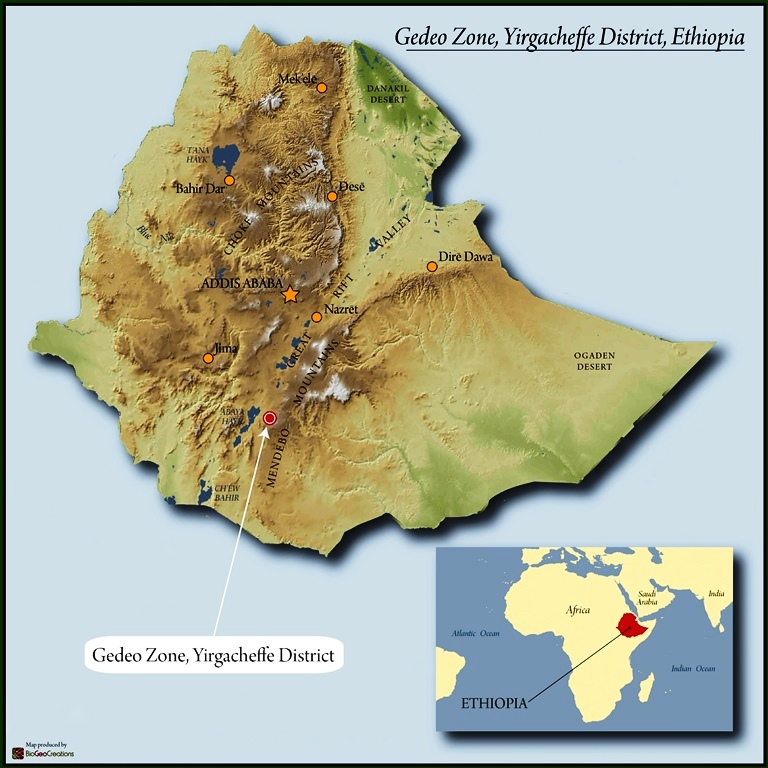
Take a certain washed Yirgacheffe as an example. This coffee bean is grown in the Gedeo Zone of Yirgacheffe at an altitude between 1,900 and 2,300 meters. It is cultivated from local heirloom varieties and processed using the washed method, classifying it as specialty-grade G1. In terms of flavor, this bean exhibits pronounced berry notes, accompanied by soft cream and honey aromas, with a finish that reveals a refreshing citrus and juice-like complexity. It is particularly well-suited for pour over brewing to highlight its delicate flavor structure.
In summary, Yirgacheffe is more than just a region—it is a symbol of a flavor style. From the region’s journey to independence, the diversity of its micro-regions, to the intricate processes of washed coffee production, each step deeply influences the final cup. If you wish to explore the origins and processing details of specialty coffee, Yirgacheffe and the Banko Gotiti Cooperative are definitely classic cases worth delving into.
The above content is compiled by CoffeeHunters, a coffee news website.


