







Introduction:Want to know if single-origin beans like Geisha or Mandheling can be used for espresso? What is SOE? Taking Indonesia’s Sumatra Lintong Mandheling as an example, this article explains in simple terms the feasibility of using single-origin beans for espresso, and provides complete extraction parameters and practical guidelines. It not only analyzes the flavor characteristics of Mandheling SOE, but also details each step from grinding, dosing to extraction, and extends to the selection and roasting features of high-end PWN Golden Mandheling, helping you master all the essentials of making espresso with single-origin beans from beginner to advanced level.
Many coffee enthusiasts often ask: are single-origin beans suitable for making espresso? Especially beans like Geisha, which are famous for pour over, or Mandheling with its unique Indonesian flavors—can they be good choices for SOE (Single Origin Espresso)? The answer is yes. As long as you master the correct extraction method and roast level, single-origin beans can also showcase captivating espresso flavors.
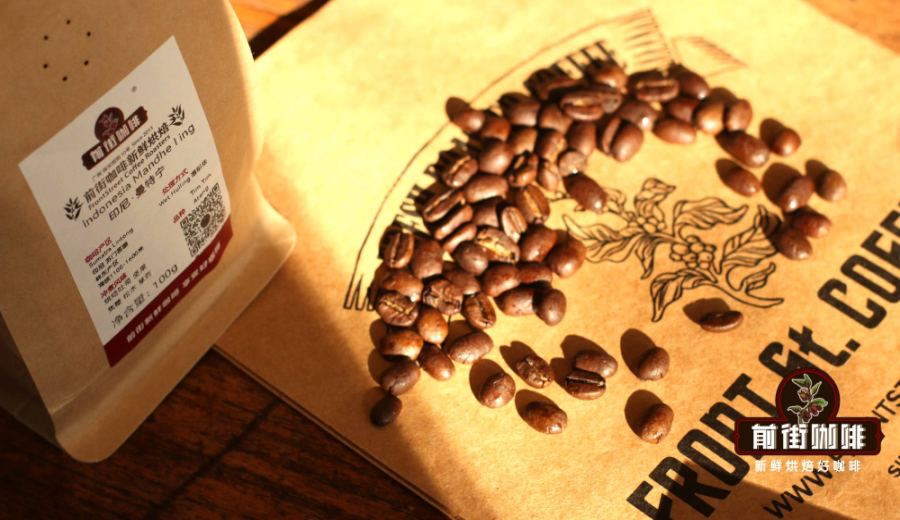
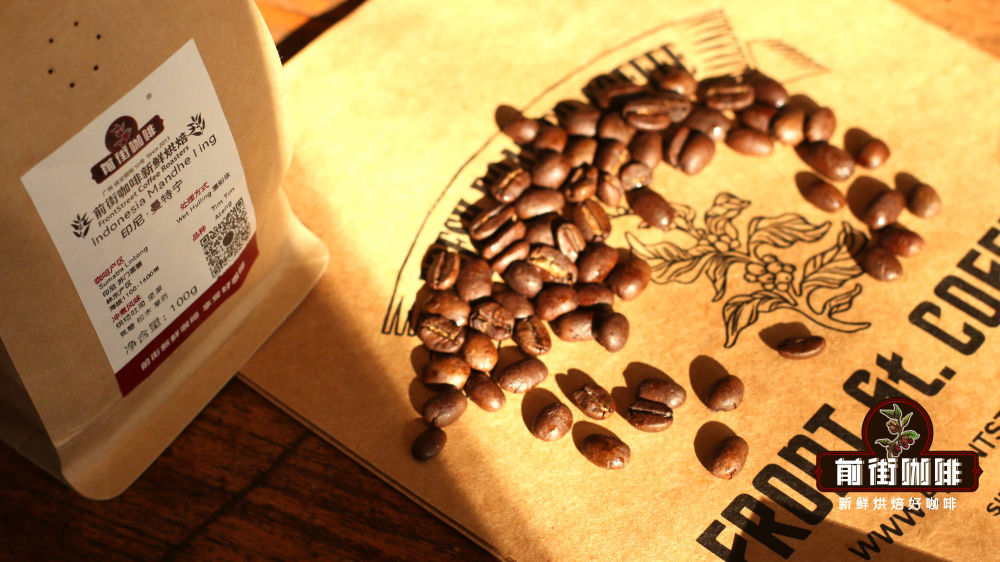
Take Mandheling from Indonesia’s Sumatra region as an example. This classic single-origin coffee bean has always been known for its full body, low acidity, and rich aroma. Because it is often roasted to a dark level, besides a distinct bitter note, it also carries a hint of lingering sweetness and a unique earthy fragrance, making it one of the popular choices for making espresso. Especially for users trying single-origin espresso for the first time, Mandheling from the Lintong region not only has a low entry barrier but also tends to deliver stable extraction performance.
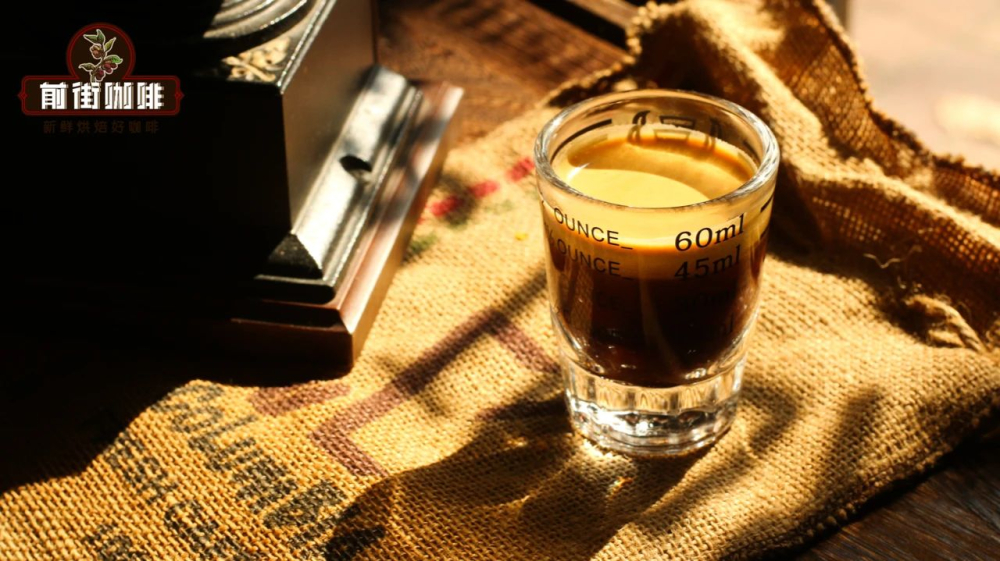
If you’re using a home semi-automatic coffee machine and grinder, it’s recommended to choose an entry-level SOE bean like this one. Its recommended extraction parameters are: 20 grams of coffee grounds, 40 grams of extracted liquid, maintaining a 1:2 coffee-to-water ratio, with extraction time controlled between 26 to 32 seconds. This can fully bring out its dominant nutty and caramel flavor notes. The grind size can refer to setting 2.0 on the Galileo grinder, which is suitable for most home machines and ensures stable water flow and pressure performance.
During actual operation, remember to first clean the portafilter basket, and accurately weigh out 20 grams of coffee grounds using an electronic scale. After dosing, it’s recommended to use a distribution tool to evenly spread the grounds, then apply vertical pressure with a tamper to ensure the puck is compact and the surface is level—this is key to stable extraction. Next, turn on the extraction switch for a 1–2 second pre-infusion to rinse the group head and remove any residual grounds, then place the cup underneath and reset the electronic scale. Once the portafilter is locked in, start the extraction, observe the liquid weight and time, and stop when you reach 40 grams and the time is around 30 seconds to avoid over-extraction or under-extraction.
It’s important to note that environmental humidity and the freshness of the coffee beans can both affect extraction performance, so it’s recommended to fine-tune the grind size, dose, or liquid volume as needed to achieve the best flavor balance. The Mandheling SOE extracted following the above process usually has a rich aroma of roasted nuts and caramel, suitable for drinking straight, or you can add hot water to make an espresso Americano, or pair it with fresh milk to create a rich Mandheling SOE latte, with a recommended ratio of 1:5, adjustable to personal taste.
If you want to further experience a higher-quality Mandheling SOE, you might want to try this PWN Golden Mandheling. This bean belongs to the top G1 grade, using only whole beans larger than eighteen mesh with an extremely low defect rate (less than 3 defective beans in a 300-gram sample), and undergoes strict density and color screening, as well as multiple rounds of manual hand-picking to ensure each bean meets a consistently high standard. It’s said that in sunlight, the beans emit a faint golden glow, hence the name “Golden Mandheling.”
PWN Golden Mandheling is even more particular in both green bean processing and roasting, typically using a medium-dark roast to retain a moderate level of sweetness and clarity, while making the roasted notes more three-dimensional. Its flavor profile is quite outstanding, often featuring layers of herbal, spicy, and fruity acidity, with rich sweetness and distinct caramel and melon aromas. Upon brewing, it initially presents a strong nutty character, and as the temperature drops, you can also detect delicate spice notes like cinnamon and herbs. The overall mouthfeel is clean and full-bodied, suitable for coffee lovers who enjoy complex flavors.
In summary, whether it’s entry-level Lintong Mandheling or high-end PWN Golden Mandheling, single-origin beans can become excellent SOE beans through appropriate roast levels and precise extraction parameters. As long as you understand the key elements such as coffee-to-water ratio, grind size, and extraction time, you can use single-origin beans to make espresso that rivals commercial blends, exploring more diverse and origin-specific flavor expressions.
The above content is compiled by CoffeeHunters, a coffee news website.


