







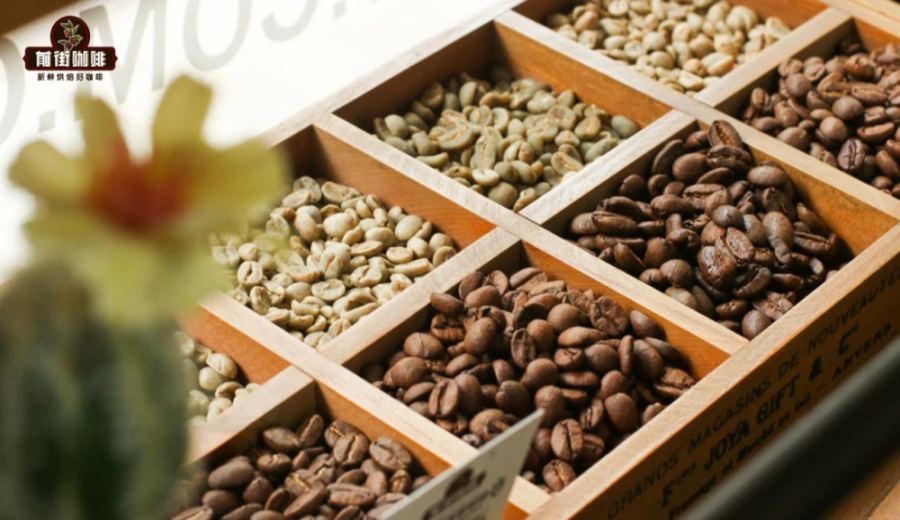
Introduction:Want to dive deeper into the allure of Ethiopian coffee? This article starts with the ECX grading system, detailing the actual differences between G1 and G3 coffee beans, and guiding you through key indicators such as defect rates and flavor purity. It also takes an in-depth look at the unique flavor profiles of nine major producing regions including Yirgacheffe, Sidamo, and Harar, and supplements details on natural and washed processing methods along with practical brewing suggestions to help you evolve from a beginner into an expert in identifying and appreciating Ethiopian beans.
Ethiopia is not only the birthplace of Arabica coffee but also a key player in the global specialty coffee landscape. From the floral and fruity notes of Yirgacheffe to the bold richness of Harar, the diversity of coffee in this country is astounding. Beyond the well-known regions, there are also smaller areas like Jimma, Limu, and Gimbi, each showcasing distinct altitudes, varieties, and processing methods. This article will give you a comprehensive understanding of Ethiopia’s coffee grading logic, the flavor profiles of its nine major regions, a comparison of the actual differences between G1 and G3 grades, as well as practical knowledge on processing and brewing.
Ethiopian coffee farming can be divided into three main categories: forest/semi-forest coffee (about 60%), garden coffee (about 35%), and plantation coffee (about 5%). Forest/semi-forest coffee is mostly grown without pesticides, relying on natural ecological balance; garden coffee is often intercropped with other plants, maintained by fallen leaves and animal manure; plantation coffee is a more industrialized production model with modern cultivation practices, selectively bred varieties, and planned shading tree arrangements.
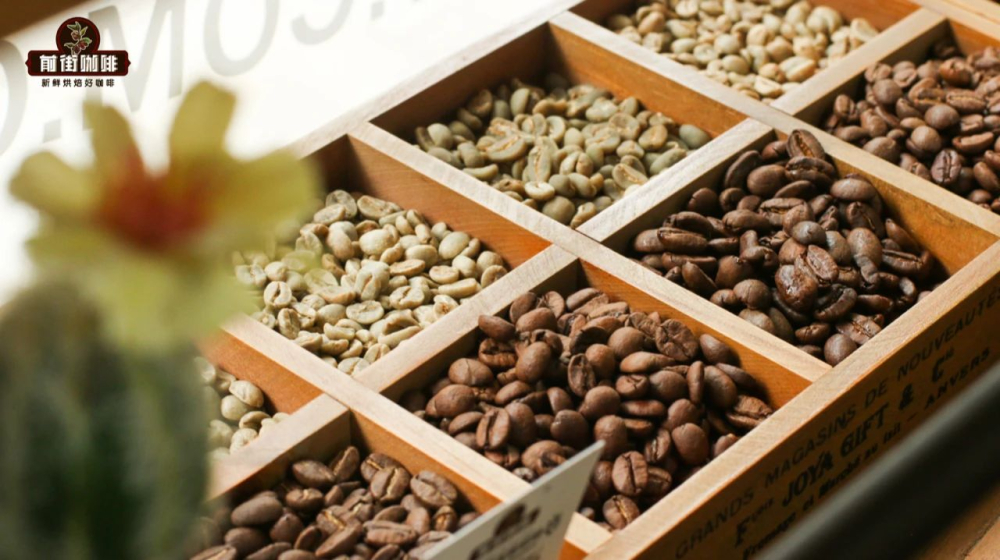
In terms of variety, Ethiopia has nearly 2,000 registered coffee varieties, of which 1,927 are native. These native varieties vary greatly in appearance, ranging from slender to round. For example, the western regions of Jimma, Limmu, and Kaffa tend to have more elongated beans, while central areas like Sidamo and Yirgacheffe mainly feature small-sized beans, around 14 to 15 mesh, which are also the most representative form locally.
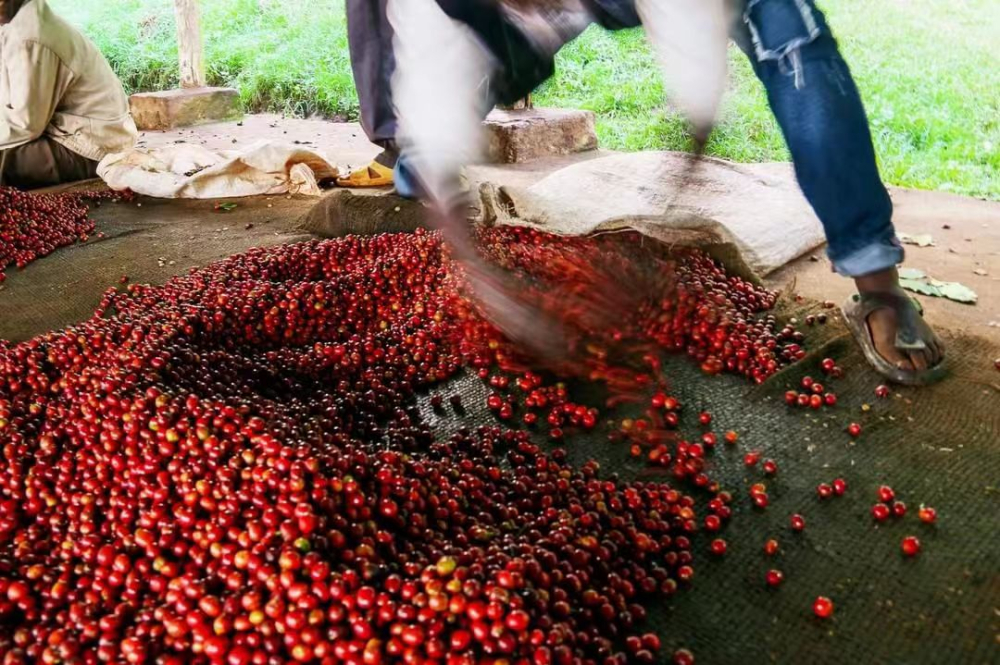
For processing methods, Ethiopia primarily uses two categories: natural (sun-dried) and washed. The natural method involves drying coffee cherries directly in the sun for 27 to 30 days, preserving more fruit pulp flavors, often resulting in lower acidity, higher sweetness, and a fuller body, though with slightly lower clarity. The washed method involves fermentation, washing, and drying processes, focusing on removing mucilage and impurities. The resulting coffee typically has pronounced acidity, good clarity, and stable flavor profiles, making it suitable for drinkers who prefer a clean taste.
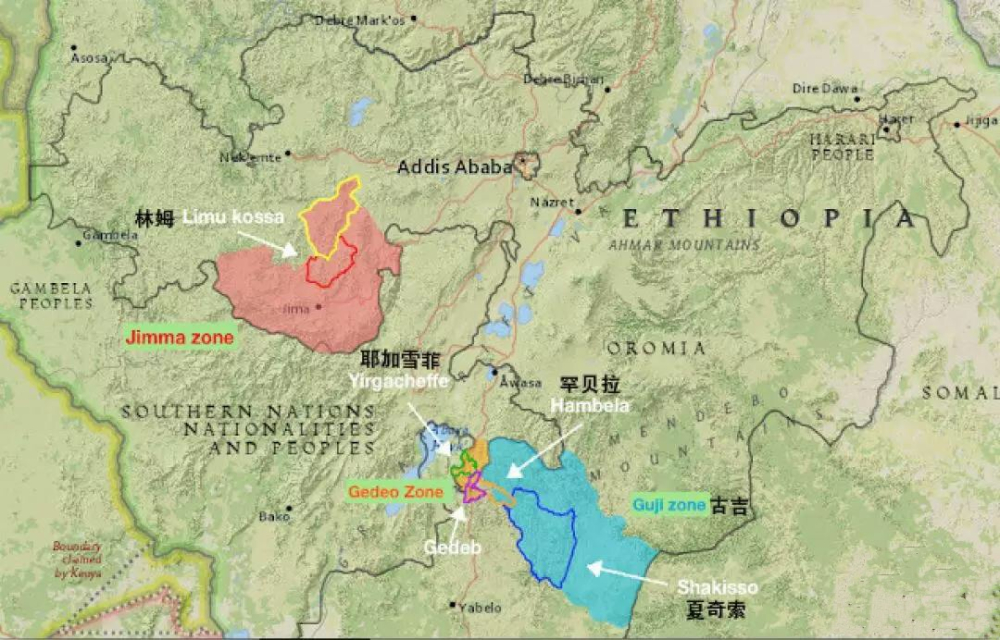
Ethiopia’s nine major producing regions each have distinctive flavor characteristics. Yirgacheffe, although originally part of Sidamo, was separated due to its uniquely distinctive flavors, and is known for its bright fruity notes, lemon, berries, and jasmine aromas. Its elevations mostly range between 1,800 and 2,000 meters, with coffee mainly grown in garden and forest systems. Sidamo shares a similar high-altitude environment, with flavors that combine floral and citrus notes, and when processed well, can even rival Yirgacheffe. Harar, located in the eastern highlands, has a long history of coffee trading and traditionally features strong chocolate, wine-like, and spicy tones, mainly processed using the natural method, making it a classic representative of the Mocha flavor.
Djimmah (Jimma) is one of Ethiopia’s major export regions, with large production volumes and mostly forest/semi-forest cultivation systems. Its coffee tends to be medium-bodied with gentle acidity. The Limu region, with its high elevation, focuses on organic farming and offers unique grassy and cocoa notes, along with subtle sandalwood undertones, making it a common presence in European and American markets. Illubabor, Gimbi (Lekempti), Teppi, and Bebeka are mostly commercial-grade bean regions with relatively affordable prices, suitable for blending. Among them, Limu and Gimbi occasionally produce specialty-grade batches that still hold considerable drinking value. Additionally, coffee grown by monastery communities near Lake Tana, though produced in extremely limited quantities, develops unique “divine” flavors due to the special environment—these are very rare.
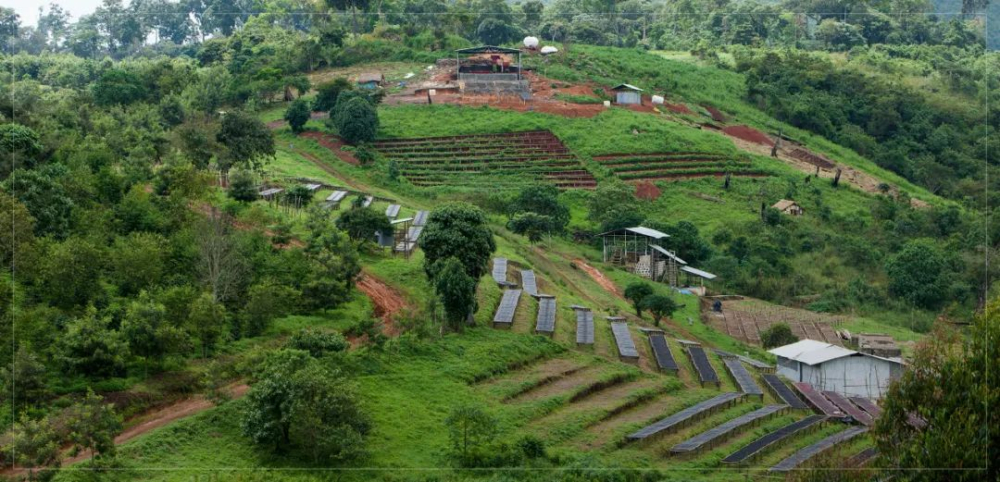
Regarding coffee grading, Ethiopia uses standards set by the ECX (Ethiopian Commodity Exchange) to classify coffee into three main categories: Specialty, Commercial, and Local, with only the first two being available for export. Among these, washed G1 and G2, as well as natural G3, are traditionally considered high-tier grades. Later, the ECX adjusted the grading system to include natural beans in the G1 category, leading to an increase in natural G1 and G2 beans in the market today, while G3 has become relatively less common.
Grading is based on physical characteristics (such as defect count, size, and color) and cupping flavor (clarity, acidity, body, and flavor characteristics), accounting for 40% and 60% respectively. G1 beans have an extremely low defect rate, usually fewer than 3 defects per 300 grams, while G2 ranges from 4 to 12 defects, and G3 and above have higher defect rates. Scores above 85 for G1 and G2 can be classified as Q1 specialty grade, 80–85 as Q2, and below 80 as G3 or lower commercial grades. In short, G1 coffee significantly outperforms G3 in flavor purity and defect control, making it the top choice sought by many roasters and coffee enthusiasts.
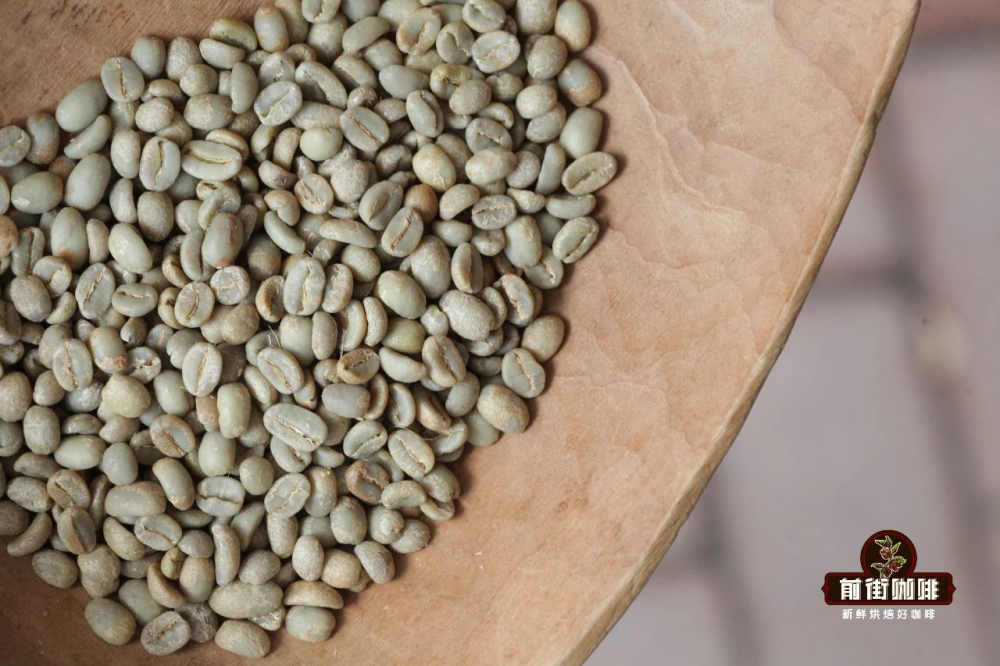
A practical comparison between natural G1 and G3 from the Sidamo region shows that G1 beans have a more uniform appearance with noticeably fewer defects, and their cupping profiles are clearer and brighter, with more consistent sweetness and acidity. G3, while also offering good fruit acidity and sweetness, can occasionally have off-flavors or impurities. Therefore, if you’re seeking purer, higher-quality Ethiopian beans, G1 is generally the better grade to choose.
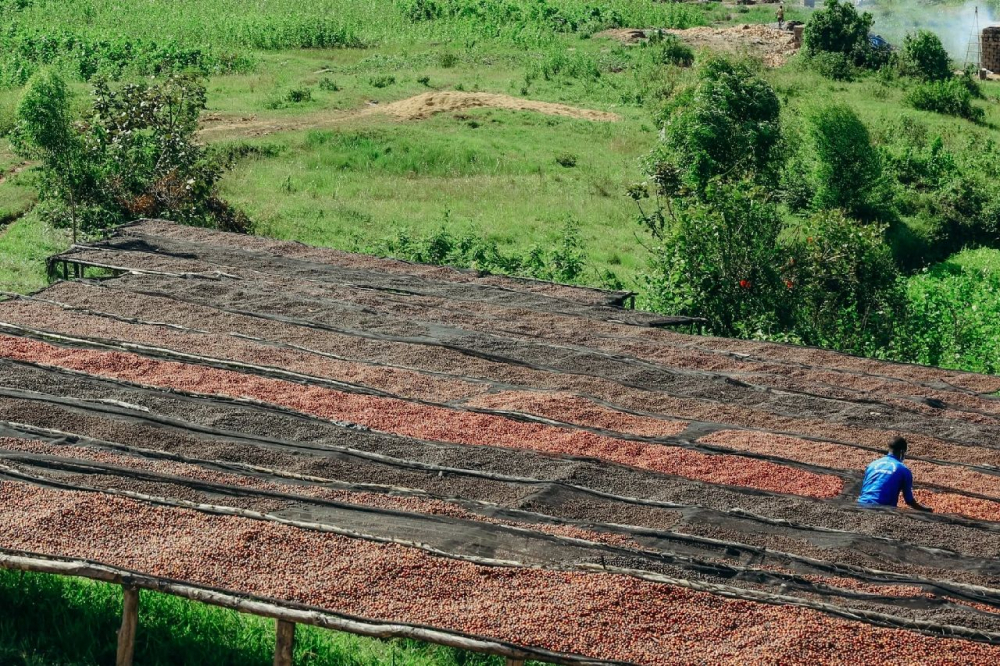
In terms of roasting and brewing, Ethiopian beans are usually of inconsistent sizes, so light roasting is recommended to preserve their inherent flavors. For example, one coffee brand, when processing the Yirgacheffe Huakui natural beans, adopted a strategy of starting at a low temperature and gradually increasing the heat, while carefully controlling the flame and air vent to preserve citrus, berry, and floral notes. For pour over, it is recommended to use a V60 filter, with water temperature around 90°C, a coffee-to-water ratio of 1:15, and medium-fine grind (e.g., 80% passing through a Chinese No. 20 sieve), using a multi-pour extraction method to avoid over-extraction and enhance overall flavor layering.
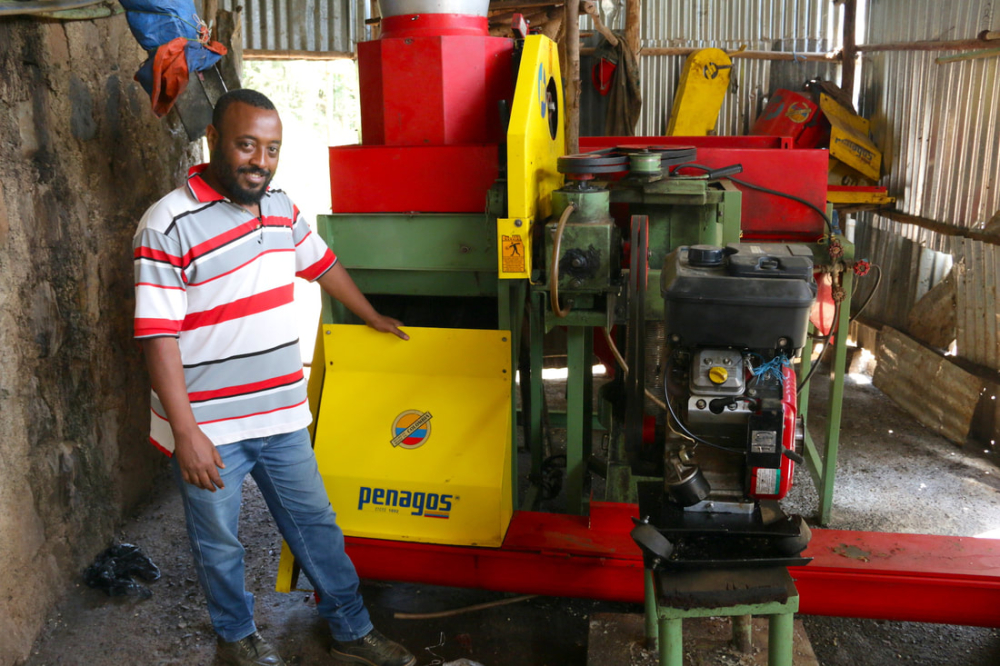
In summary, understanding the differences between Ethiopian G1 and G3 grades, as well as the unique flavor characteristics and processing methods of the nine major regions, is key to appreciating this coffee kingdom. Whether you’re just starting out or already have some experience, delving into these details will enable you to more accurately select, brew, and enjoy a cup of specialty coffee from Ethiopia.
The above content is compiled by CoffeeHunters, a coffee news website.


