







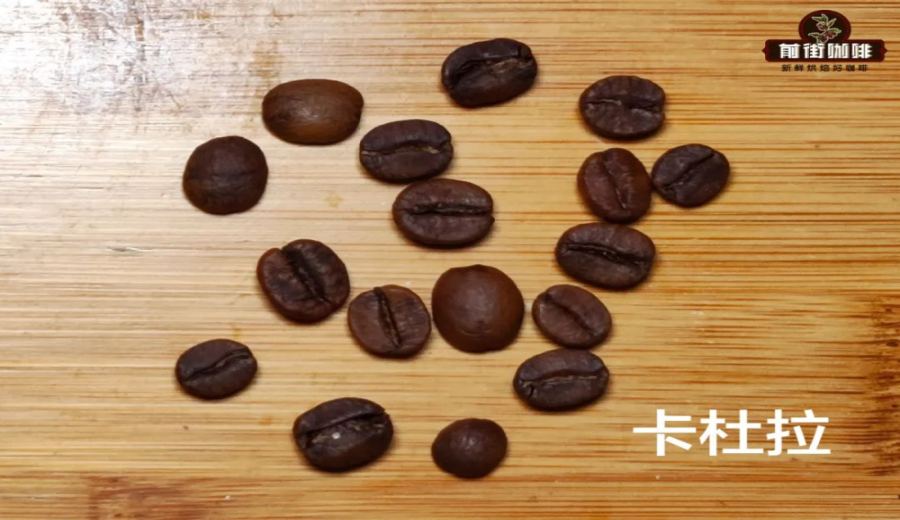
Introduction:Caturra and Catuai are common medium-to-dwarf Arabica coffee varieties in Central and South America, known for their high yield, sunlight tolerance, and adaptability to various altitudes and climates. This article provides an in-depth analysis of their origins, plant characteristics, cupping flavors, and cultivation performance, and explains why they are often found together in the same batch of coffee beans. It also offers practical brewing parameters and examples to help readers better appreciate the unique qualities of these two major varieties.
Caturra and Catuai are two important Arabica coffee varieties widely planted in Central and South America. Their names are similar, and their backgrounds are closely related. Caturra originated from a natural mutation of the Bourbon variety in Brazil in the early 20th century. The plant is noticeably shorter, making it easier to harvest, with relatively higher yields and the ability to thrive without shade, thus often categorized as a "sun-grown coffee." Catuai, on the other hand, was developed through artificial hybridization, combining the genetics of Mundo Novo and Yellow Caturra. It not only inherits Caturra’s dwarf stature and high productivity but also enhances disease and disaster resistance.
The Origin and Characteristics of Caturra
Caturra was first discovered between 1915 and 1918 on a coffee plantation in the Brazilian state of Minas Gerais. At that time, farmers noticed that some Bourbon plants exhibited significant dwarfing, resembling dwarfism with much reduced plant height. Due to its small size, locals named it "Caturra," meaning "small" in the Guarani language, and it is also referred to as "Nanico." Although this mutant variety was not officially widely promoted in Brazil, it took root in Central America and became one of the dominant varieties in many coffee-growing regions.
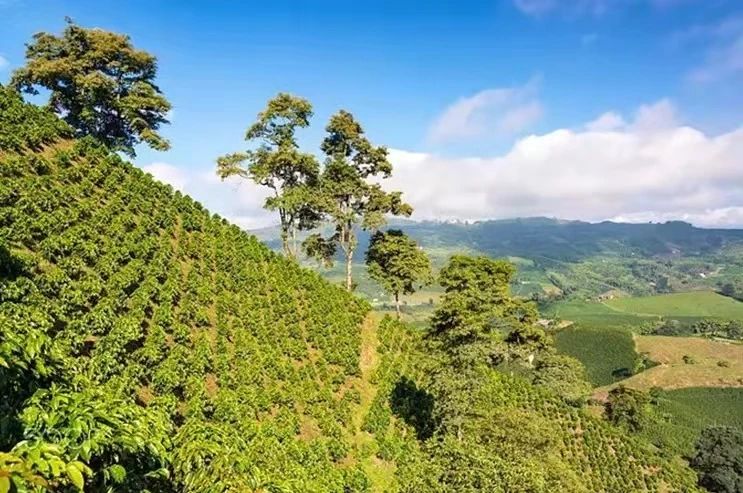
The São Paulo State Agricultural College (IAC) in Brazil has been conducting systematic selection of Caturra since 1937, using the mass selection method — that is, selecting plants with desirable traits such as appearance, yield, and disease resistance, mixing their seeds, and replanting them over multiple generations to stabilize superior traits. The most distinctive feature of this variety issuitability for high-density planting, as its compact tree structure and dense lateral branching allow more plants to be grown per unit area, significantly increasing yield per area. In addition,Caturra can grow healthily under direct sunlight, without the need for additional shading, and thrives at altitudes between 700 and 1700 meters. The higher the altitude, the richer the flavor tends to be, and the acidity brighter.
The Birth and Advantages of Catuai
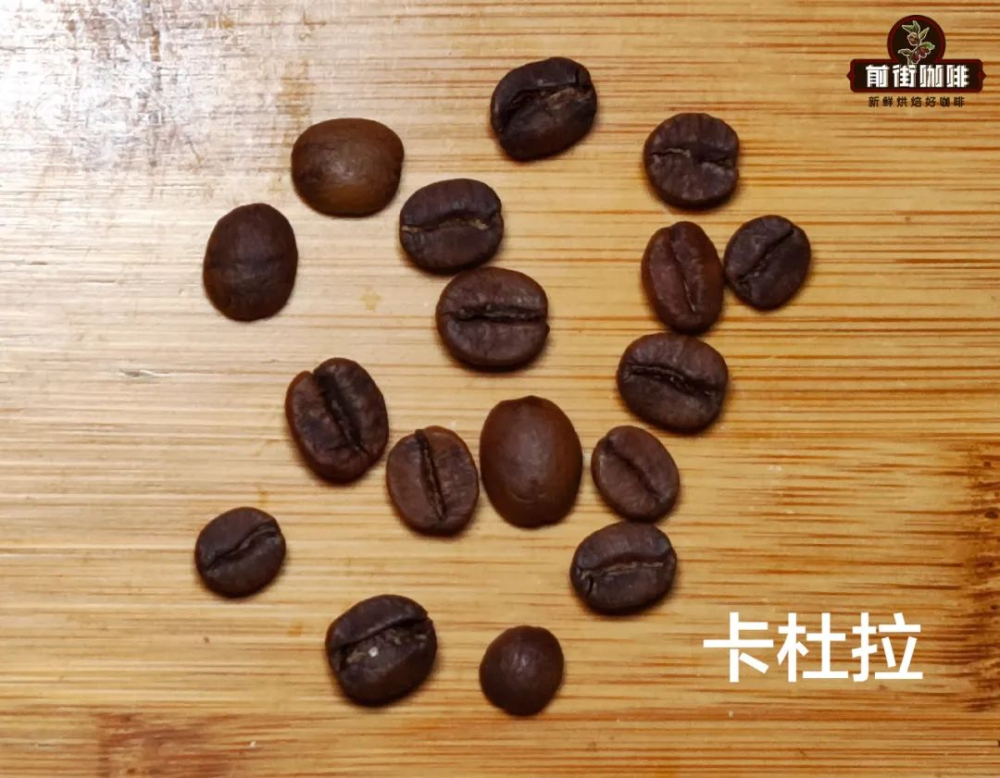
Catuai is the result of artificial hybridization, created by the São Paulo State Agricultural College through crossing Mundo Novo with Yellow Caturra, initially designated as 'H-2077.' Mundo Novo itself is a natural cross between Bourbon and Typica, discovered in 1943 in the Trití-Milhos region of São Paulo, Brazil, and is known for its high yield, disease resistance, and good cup quality.
By integrating Mundo Novo’s high yield and resilience with Caturra’s dwarf stature and sun tolerance, Catuai forms a comprehensive variety withresistance to wind, rain, and disease. Although its original designation 'H-2077' did not particularly stand out in cupping evaluations, it performed exceptionally well in disaster resistance and environmental adaptability, leading to its naming as Catuai, which means "very good" in Guarani. Through lineage selection (continuous multi-generation screening of individual superior plants), the variety was officially promoted in Brazil in 1972 and subsequently widely cultivated in Central America, although some observations suggest a slight potential drop in yield after transplantation.
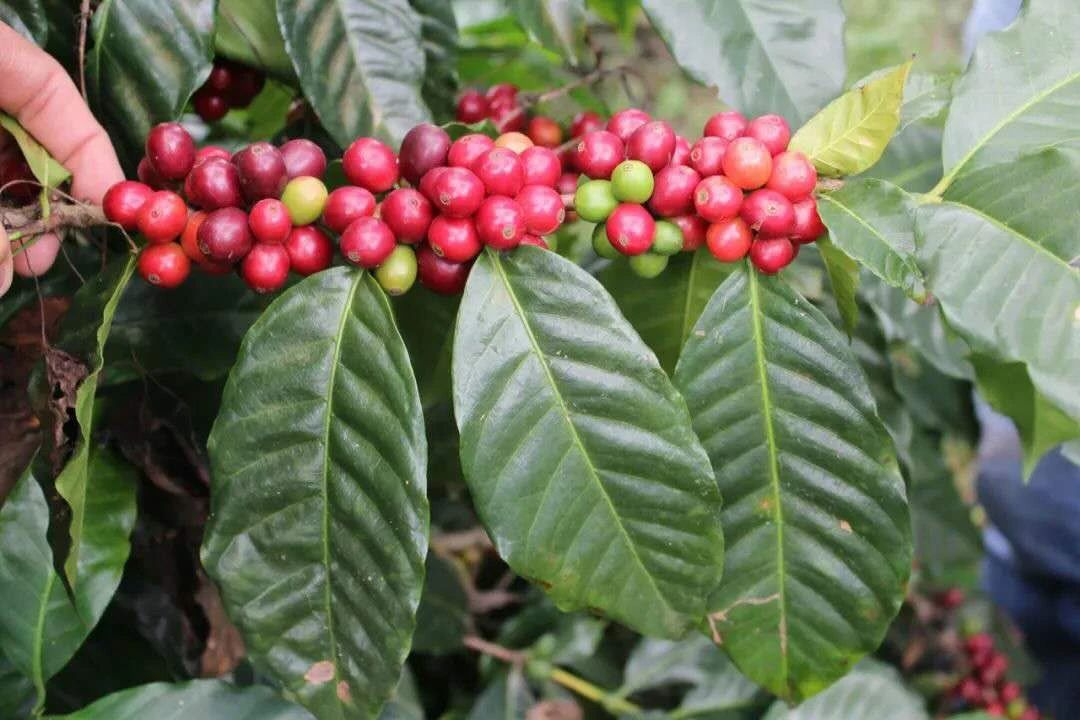
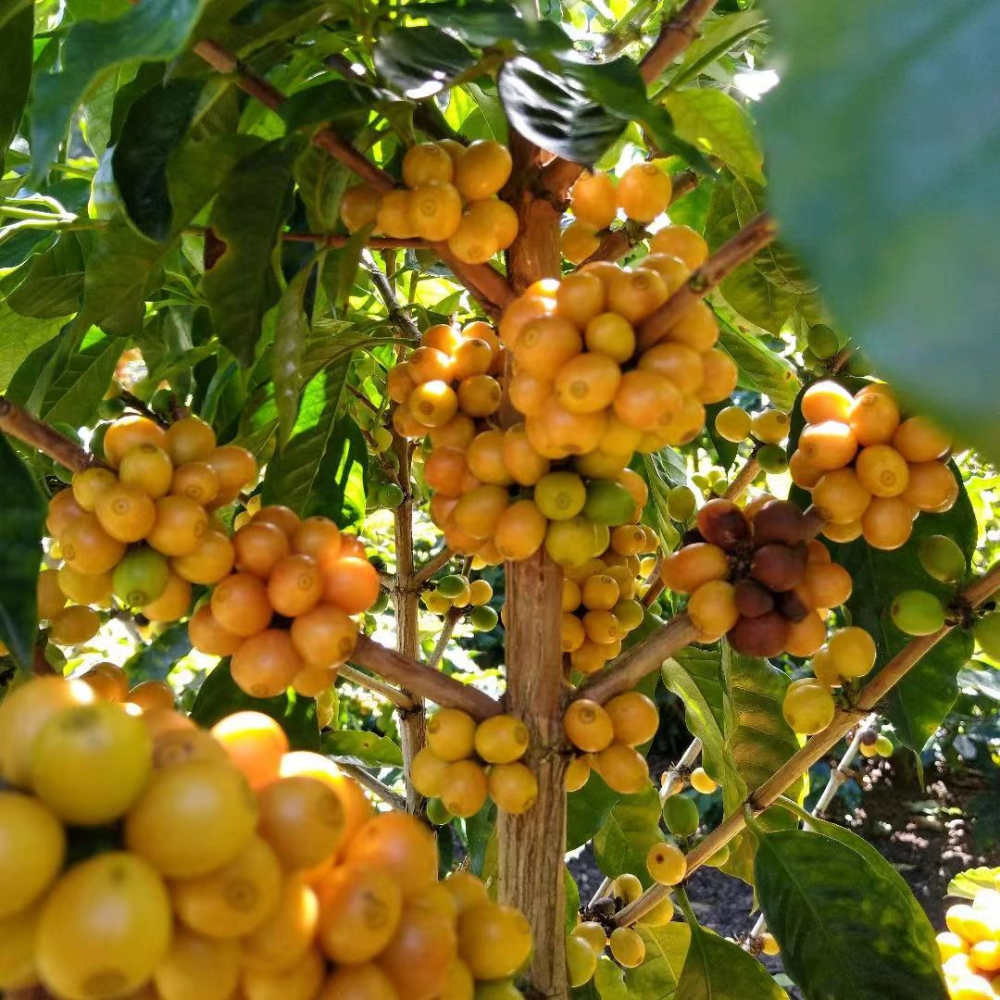
Catuai comes in both red and yellow fruit types, with different colored fruits generally corresponding to different flavor tendencies and varying planting ratios depending on market demand in different countries. For example, Costa Rica introduced Yellow Catuai in 1985, which features a clear acidity, bright citrus notes, and often exhibits distinct fruity profiles.
Why Are These Two Varieties Often Listed Together in the Same Coffee Batch?
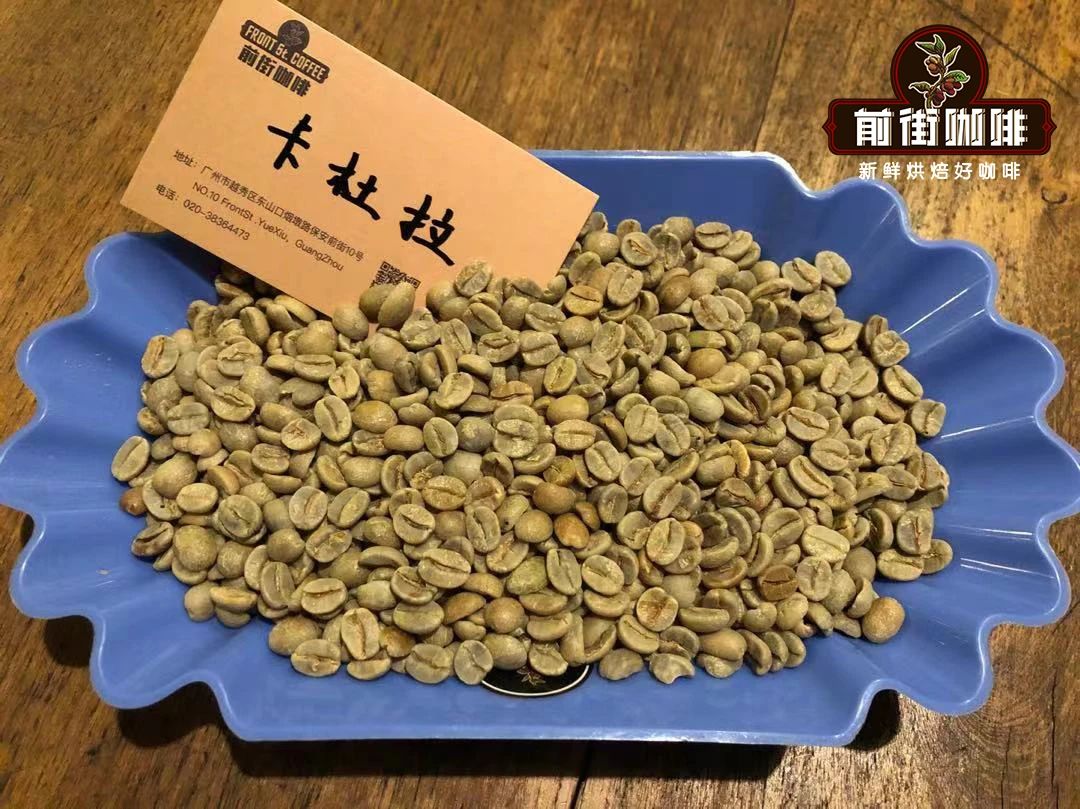
According to research by the Honduran Coffee Institute (IHCAFe), there is no significant difference in productivity between Caturra and Catuai, and since Catuai carries Caturra genes, the two share very similar growth habits, cultivation management, and harvesting processes. In actual farming, strictly distinguishing between the two would increase labor and management costs. Therefore, on many Latin American estate-level coffee bean packages, variety names such as "Caturra, Catuai" are often listed together, reflecting that the batch may contain either or a hybrid offspring of the two.
Currently, Catuai is one of the main cultivated varieties in Brazil, Costa Rica, Honduras, and other regions, and is also commonly seen in the specialty coffee market. Notable producing areas such as Costa Rica's Musician Series and Honduras’ Sweet Orange Estate have released single-origin offerings of this variety.
Cupping Flavor and Brewing Example of Catuai
Taking Catuai from Honduras’ Sweet Orange Estate as an example, this lot is processed using the washed method, grown at an altitude of 1425 meters, and exhibits clear fruity acidity and sweet orange-like aromas. When brewing, it is recommended to use a fine grind (close to caster sugar, about 80% passing through an 850-micron sieve), with water temperature set at 92°C to fully enhance aroma and sweetness. Using a V60 dripper with a 1:16 coffee-to-water ratio (15 grams of coffee to 240 milliliters of water), the brew is done in three pours: first, a 30-gram bloom for 30 seconds, followed by a 150-gram main pour, and finally a 60-gram finish, with total brew time controlled around 2 minutes.
This brewing method brings out a refreshing citrus acidity, with flavors akin to lemon and orange on the palate, while the finish leaves a mild, rice-tea-like roundness and warmth, resulting in a balanced and layered overall profile.
In summary, Caturra and Catuai are not only important varieties in the coffee-growing regions of Central and South America, but also, due to their strong adaptability, stable yields, and diverse flavors, they are favored choices for many specialty coffee farms and roasters. Whether you're a beginner pour-over enthusiast or a coffee explorer seeking specific regional profiles, understanding the traits of these two varieties can help you select and brew your ideal cup of coffee more precisely.
The above content is compiled by CoffeeHunters, a coffee news website.


