







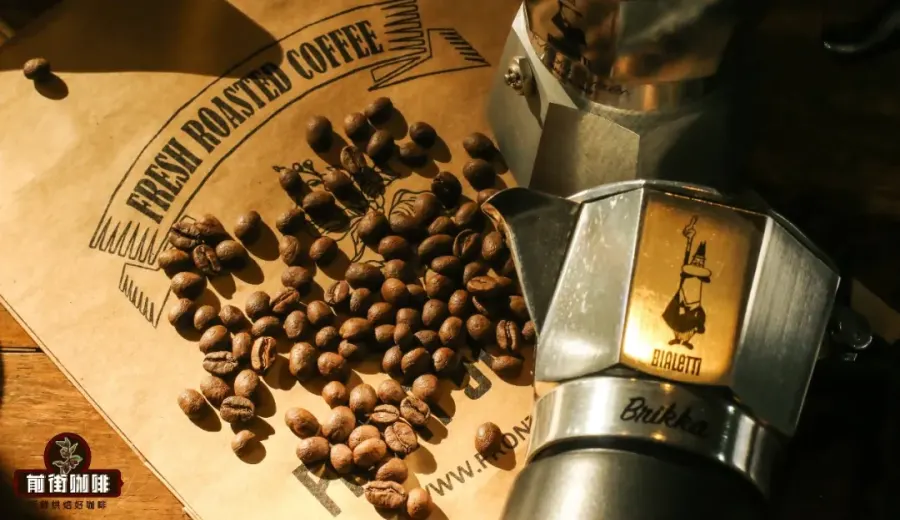
Introduction:The moka pot is the go-to brewing device for many home coffee enthusiasts, but to brew a cup with rich crema and balanced flavor, selecting the right coffee beans is crucial. This article details the ideal roast level, how to judge freshness, and tips for choosing the right brand for the moka pot. It also analyzes the characteristics of beans with different flavor profiles, helping you find the most suitable coffee based on your preferences and enhancing your at-home moka pot brewing experience.
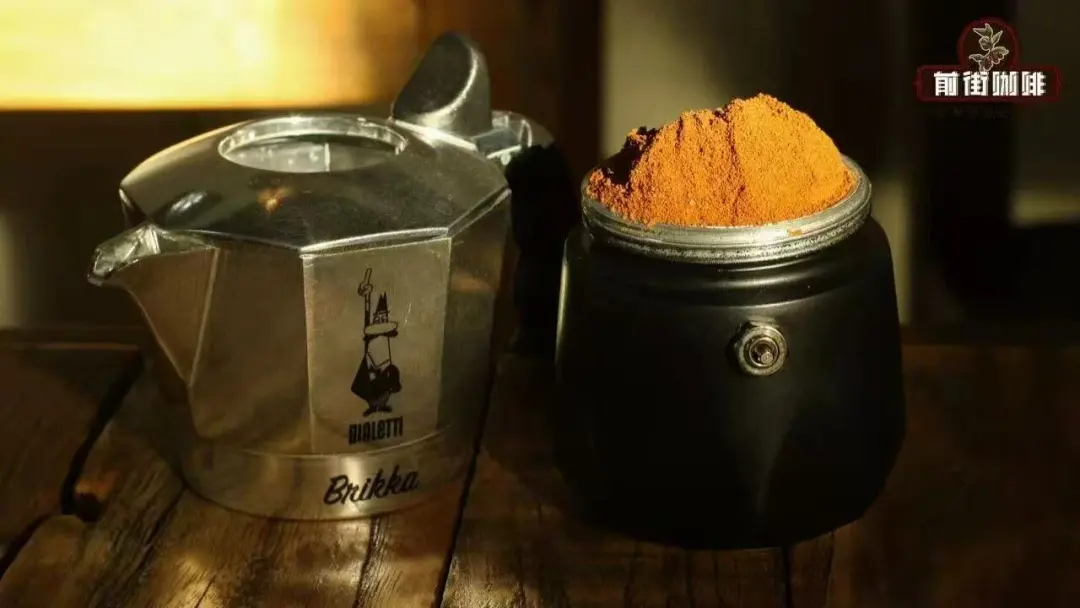
Since its inception in 1933, the moka pot has become a staple in the homes of many coffee lovers thanks to its simple operation and strong extraction. Designed by Italian designer Luigi di Ponti and popularized by the Bialetti company, this coffee maker uses steam pressure generated from heating the lower chamber to push hot water through a layer of ground coffee in the middle, eventually collecting concentrated coffee in the upper chamber. Though not complex in structure, many people overlook the importance of coffee bean selection during use, leading to subpar extraction results.
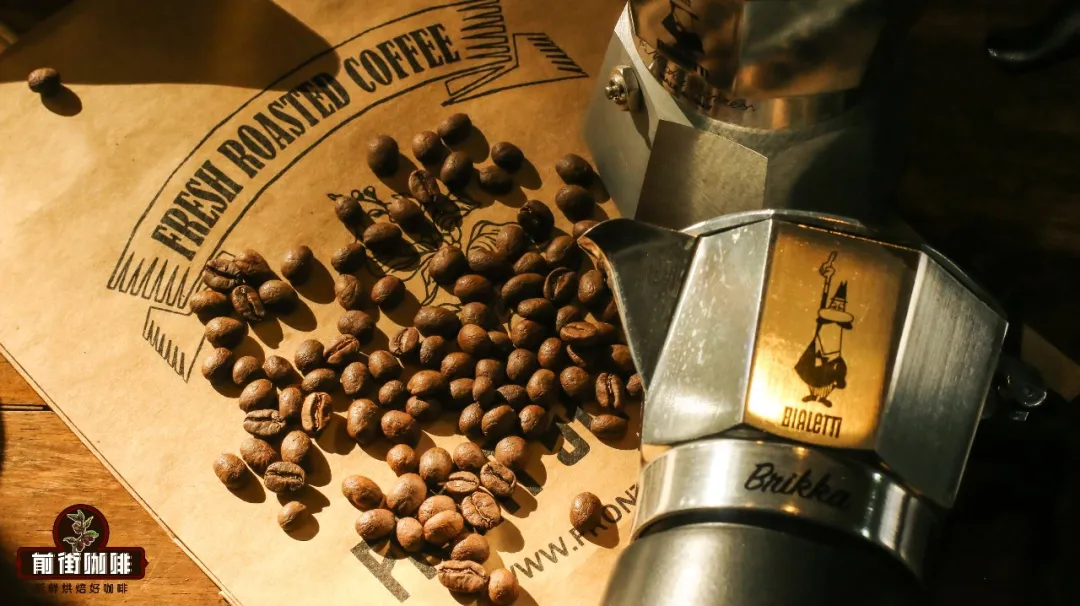
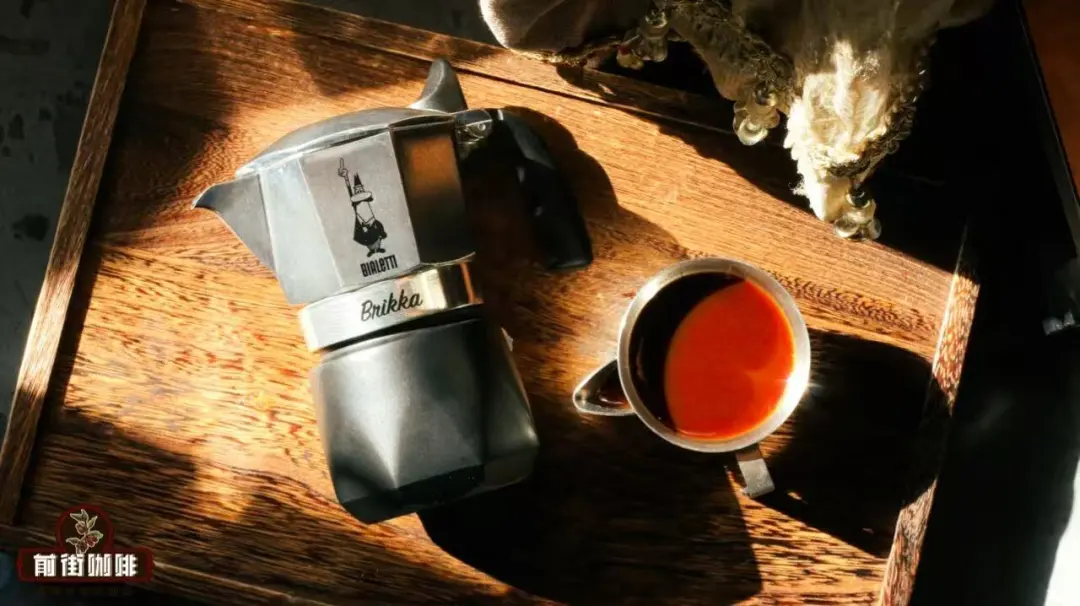
Compared to pour over or drip coffee, the coffee grounds used in a moka pot need to be ground finer and are extracted under high temperature and pressure, resulting in a higher concentration of coffee and a more pronounced expression of the beans’ inherent flavor characteristics. Generally speaking,light roast beans have prominent acidity, while dark roast beans tend to be more bitter. Using these types of beans directly may result in overly sharp, sour, or excessively harsh and bitter flavors. Therefore, if you’re aiming for a coffee with balanced acidity, sweetness, bitterness, and richness, along with moderate crema, it’s recommended to prioritizemedium roast or medium-dark roastcoffee beans, which can retain a full-bodied taste while showcasing an appropriate range of aromatic layers.
If you’re after a coffee experience with rich crema and a full-bodied, smooth mouthfeel, consider trying classic blend coffee beans. This blend is specifically adjusted for use with moka pots and espresso machines, combining the characteristics of Brazilian Red Bourbon, Indonesian Mandheling, and Vietnamese Robusta. The resulting brew offers intense aroma and rich crema, delivering captivating coffee flavors whether enjoyed straight or used in lattes and Americanos.
For those who enjoy spicy and richly bitter-sweet flavors, medium-dark roasted PWN Golden Mandheling is worth considering. These beans come from high-altitude plantations in Sumatra, Indonesia, at elevations between 750 and 1500 meters, and are of the Arabica variety. They are known for their intense aroma, thick body, and unique herbal-spicy notes. Golden Mandheling undergoes multiple rounds of screening, resulting in a pure flavor and thick mouthfeel, making it highly suitable for users who appreciate Southeast Asian-style coffee.
For those who prefer floral and fruity notes and dislike overly heavy bitterness, the Strawberry Candy espresso blend is a great option. This blend combines the sweetness of Costa Rican honey-processed beans, the citrus and floral notes of Ethiopian beans, and the nutty and chocolatey tones of Colombian beans. Overall, it is medium roasted and suitable for both moka pots and home espresso machines. The brewed coffee often carries aromas of rose, strawberry taffy, and dried blueberries, with a balanced sweet and sour profile and a soft almond aftertaste.
If you prioritize stable performance and cost-effectiveness, a basic espresso blend is a good choice for beginners and everyday use. Composed of washed Yunnan small-bean variety and Brazilian semi-washed coffee beans, medium-dark roasting brings out gentle fruit acidity, caramel, and nutty flavors. It is well-suited for those who consume large amounts, have budget constraints, or are just starting to use a moka pot.
Beyond roast level,the freshness of the coffee beans is also a key factor affecting the performance of moka pot extraction. After roasting, coffee beans go through a degassing period before reaching the optimal flavor window. Using beans roasted more than 50 days ago may result in a lack of desired aroma, leaving only a flat, bitter taste. It is recommended to choose beans roasted within 10 days. Not only do they offer a longer enjoyment period, but they also yield richer crema and aroma, significantly improving the overall coffee experience.
Finally, choosing a reputable brand known for consistent quality is equally important. Coffee beans that are consistently roasted, freshly produced, and sourced transparently ensure that each moka pot brew delivers a uniform and satisfying result. Opt for brands that pay attention to roasting details, provide clear roast dates, and have a solid market reputation, so you can enjoy professional-grade moka pot coffee at home.
The above content is compiled by CoffeeHunters, a coffee news website.


