







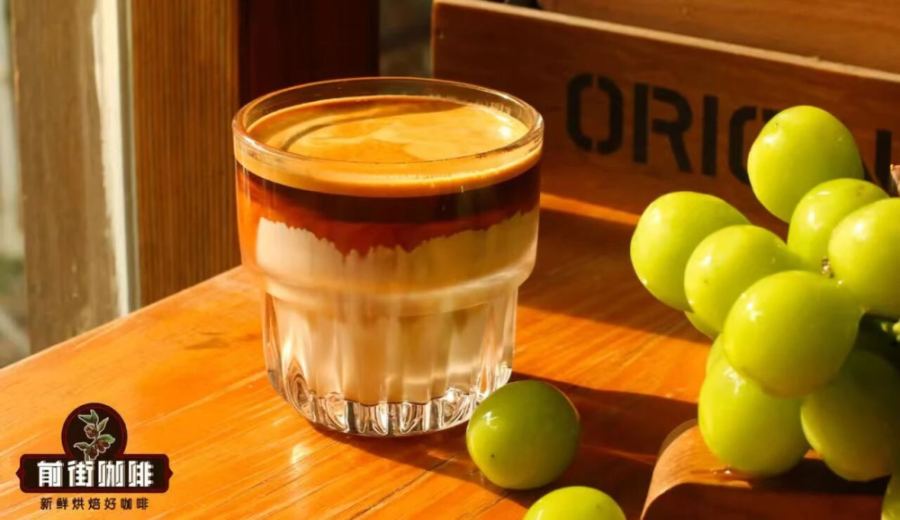
Introduction:SOE (Single Origin Espresso), or single-origin espresso, has gradually gained prominence in the specialty coffee market in recent years, becoming a top choice for many coffee enthusiasts looking to try something new. This article delves into the definition of SOE, its differences from blends, common misconceptions, and offers practical purchasing advice along with flavor profiles to help you choose the most suitable single-origin espresso beans based on your personal preferences.
The term SOE (Single Origin Espresso) began appearing in the specialty coffee scene around 2007 and had achieved steady development in the North American market by around 2010. Today, it is commonly featured in seasonal menus across various types of cafés. As the name suggests, SOE refers to espresso made using beans from a single origin, extracted under high pressure with an espresso machine. This method doesn’t involve any special formulas—it simply replaces traditional blends with single-origin beans, yet it delivers a distinctly different flavor experience and challenge.
Many people, when first trying SOE, often wonder: what’s the difference between it and regular espresso? Simply put, SOE emphasizes the flavor characteristics of a “single origin,” while traditional espresso blends focus on flavor balance and extraction stability. If you enjoy exploring the unique tastes brought by different regions, then SOE can be a great starting point.
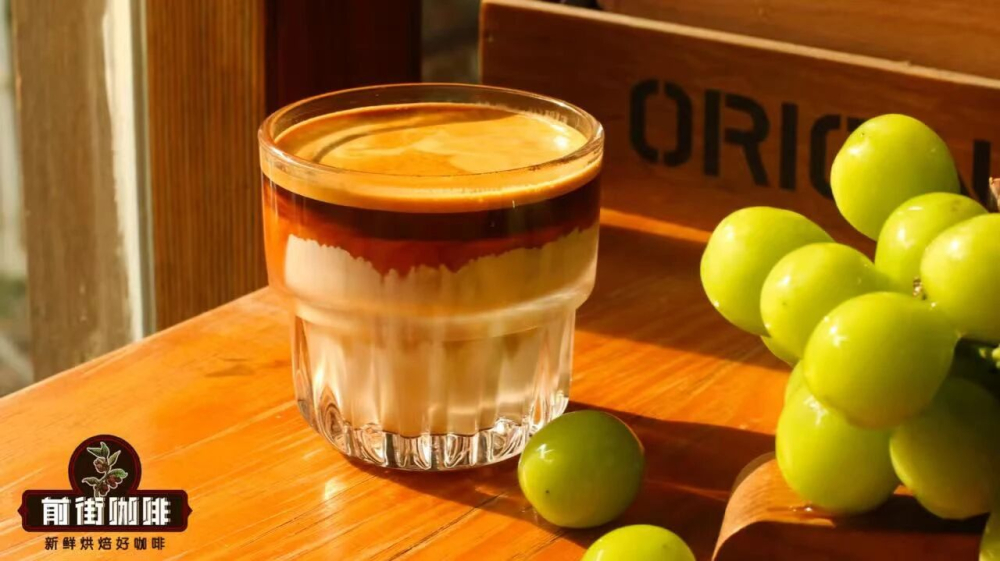
When talking about SOE, it’s important to first clarify its definition. SOE stands for Single Origin Espresso, which can be directly translated into Chinese as “single-origin espresso.” It may sound quite technical, but the principle is actually quite simple: it’s espresso made from coffee beans sourced from a single region and of a single variety, extracted under high pressure with an espresso machine. Similarly, SOE lattes and SOE americanos are also coffee beverages made using single-origin beans. Its emergence has shown that even without complex blends, the inherent potential of coffee can still shine through.
However, SOE does not necessarily mean “tastier” or “higher-end.” Some consumers mistakenly believe that SOE is inherently more delicious than blends, which is actually a major misconception. The overall performance of a cup of coffee depends on multiple factors, including bean quality, roast level, extraction equipment, brewing technique, and even individual taste preferences. SOE simply indicates the use of single-origin beans, but if other aspects aren’t well-matched, it may not perform up to its potential. Additionally, in terms of price, it’s not necessarily more expensive than blends—it depends on the bean origin and processing methods.
Although both single-origin coffee and SOE emphasize “single origin,” their applications are vastly different. Regular single-origin coffee is commonly brewed via pour over to allow drinkers to savor the original flavors, while SOE is specifically designed for espresso extraction, using high pressure to intensify and highlight the characteristics of the single-origin beans. Moreover, the biggest difference between SOE and traditional espresso blends lies in the bean source: SOE insists on a single origin, whereas traditional espresso often uses multi-country blends to ensure flavor consistency and stability.
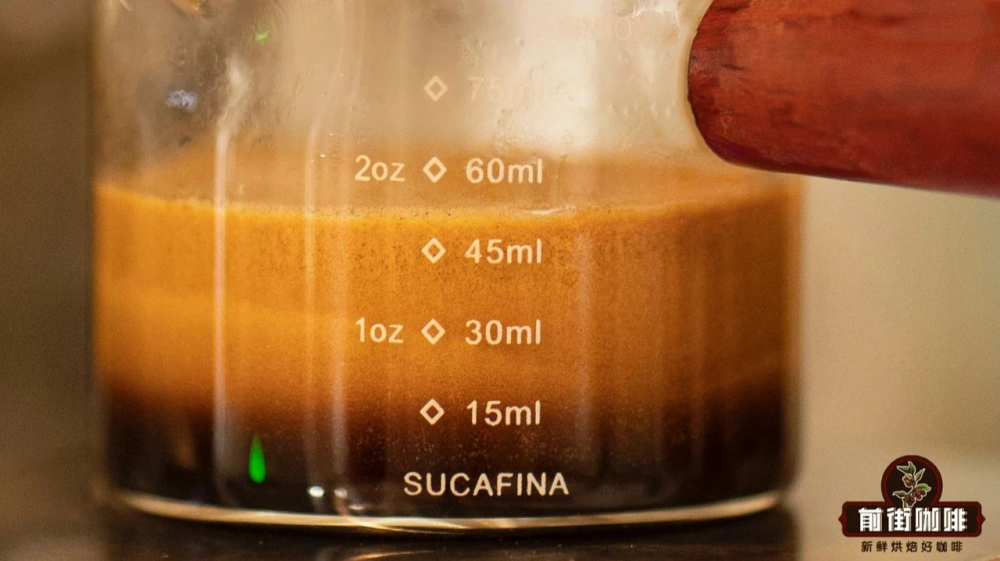
When selecting an SOE, it’s recommended to prioritize beans with rich flavor layers and high recognizability. The goal of using single-origin beans for espresso is to allow lovers of espresso or milk-based coffee to clearly perceive the unique personality of the beans from that specific origin. If a single-origin bean lacks distinct flavor characteristics, its profile might be easily overshadowed by the milk or the bitterness of the espresso, in which case choosing a well-balanced blend may better suit your needs.
In addition, it’s worth noting that the flavor stability of SOE is generally not as consistent as that of blends. Since single-origin beans are more susceptible to natural factors such as regional climate, harvest season, and processing methods, beans from the same origin may exhibit slight flavor variations across different years or batches. This is also why, at the same café, even if you order the same SOE, it might sometimes taste slightly different—that’s actually normal and has nothing to do with the barista's skills, but rather reflects the natural variance of single-origin beans.
Choosing the right roast level according to your flavor preference is also an art in itself. If you enjoy bright, refreshing floral and fruity notes, you can opt formedium-roasted beans from African origins, such as Ethiopian Yirgacheffe or Geisha varieties, which often feature citrus, floral, and tea-like characteristics; if you prefer flavors with pronounced sweetness and low acidity, considermedium-roasted beans from the Americas, such as those from Costa Rica, which often showcase berry, caramel, or even honey-like aftertastes; for those who don’t enjoy acidity, it’s recommended to choosemedium-dark roasted beans from South American or Asian origins, such as Brazil, Colombia, or Indonesia’s Mandheling, which typically offer rich chocolate, nutty, and spicy notes, suitable for pairing with milk or drinking black.
The above content is compiled by CoffeeHunters, a coffee news website.


