








Introduction:Cold brew coffee, with its refreshing sweet and sour profile and low bitterness, has become the summer favorite of many coffee enthusiasts, and even enjoys a loyal following in winter. This article delves into the differences between cold brew and hot brew in terms of extraction principles and flavor profiles, helping you understand the science behind low-temperature slow extraction, and offers practical advice on bean selection, grind size, coffee-to-water ratio, and steeping time. Finally, we recommend four specialty coffee beans with prominent fruity and floral notes that are ideal for cold brew, to help you easily brew your desired flavor.
Icy cold coffee brings a refreshing sensation in the sweltering summer, and even in winter, many consumers remain enamored with that cool, sweet and sour sip. Cold brew coffee and traditional hot brew coffee differ greatly in their extraction methods, resulting in distinctly different flavor profiles. This article starts with the origins of cold brew, analyzing how low-temperature extraction affects flavor release, and details the key elements in the brewing process — including bean variety selection, grind coarseness, coffee-to-water ratio, and storage methods. Finally, we handpick four specialty coffee beans with distinct fruity and floral flavors that are well-suited for cold brew, helping you easily discover your ideal iced coffee profile.
Cold brew coffee refers to a method where coffee grounds are steeped in room temperature or cold water for an extended period to slowly extract flavors. Common products like ice drip coffee and cold steeped coffee both fall under the broad category of cold brew. Interestingly, this extraction method, which doesn’t require high temperatures, can be traced back to 16th-century Europe. At the time, Dutch sailors, unable to use hot water to brew coffee during voyages, experimented with soaking coffee grounds in cold water and unexpectedly discovered that this produced a smoother, less irritating taste. This practice gradually spread around the world. As for ice drip coffee, which uses a dripping method for low-temperature extraction, it gained greater popularity thanks to specialized equipment invented by Japanese artisans.

During the cold brew process, due to the lower water temperature, the extraction rate is significantly reduced, requiring much more time to fully release aromatic compounds. Generally, cold steeped coffee is made using a 12-hour steeping method, while ice drip coffee operates at a flow rate of about 7 to 8 drops per 10 seconds, taking roughly 7 to 8 hours in total. In hot brew processes, the release sequence of aroma components usually follows small fruit acid molecules → sweet-tasting compounds → and finally larger bitter molecules. The high temperature environment can also make various compounds unstable, increasing the risk of over-extraction or flavor imbalance. In contrast, cold brew at low temperatures reduces the dissolution of bitter substances. Although overall body and richness may be slightly lighter, it highlights the coffee’s bright acidity and fruity characteristics.
Making cold brew coffee has a relatively low barrier to entry — just fresh coffee beans, a grinder, and an airtight container are enough to get started. However, if you’re aiming for better flavor performance, the following details should not be overlooked. First is the choice of coffee beans. Regardless of the brewing method used, the freshness of the beans is always key. It is recommended to use beans roasted within 5 days to ensure flavor vibrancy. For cold brew flavor profiles, we especially recommend the following four specialty coffee beans with notable fruity and floral characteristics:
Rich fruit tea-style cold brew coffee beans — Natural Hua Kui
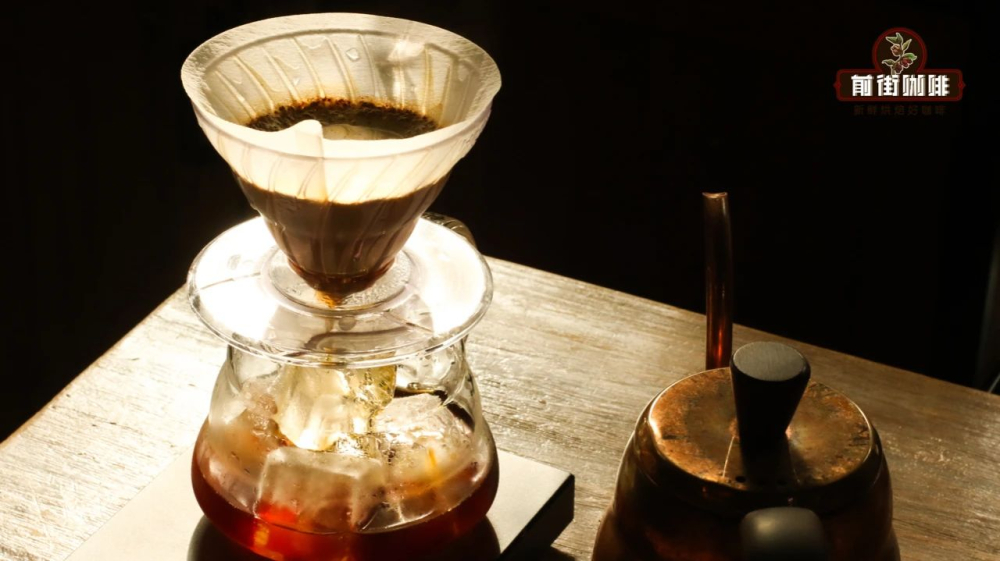
This Hua Kui coffee bean is processed using the natural (sun-dried) method. The beans come from ripe coffee cherries with high pulp sugar content. After sun fermentation, they contain abundant fructose, imparting the coffee with intense fruity aromas and sweetness. When brewed as cold brew, it showcases vibrant notes of berries and passionfruit, with a pronounced juiciness upon entry and a soft black tea-like aroma in the aftertaste.
Juicy cold brew coffee beans — Kenyan Little Tomatoes
Kenyan-origin coffee is known for its pronounced berry characteristics. This particular bean gives off a refreshing scent of small tomatoes and dark plums even when ground. The flavors become even more three-dimensional after brewing, resembling freshly squeezed juice with a sweet and sour profile, along with layers of dark plum, brown sugar, pluot, and various berries. The finish is long-lasting and full-bodied.
Tropical fruity cold brew coffee beans — Colombian Sidra
Grown at the Boundary Line Estate in Huila, Colombia, at an altitude of 1700 meters, the Sidra variety is processed using a double anaerobic natural (sun-dried) method. This coffee, when brewed as cold brew, presents rich notes of passionfruit, grape, and dried fruit sweetness, with a bright acidity reminiscent of pomelo. The finish carries delicate almond-like undertones, making it a favorite among returning customers.
Fresh fruity cold brew coffee beans — Panamanian Geisha (also known as Flower Butterfly)
Sourced from the Guji Uraga region of Ethiopia, the Geisha (Flower Butterfly) variety is grown in fertile black soil. Washed processing highlights its clear floral and citrus notes. Cold brew made from this bean offers a refreshing sweetness similar to pomelo tea, making it ideal for those who enjoy bright acidity and a balanced fruity profile.
Regarding grind size, it is recommended to go slightly finer than pour over — aim for about 85% passing through a #20 sieve as a reference, which helps achieve balanced flavor release during the long steeping period. As for the coffee-to-water ratio:1:10 to 1:12is the ideal range. The brewed coffee can be consumed directly or adjusted with ice cubes according to personal preference to modify strength.
The recommended steeping time is12 to 14 hours,which you can prepare the night before and filter the next morning for enjoyment. Be especially mindful that steeping beyond 24 hours can lead to over-extraction, resulting in unpleasant bitterness. Additionally, store the coffee in a well-sealed container and keep it in the refrigerator to avoid absorbing surrounding odors, which could affect the final flavor.
The above content is compiled by CoffeeHunters, a coffee news website.


