








Introduction:Many beginner coffee enthusiasts often encounter over-extraction when using a Moka pot, resulting in bitter, harsh flavors with heavy off-notes, and even an undrinkable cup. In reality, this is related to channeling effects, improper heat control, and imbalances between grind size and water volume. This article delves into these three key factors, offering practical adjustment suggestions and operational details to help you master the correct Moka pot extraction techniques and consistently brew rich, balanced coffee.
The Moka pot is a pressurized brewing tool capable of efficiently extracting coffee flavors in a short time. However, due to its high pressure and temperature characteristics, it’s easy to over-extract if not handled carefully, leading to intense bitterness and unpleasant off-flavors. Many users report that even when following the official instructions, they still end up with bad-tasting coffee—this is often closely related to several common mistakes. The following will explore these issues from three perspectives: channeling effects, heat management after the coffee starts flowing, and the match between grind size and water volume, helping you identify the root causes and providing specific ways to improve.
First, many people using a Moka pot often overlook the impact of "channeling." Channeling refers to the phenomenon where hot water, as it passes through the coffee puck, concentrates its flow through the path of least resistance. This leads to over-extraction in those areas while under-extracting others, resulting in an unbalanced final cup with pronounced bitterness or sourness. The main cause of this issue is related to how evenly the coffee grounds are distributed.

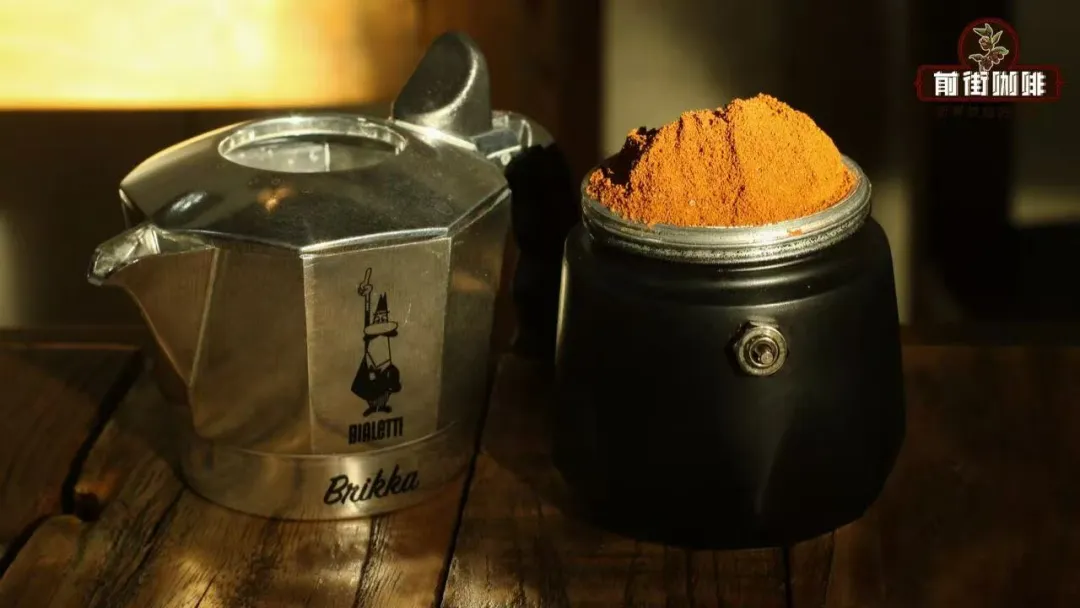
Uneven distribution of coffee grounds is one of the most common culprits. If the coffee grounds in the filter basket are not evenly spread, the density of the puck after tamping will be inconsistent, and the water will naturally find the path of least resistance to flow through quickly. To avoid this, it is recommended to check whether the coffee grounds are evenly distributed in the basket before tamping. If there are obvious areas of varying density, gently use your fingers to even them out, then lightly tap the bottom of the basket to compact the grounds more uniformly before tamping. This helps create a puck with consistent density, reducing the likelihood of channeling.
In addition, the initial water temperature and heat level can also indirectly affect the occurrence of channeling. Brewing with a Moka pot relies on heating to generate steam and build pressure. But if you start with a low flame or cold water, it takes longer for steam to form, causing the bottom of the puck to remain damp for too long and its local density to decrease, thus forming channels that are easily breached by hot water. Therefore, it is recommended to heat the Moka pot using a medium to high flame before extraction, and to use water as close to boiling as possible. This helps shorten the preheating time and ensures the puck is heated uniformly, reducing issues caused by uneven wetting.
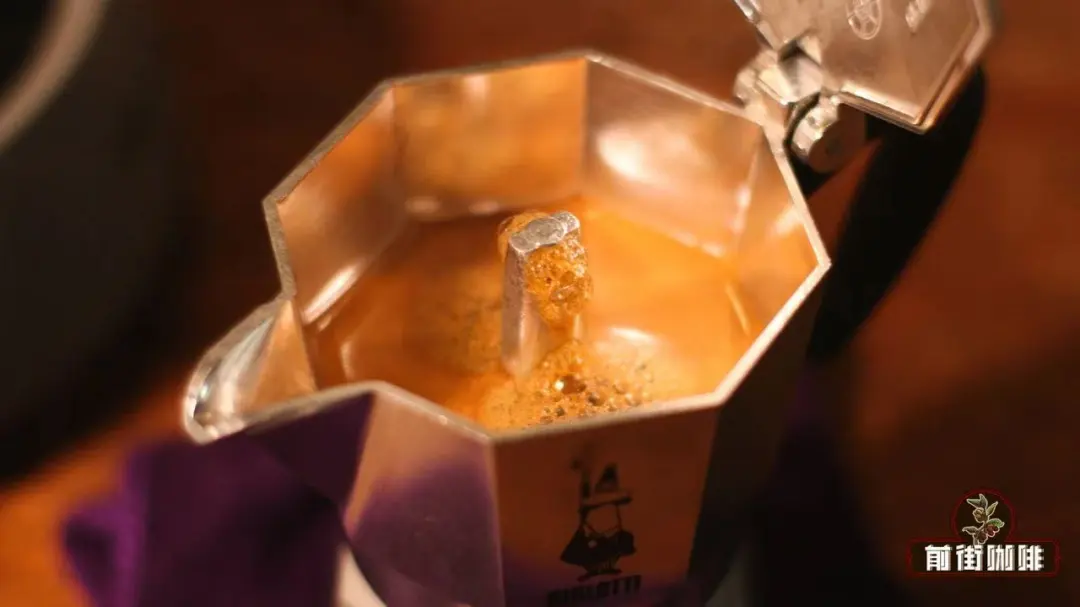
Another common mistake is maintaining a high flame even after the coffee begins to flow. Once you see coffee coming out from the top chamber, you should immediately reduce the heat to the lowest setting or even turn it off completely, allowing the residual heat inside the pot to complete the extraction. Continuing to use a high flame after the coffee starts flowing will cause excessive pressure inside the pot, making the hot water pass through the puck too quickly. This not only shortens the extraction time but also easily re-triggers channeling, resulting in a coffee that is both bitter and sour, lacking the desired complexity and balance.
Finally, grind size and water volume are also crucial factors affecting the quality of Moka pot extraction. Many users, when using a Moka pot for the first time, follow the manufacturer’s recommended coffee-to-water ratio (e.g., 120ml of water for a 2-cup Moka pot along with the corresponding amount of coffee). However, if using an extremely fine grind—close to the powder-like consistency used in espresso machines—special attention should be paid to the water volume. Fine-ground coffee releases flavor compounds quickly, and too much water can lead to over-extraction, resulting in bitter, unpleasant flavors.
If you’re using pre-ground coffee and cannot adjust the grind size, it’s recommended to control the overall extraction rate by reducing the water volume. You can start by slightly decreasing the suggested water amount (for example, by about 10–15%) and observe whether the coffee flavor improves. Additionally, you might try switching to a medium-fine grind to find the optimal balance point for your specific Moka pot and coffee beans, resulting in a smoother, cleaner cup rather than one that’s overly intense yet lacks nuance.
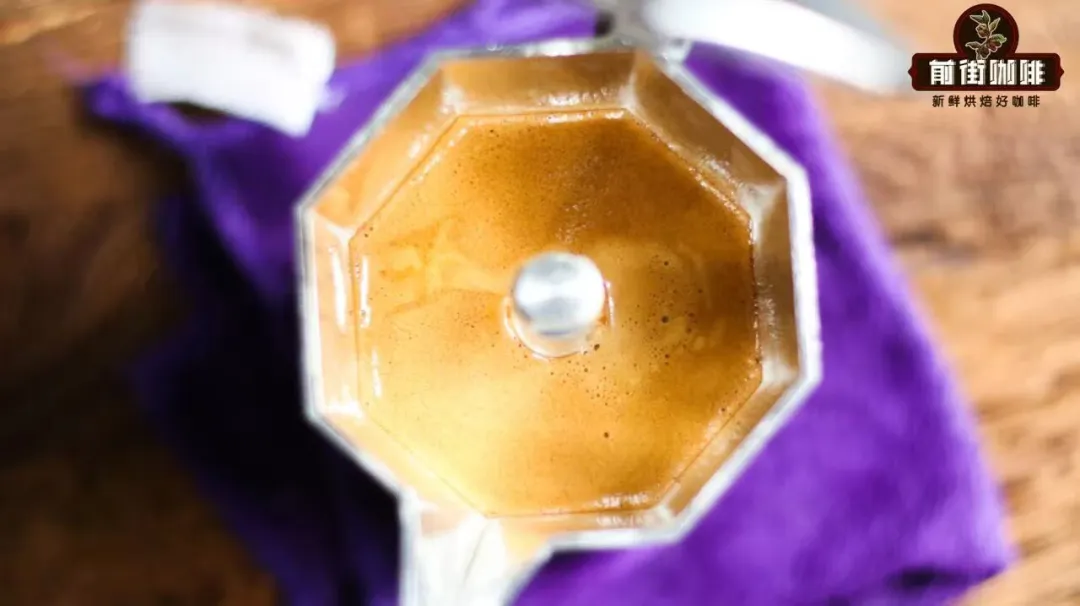
In summary, to avoid bitter, over-extracted coffee from a Moka pot, the key steps are ensuring even distribution of coffee grounds, controlling the initial heating flame and water temperature, reducing the heat immediately after the coffee starts flowing, and adjusting the water volume appropriately based on grind size. These details may seem simple, but they can significantly enhance your Moka pot experience and the quality of the coffee you brew. If you’ve ever been frustrated by your Moka pot results, try adjusting these three aspects—and you’ll likely be able to brew coffee that’s closer to the ideal flavor profile.
The above content is compiled by CoffeeHunters, a coffee news website.


