








Introduction:Have you heard the claim that "light-roasted coffee is especially acidic," yet never quite understood why some coffees taste refreshingly bright while others are sour and hard to drink? This article delves into the sources of coffee acidity and how it relates to roasting changes, explaining why even extremely light roasts might not be acidic, and recommending five single-origin beans with distinct floral and fruity aromas. This will help you choose the acidity experience that best suits your taste preferences.
It’s often believed that the lighter the roast, the more acidic the coffee. However, this notion is overly simplistic. The acidity in coffee doesn’t just come from roasting—it exists in the green beans themselves and continues to form and break down during roasting. The stage where acidity is most pronounced is usually medium-light roasting; extremely light roasts may instead exhibit a balanced, soft acidity with sweetness. This article will start with the scientific principles behind acidity, complemented by cupping notes from a Papua New Guinea washed Typica, to explain how acidity manifests at different roast levels. We also handpicked five vibrant, fruity single-origin beans to help you find your ideal acidic coffee experience.

Walk into a café, and you’ll often meet customers who prefer lighter-bodied coffee and are sensitive to acidity—especially when encountering the distinct sourness of light-roast coffee—which can leave an unpleasant impression and lead to the stereotype that "the lighter the roast, the more acidic the coffee." But the reality isn’t so straightforward. This perception actually involves the mechanisms of acidity formation and volatilization, as well as the subtle influence of roasting timing.
Green coffee beans naturally contain various organic acids, including malic acid, citric acid, tartaric acid, chlorogenic acid, and phosphoric acid. As the beans enter the roasting process, the sugars and acids inside begin reacting to heat—some acids break down, while others are newly formed, such as formic acid, acetic acid, lactic acid, fumaric acid, and quinic acid. Interestingly, as the roast level deepens, these acids are gradually destroyed or volatilized.
The most dramatic changes in acidity typically occur during the development phase after the "first crack" (the sound made when internal steam pressure causes the bean to rupture). In the early stage of first crack, highly volatile acids like formic and acetic acids are rapidly generated, making the acidity pronounced; toward the end of first crack, acidity peaks, then begins to decline. Meanwhile, citric acid and malic acid, which already exist in the green beans, gradually decompose as roasting time increases. These two acids typically bring a softer, more pleasant acidity, differing from the intense, sharp sensation of acetic and formic acids.
Additionally, after first crack begins, the sucrose in the coffee beans is gradually consumed, reducing sweetness and making acidity more prominent in medium-light roasts. However, extremely light and light roasts preserve relatively more sucrose, and the total amount of organic acids hasn’t yet accumulated significantly, resulting in an overall flavor that’s acidic yet sweet, with a gentler mouthfeel. Particularly for certain high-sugar green beans, light roasting can even highlight noticeable sweetness.
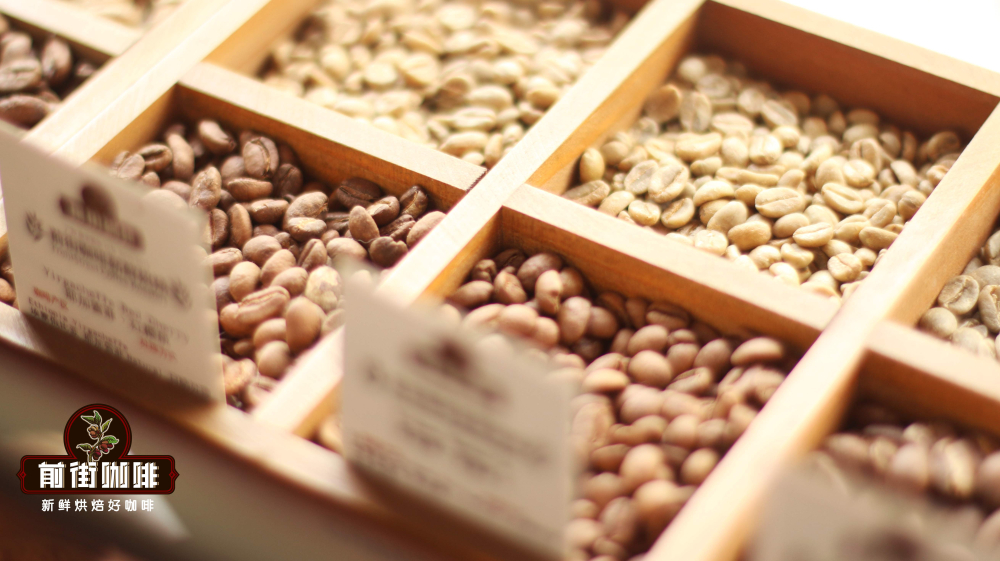
To better understand how roast levels affect acidity, we used a Papua New Guinea washed Typica as an example, conducting two roasting tests with different development times while keeping the yellowing point before first crack and the start of first crack the same, adjusting only the development time after first crack:
First bean: 1 minute 20 seconds after first crack, drop temperature around 190.5°C (mid-stage of dense first crack)
Result: The acidity is soft upon entry, with sweetness quickly following, but the overall aroma is relatively simple, with a slight ginseng-like scent.
Second bean: 1 minute 40 seconds after first crack, drop temperature around 191.8°C (late stage of first crack)
Result: The acidity is brighter and clearer, slightly higher in intensity, with sweetness appearing later, but the aroma is more layered, showing distinct fruity notes.
This experiment shows that acidity isn’t just a matter of roast level being “light” or “dark,” but is closely related to the development time after first crack. Roasting too lightly can also make the coffee taste underdeveloped or grassy, negatively affecting the overall drinking experience.
If you’re a fan of acidity, especially coffee with floral and fruity profiles, here are five single-origin beans worth trying:
1. Bright citrus acidity + white floral notes —— Fruit Ding Ding washed Typica
From a well-known smallholder cooperative in Ethiopia, processed via washed method, it’s considered by many as the “purest form of Yirgacheffe.” This bean features a refreshing citrus and lemon acidity, complemented by soft jasmine floral notes, perfect for pour over lovers who enjoy delicate fruity acidity.
2. Rich berry aroma + cherry tomato acidity —— Kenya Little Tomato
Using SL28 and SL34 varieties, processed through K72 washed method, this coffee has clean and layered acidity. Its berry and tomato-like sour notes shine especially in cold brew or iced coffee, offering a sweet-tart balance that’s perfect for summer refreshment.
3. Raisin + fruit gummy aroma —— Strawberry Candy (Central American blend)
Combining Costa Rican honey-processed beans with Panamanian Geisha washed, this medium-roast highlights rounded sweetness and multiple fruit flavors. Suitable for pour over, espresso, and cold brew, it’s great for those seeking balanced sweet-tart profiles.
4. Passionfruit acidity + blueberry sweetness —— Colombia Big Belly
From the Huila region in Colombia, processed by Finca La Línea using double anaerobic natural method, it releases intense tropical fruit aromas. Especially suited for coffee lovers who enjoy a juicy, sweet-tart profile.
5. Citrus acidity + pomelo honey notes —— Flower Butterfly
Comprising Geisha, Caturra, and Catuai varieties from Panama’s Boquete region. Washed processing brings out clear citrus tones and honey-tea notes. With a high Geisha content, the flavors are delicate and bright, ideal for brewing methods that combine floral-fruity and tea-like characteristics.
The above content is compiled by CoffeeHunters, a coffee news website.


