







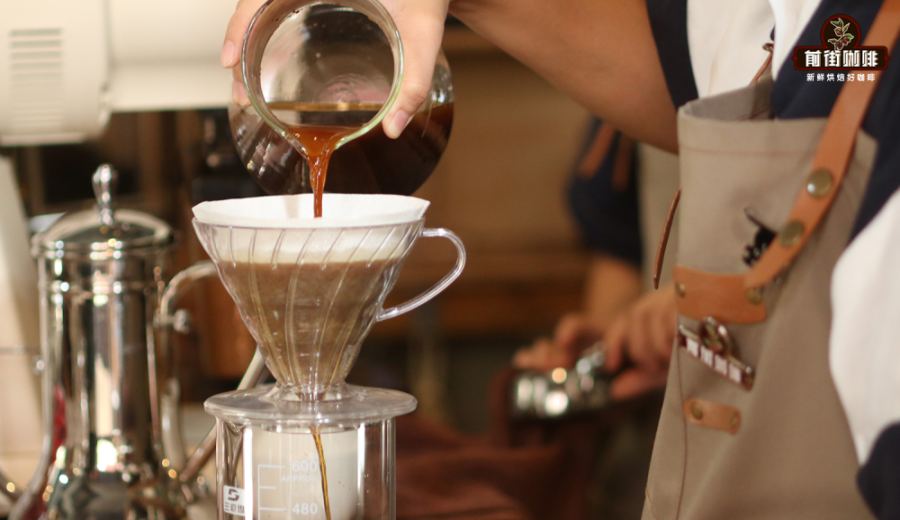
Introduction:To easily brew a refreshing yet complex cold brew coffee at home, selecting the right coffee bean variety, mastering the correct grind size, and getting the coffee-to-water ratio right are key. This article delves into the essentials of making cold brew, including recommended bean types, grind coarseness suggestions, coffee-to-water ratio ranges, steeping time, and filtration methods. We also recommend three outstanding medium to light roasted beans to help you craft a clean, balanced, and flavorful iced coffee.
As summer approaches, many coffee enthusiasts begin searching for delicious and refreshing ways to make iced coffee. Cold brew, with its simple process and no need for specialized equipment, has become the go-to choice for home brewing. However, brewing a cup of cold brew that is clean in flavor and balanced in taste isn’t as simple as using any old bag of coffee beans. Every step—from bean selection and grind size to coffee-to-water ratio and steeping time—can greatly affect the final outcome.
First, when it comes to bean selection, medium to light roasted coffee beans are recommended. These beans usually have a fresher flavor profile with bright acidity, complementing the cold brew extraction method by highlighting more pronounced fruity, floral, and tea-like notes. The overall taste tends to be cleaner, more refreshing, and better balanced.Although dark roasted beans are rich in flavor, they can easily produce an overly heavy taste during cold brewing and may even leave behind a burnt or bitter aftertaste, so they are not recommended as a first choice.
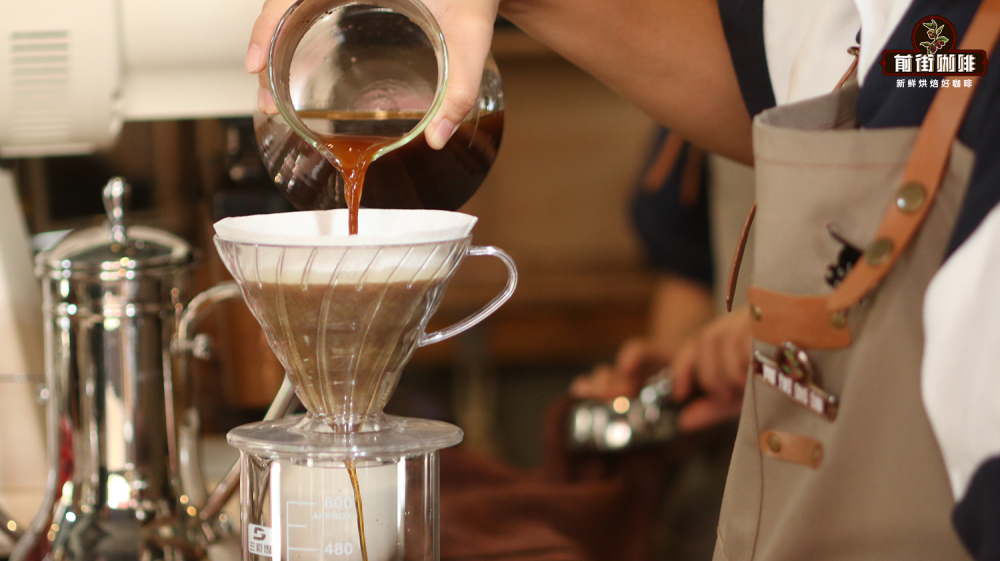
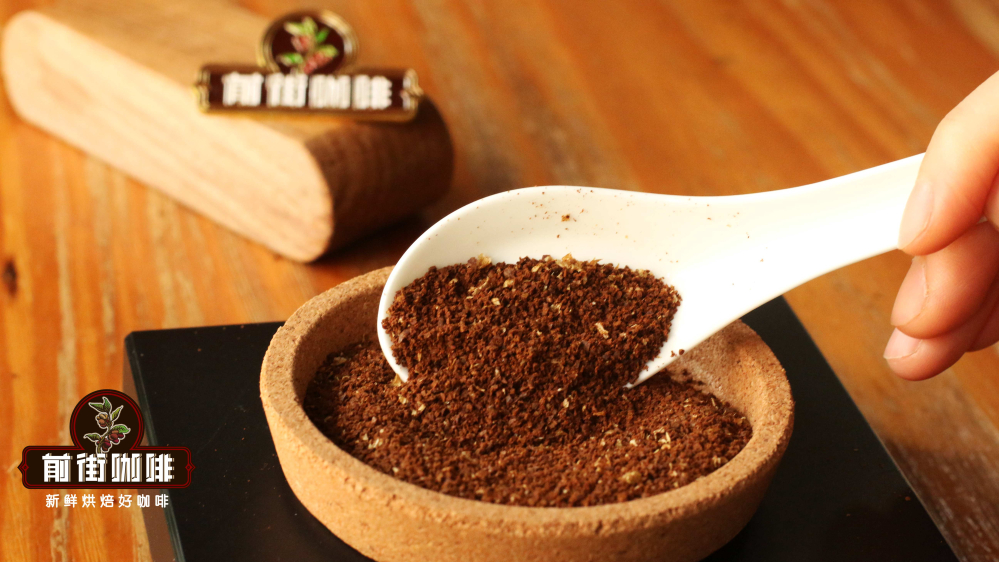
In practice, the standard cold brew recipe often uses 50 grams of coffee grounds mixed with 400 to 600 milliliters of ice water, which means the coffee-to-water ratio falls roughly between 1:10 and 1:12. If you're only making a single serving, you can reduce the coffee grounds to 20 grams and adjust the quantity flexibly. The grind size of the coffee should be controlled to be similar to that of fine sugar. Using the commonly used No. 20 sieve in China as a reference, the extraction rate should be around 75% to 85%. This grind size helps extend the extraction time while avoiding over-extraction or the release of unwanted sediments.
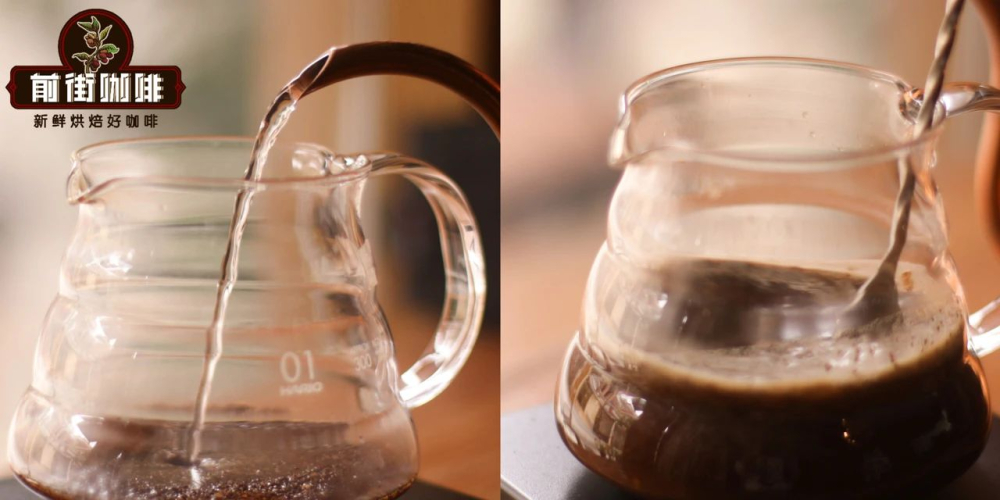
After placing the ground coffee into a glass container, you can choose to add a mixture of room temperature water and ice cubes—for example, 400 milliliters of water with 200 grams of ice, keeping the total volume around 600 milliliters. Stir well to ensure all the coffee grounds are saturated, then seal and place the container in the refrigerator to steep. The generally recommended steeping time is 8 to 16 hours, but if you prefer a cleaner flavor and want to avoid over-extraction,8 to 12 hours is the optimal range, especially in high-temperature summer environments, where excessively long steeping times should be avoided to prevent off-flavors.
Once steeping is complete, filter the coffee grounds using filter paper or a filter cloth to obtain a clear cold brew coffee liquid. To make the flavor rounder, it’s recommended to pour the filtered coffee into a clean, sealed bottle and let it chill in the refrigerator for about 2 to 4 hours before drinking. This resting period allows the flavors to further integrate, resulting in a smoother and more balanced taste.Additionally, if not consumed immediately, the cold brew coffee liquid can be stored in the refrigerator for about 5 days. However, to maintain optimal flavor and hygiene, it’s best to finish it within a week.
As for beans suitable for cold brew, we recommend the following three outstanding medium to light roasted varieties. The first is Panama Geisha Hacienda La Esmeralda (commonly known as "Flower Butterfly"). This washed-processed bean contains 70% Geisha variety, offers a clear flavor profile, and delivers great value. After cold brewing, it showcases delicate floral notes, citrus tones, and a lingering aftertaste reminiscent of oolong tea, resulting in an overall refreshing and pleasant cup.
The second recommendation is Ethiopia Yirgacheffe Red Cherry Project, a naturally processed Yirgacheffe with intense tropical fruit and berry aromas. When cold brewed, it presents bright berry acidity, honey sweetness, and a layered fruit structure, making it perfect for those who enjoy fruity profiles.
The third is Mozart from Costa Rica’s Musician Series. This bean is processed using anaerobic honey fermentation, boasts extremely high flavor recognition, and after cold brewing emits strong osmanthus, grape, and lightly fermented wine notes. It has a rich yet refreshing mouthfeel, making it a must-try for coffee lovers who appreciate complex flavors.All three of these beans, based on their medium to light roasting foundation, pair exceptionally well with the cold brew technique, delivering a clean, bright, and layered drinking experience.
In summary, making a satisfying cup of cold brew coffee hinges on selecting the right bean variety, mastering appropriate grind coarseness and coffee-to-water ratio, and allowing sufficient—but not excessive—steeping time. By adjusting according to the suggestions above, you can easily and consistently brew at home a cold brew that is refreshingly crisp, rich in subtle flavors, and perfect for enjoying a cool summer coffee moment.
The above content is compiled by CoffeeHunters, a coffee news website.


