








Introduction:The charm of a latte lies half in the coffee and half in the milk. How do you choose the right espresso beans and fresh milk to achieve a creamy yet layered milk coffee? This article takes you through the history of milk coffee, analyzes the golden ratio of lattes, and recommends several espresso blends and single-origin beans perfect for making lattes and flat whites. From nutty chocolate notes to floral and fruity aromas, it helps you strike the ideal balance between milkiness and coffee flavor.
The practice of drinking coffee with milk has a history of over three centuries. From 17th-century European aristocrats adding milk to soften the astringency of tea, to the popularization of Italian espresso machines in the 20th century that led to the birth of cappuccinos and lattes, the evolution of milk coffee has never stopped. Today, the market offers a variety of milk coffees, such as lattes, flat whites, and cappuccinos, but the key to brewing a truly great milk coffee lies in the perfect pairing of espresso beans and milk.
This article not only reviews the cultural evolution of adding milk to coffee but also delves into the golden ratio and extraction essentials of lattes. It also curates several espresso blends and single-origin beans ideal for making lattes, ranging from classic, rich nutty and chocolatey profiles to bright floral and fruity notes. It further explores tips for selecting whole-fat fresh milk, helping you master the art of flavor balance in milk coffee—from beans to milk.

The history of milk coffee dates back about 360 years. It is said that around 1660, Nikhoff, the Dutch governor of Batavia (now Jakarta) in Indonesia, was one of the first to mix coffee with milk. His inspiration came from the tea-drinking habits of the British upper class—at the time, tea was expensive and only enjoyed by the aristocracy. To reduce the bitterness of the tea, they would add a small amount of milk. Nikhoff found that coffee had a similar astringency and tried adding milk to balance it, marking one of the earliest recorded instances of coffee with milk.
In the 20th century, with the invention of the Italian semi-automatic steam-pressure espresso machine, espresso became widely available, opening up more possibilities for combining milk with coffee. The earliest cappuccinos and lattes were not strictly distinguished—the term “caffe latte” literally translates to “coffee with milk.” This combination quickly became part of everyday Italian life and laid the foundation for modern milk coffee.
Among the many types of milk coffee, the latte is widely loved for its smooth and delicate texture. A classic latte recipe from a certain shop uses 40 grams of espresso liquid paired with 260 grams of steamed milk—a perfectly balanced ratio that fully showcases the harmony between coffee and milk. Notably, the whole-fat fresh milk used is pasteurized, retaining more natural fats and flavor compounds, resulting in a creamier and richer taste.
It’s worth noting that even within lattes, the flavor can vary greatly depending on the shop, often due to differences in milk and coffee bean selection. This difference is especially pronounced when making iced lattes.
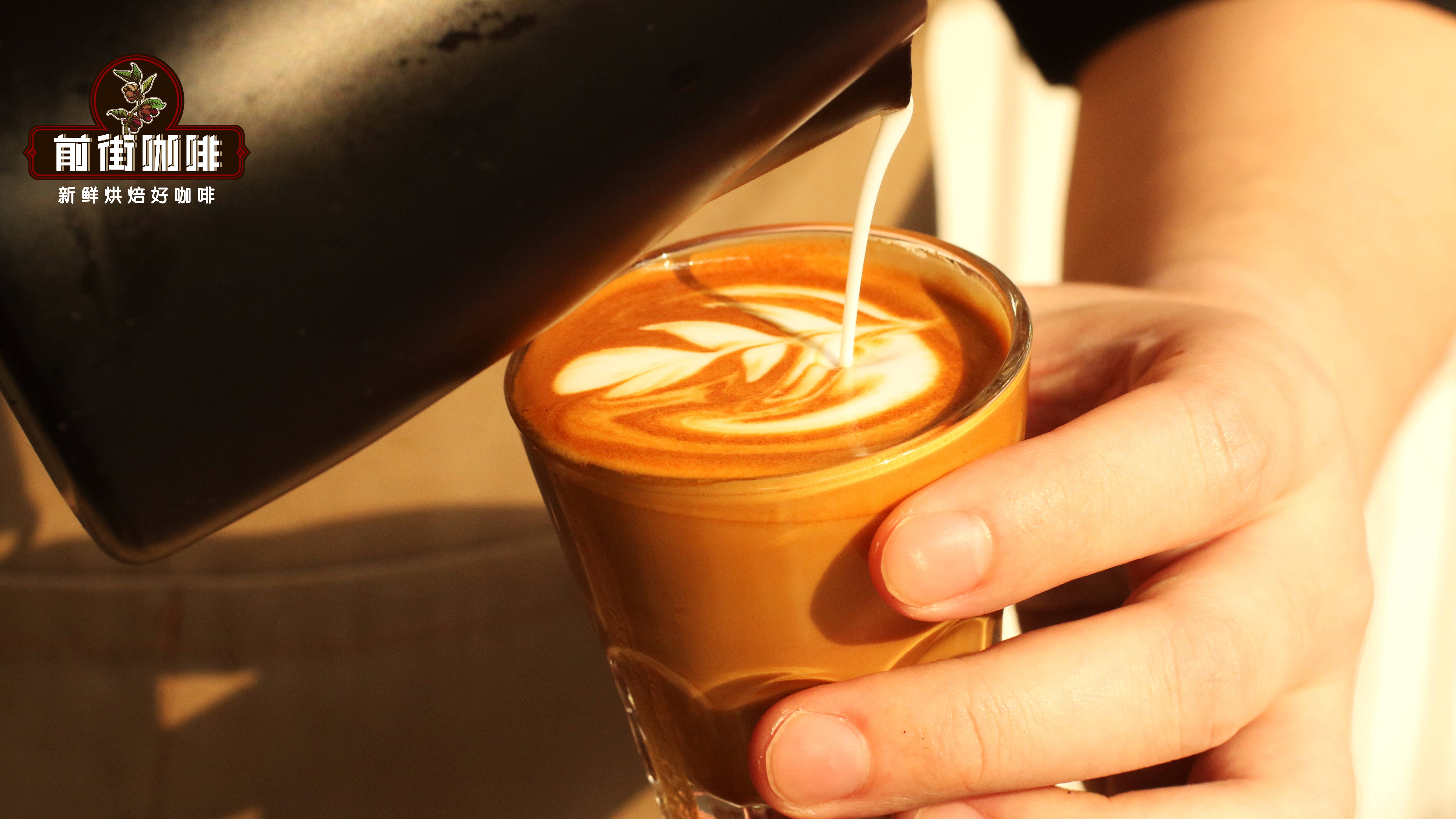
The flavor characteristics of the coffee beans directly influence the final profile of a latte. For example, using classic espresso blends often highlights rich nutty, chocolatey, and caramel aromas, catering to those who prefer a fuller-bodied taste. Here are two recommended classic blends suitable for lattes:
1. A Certain Shop’s Classic Espresso Blend
Flavor Profile: High body with distinct hazelnut, chocolate, and buttery notes, and a caramel cookie-like finish. The crema is smooth and long-lasting, making it a top choice for many latte enthusiasts.
2. A Certain Shop’s Dark Cocoa Espresso Blend
Flavor Profile: Centered around nuts, cream, and cocoa, with a hint of acidity adding layers and a noticeable aftertaste. It’s well-balanced, easy to drink, and offers excellent value, making it a great everyday bean.
If you prefer more floral and fruity notes in your milk coffee, consider these two SOEs or specialty blends:
1. A Certain Shop’s Strawberry Candy Espresso Blend
Flavor Profile: Delivers sweet notes of cream, berries, and raisins, accompanied by subtle floral hints. The aftertaste resembles cranberry cookies and almonds, suiting those who enjoy fresh fruity profiles.
2. A Certain Shop’s Colombian Gesha SOE
Flavor Profile: Bursting with sweet aromas of passionfruit, grapes, and blueberries, it offers rich layers and a long-lasting finish, leaving a lingering fragrance. It’s an excellent choice for floral and fruity milk coffee.
Additionally, a certain shop’s outlet often uses a blend called “Sunflower Warm Sun,” which features warm caramel, vanilla, and creamy flavors. It’s particularly suited for crafting cozy winter lattes and is a classic representation of caramel and chocolatey profiles.
Beyond coffee bean selection, milk is another crucial factor influencing latte flavor. There are numerous brands of whole-fat fresh milk on the market, with flavor profiles ranging from rich to mild. It’s recommended to choose fresh milk with a fat content of around 3.2% to 3.8% based on personal preference. Too high a fat content may mask the delicate flavors of the coffee, while too low may result in a thin overall taste. Pasteurized whole-fat fresh milk usually retains milk aroma while providing better foam stability and blending performance, making it an ideal choice for lattes.
The above content is compiled by CoffeeHunters, a coffee news website.


