








Introduction:As an important coffee-growing region in East Africa, Tanzania is renowned for its coffee's gentle sweetness and distinctive wine-like characteristics. Its green bean grading system is similar to Kenya's but with more localized features. This article delves into the flavor profiles of Tanzania’s main producing regions, the logic behind both official and unofficial grading systems, and provides practical roasting and pour-over parameters using washed Kilimanjaro coffee as an example—offering key insights into this specialty coffee that balances complexity and harmony.
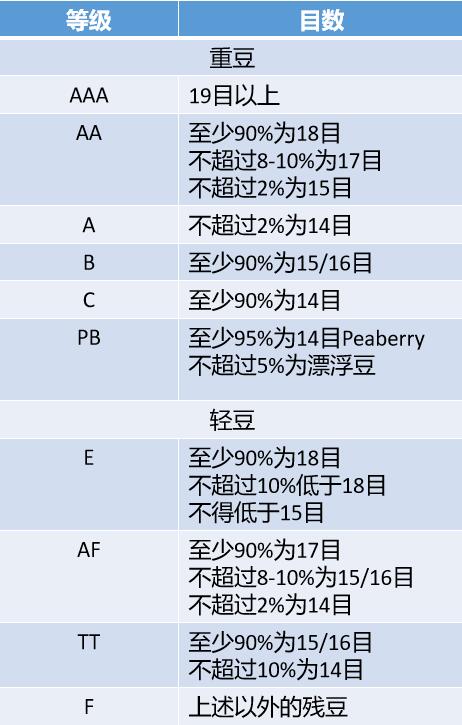
Tanzania is a highly promising coffee-producing nation in East Africa. Though its green bean grading system resembles Kenya’s, private green bean traders often further refine the grades on top of the official standards, creating custom designations such as AA top and AB plus. The official highest grade is AAA, while the commonly seen Tanzanian AA washed beans are noted for their balanced and gentle flavors, prominent sweetness, and rich wine-like notes. This article will comprehensively explore the unique charm of Tanzanian coffee—from regional geography and historical background, to grading standards and practical brewing applications.
Compared to its neighbor Kenya, Tanzania has a longer history of coffee cultivation, dating back to 1893 when Arabica seeds from Réunion Island were introduced and successfully grown on the slopes of Mount Kilimanjaro. Although it is slightly less internationally renowned than Kenya, Tanzania produces around 50,000 metric tons annually, comparable to Kenya. Tanzanian coffee exhibits milder acidity than Kenyan coffee, with a smoother mouthfeel, outstanding sweetness, and often a distinct wine aroma—features that set it apart from other East African producing regions.
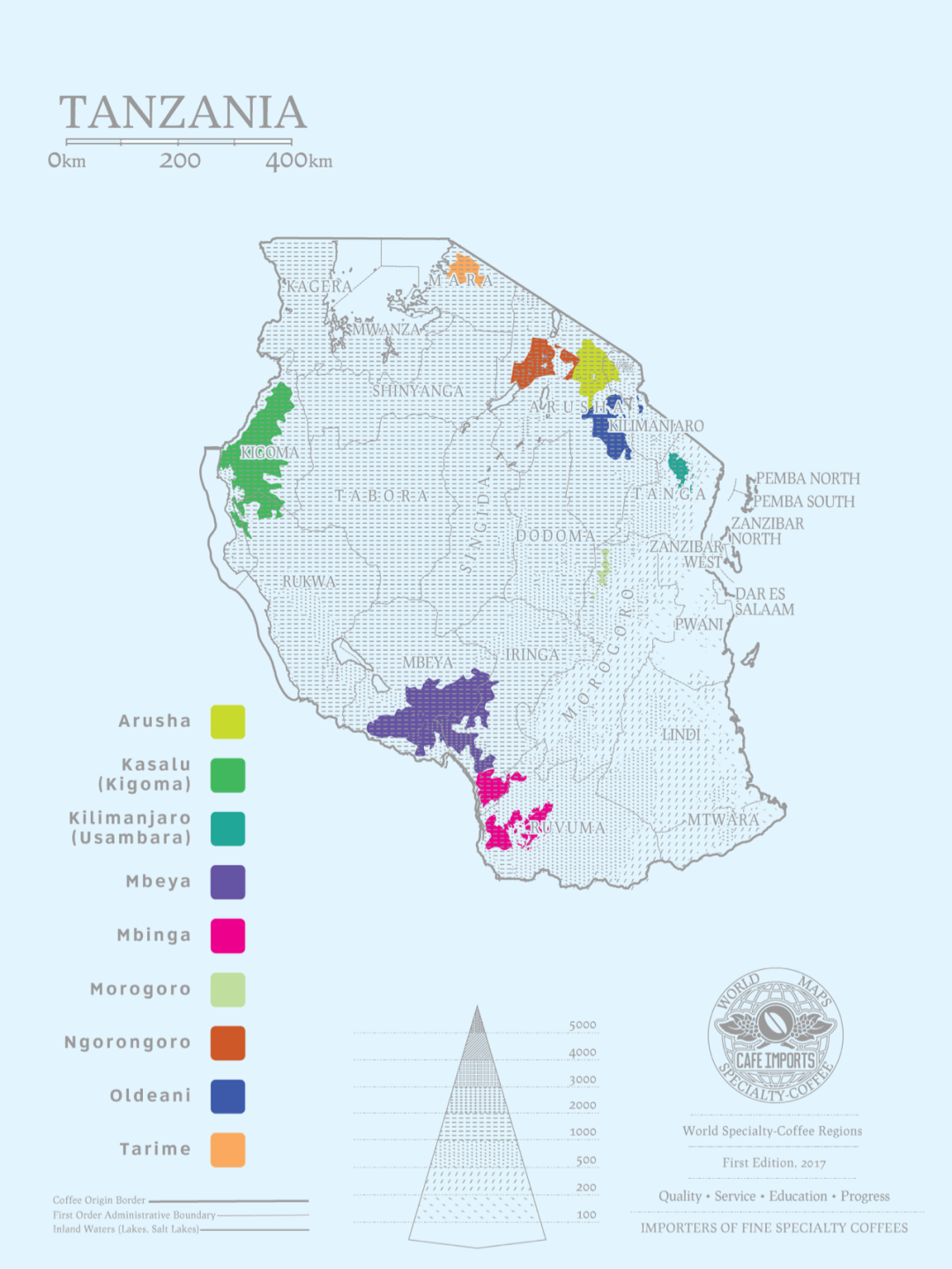
Tanzania’s coffee-growing regions are widely distributed: bordering Kenya and Uganda to the north, Malawi, Mozambique, and Zambia to the south, and Rwanda and Burundi to the west. The main growing areas are concentrated on the northern slopes of Mount Kilimanjaro (such as Moshi and Mbeya) and the southern Ruvuma River basin in the Songea-Ruvuma region. The Kilimanjaro volcanic area accounts for 75% of the country’s total coffee production and is the most representative origin. Notably, Tanzanian coffee sacks are not made from the commonly used jute material, but from coarse bags woven from agave fibers—a move aimed at protecting the domestic sisal industry and avoiding the impact of jute imports.
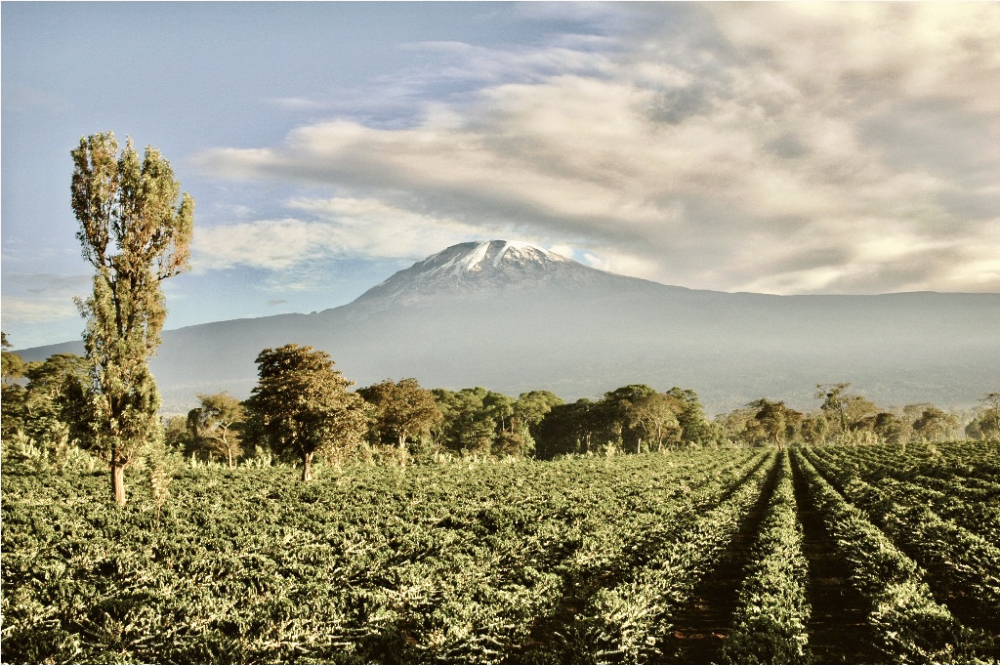
Mount Kilimanjaro, as the highest peak in Africa, is not only a geographical symbol of Tanzania but also the core area of the country’s coffee industry. After World War I, the region was placed under British trusteeship. Following independence in 1964, coffee cultivation has remained primarily in high-altitude areas (accounting for 75%), with smallholder farmers making up 85% of growers. Cultivation elevations generally range between 1,300–2,000 meters, which imparts the coffee with a rich body and distinct fruity and floral notes. The flavor profile combines the aromatic qualities of Ethiopian coffee with the vibrant acidity of Kenyan coffee, forming a unique regional character.
Washed processing is the predominant method in Tanzania, especially in high-altitude regions where quality is prioritized. This method effectively highlights the coffee’s bright acidity and clear flavor layers. The northern areas around the foothills of Mount Kilimanjaro—such as Moshi and Mbeya—as well as the southern Songea-Ruvuma region in the Ruvuma River basin, show slight flavor differences due to varying altitudes: the former produces coffee closer to Kenya’s bright acidity, while the latter offers unique wine-like and ripe fruit aromas, providing diverse options for coffee drinkers.
In terms of regional cooperative systems, the Kilimanjaro Native Cooperative Union (KNCU) stands out. It is one of the oldest cooperatives in Africa, consisting of over 150,000 smallholder farmers from nearly 100 village societies, producing about 5,300 metric tons of Arabica coffee annually (approximately 60% of local output, though this fluctuates with market conditions). It is registered as a Fair Trade supplier, with some coffee exported under Fair Trade labels. KNCU not only supports the development and certification of organic coffee, but also enhances farmers’ planting quality through training and technical guidance, while balancing environmental sustainability and farmer income.
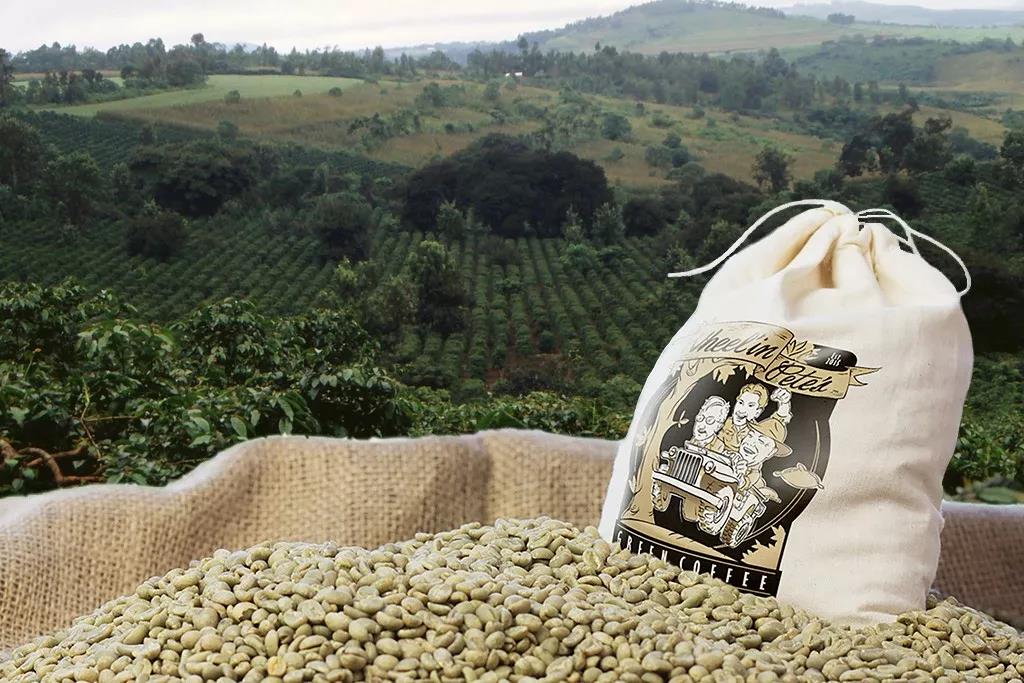
Historically, coffee production and sales in the Kilimanjaro region have faced challenges. For instance, in 2005, Peet’s Coffee & Tea directly purchased coffee beans from 839 smallholders, bypassing the national auction system and selling directly to roasters. This approach enabled farmers to receive higher compensation and improved coffee consistency. Additionally, KNCU has collaborated with Starbucks’ C.A.F.E. Practices to establish best production methods, further enhancing the region’s reputation. The area mainly grows Bourbon variety coffee, and washed-processed beans typically exhibit vibrant acidity, sharing similarities with Kenyan coffee.
It is particularly noteworthy that climate change in recent years has had a significant impact on Tanzania’s coffee-growing regions, especially the coffee leaf rust disease (locally called "la roya") in the Kilimanjaro area, which has damaged over 90% of coffee trees, prompting the government to declare it a national emergency. This disease not only threatens yield but also poses challenges to the stability of coffee flavors, making sustainable development and disease control in the region critical issues.
Taking washed Tanzanian Kilimanjaro coffee as an example, here are practical recommendations for roasting and brewing parameters: A medium-light roast can highlight sweetness and gentle acidity. Suggested charge temperature is 170°C, turning yellow around 6 minutes 30 seconds at 150.8°C, first crack starting at 10 minutes 16 seconds at 182.7°C, and dropping the coffee after 1 minute 45 seconds of first crack development at 193°C. This roast profile balances the coffee’s sweetness, acidity, and aromatic complexity.
For pour-over brewing, it is recommended to use a V60 dripper, with a coffee-to-water ratio of 1:15, water temperature controlled at 91°C, and grind size similar to medium-fine sugar (approximately medium-fine grind). The specific steps are: pour 30 grams of water for a 30-second bloom; after blooming, pour in a circular motion up to 125 grams, then add another 225 grams once the water level drops halfway, for a total brew water volume of 380 grams (adjustable based on personal taste). This parameter fully extracts citrus, honey, berry, and tea-like flavors. The dry aroma presents caramel notes, while the wet aroma shows distinct berry characteristics. The cup delivers a layered profile with a long-lasting finish.
The above content is compiled by CoffeeHunters, a coffee news website.


