








Introduction:Americano coffee, with its refreshing and mellow taste, has long ranked at the top of the popularity list for home-brewed coffee beverages. To brew a well-balanced Americano at home, the key lies in selecting the right coffee beans and mastering the extraction ratio. This article provides an in-depth analysis of the differences between Americano and black coffee, and carefully selects four different-flavored espresso blends—from entry-level high-cost-performance options to café-grade performance—offering detailed flavor descriptions and brewing recommendations to help you find your ideal everyday coffee bean.
Brewing coffee at home has become a daily habit for many people, whether it's pour over, drip bags, or lattes, each with its own following. However, when it comes to the most popular type of coffee brewed at home, Americano consistently ranks at the top. It has a refreshing and mellow taste, with gentle acidity and bitterness, and often leaves a subtle aftertaste of sweetness. It’s perfect for a morning pick-me-up, cutting through grease after a meal, or perking up in the afternoon. But to brew a truly delicious Americano at home, you can’t just brew it casually—you need to master a few key elements.
First,the freshness of the coffee beans is extremely important.Coffee is different from regular food—the peak of its optimal flavor is usually only within about 50 days after roasting, especially during the first two weeks when the flavors are the most vivid. If you use coffee beans that have been stored for too long, the resulting Americano will not only lack aroma but may also taste flat and one-dimensional. Therefore, when purchasing, you should prioritize products that have been recently roasted to ensure the best extraction performance.

Second,espresso blends are the ideal choice for making Americano.Compared to single-origin beans, blends combine beans from different regions and processing methods to achieve balanced and stable flavors, making them especially suitable for making Americano by diluting an espresso base. These beans typically offer both body and clear layers of flavor, performing well whether hot or iced.
Finally,precise extraction ratios are key.Whether using a dual-spout filter or a moka pot, controlling the appropriate amount of coffee grounds, the weight of the extracted liquid, and the time can significantly influence the final flavor profile. Below are reference parameters for common hot and iced Americanos, which you can fine-tune according to personal taste preferences for strength.
If you’re just getting started with espresso blends, you might want to begin with a high-cost-performance basic option. These beans typically exhibit soft fruit acidity, caramel sweetness, paired with nutty and dark chocolate notes, offering a smooth texture and a certain level of body—suitable for users on a budget who still seek balanced flavors. Their characteristics meet most home-brewing scenarios, whether enjoyed on their own or used in making lattes.
For users who prefer a rich and bold taste, it’s recommended to choose blends with noticeable body and crema performance. These recipes often combine herbal spice notes with nutty balance, and some even include a small amount of Robusta beans to enhance richness and crema, making them not only suitable for making Americano but also an excellent base for latte art—delivering a more substantial texture and layered flavor in the drink.
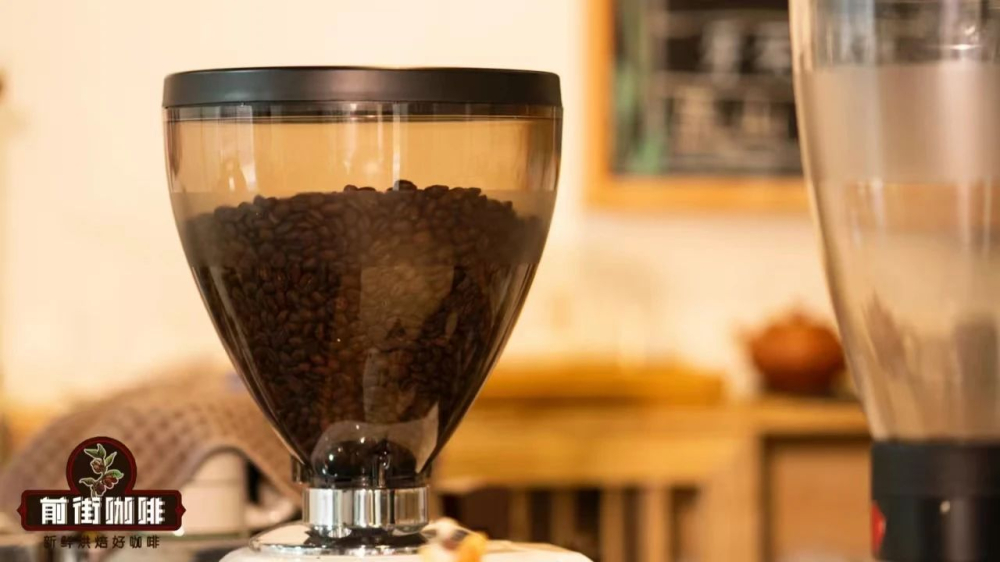
If you don’t enjoy pronounced acidity, you might consider blends primarily featuring nutty and chocolatey notes. These beans are usually selected from well-known origins such as Brazil and Colombia, showcasing flavor profiles of buttery cookies, cocoa, and roasted nuts, with a smooth mouthfeel and a long-lasting aftertaste. Whether hot or served over ice, they offer a comfortable and easy-drinking experience, making them very suitable for daily consumption.
Finally, if you want to replicate café-grade Americano or latte at home, you can opt for commercial-grade blends crafted with medium to dark roasts. These recipes often combine beans from Brazil, Colombia, and Southeast Asian origins, releasing rich roasted aromas and bold crema after roasting. The brewed coffee is mellow and smooth, with high approachability. Whether consumed straight or used in milk-based coffee, it delivers professional-grade performance, and offers outstanding cost-performance, making it highly suitable for long-term use as your everyday coffee bean.
Below are reference extraction parameters for two common types of Americano, which you can adjust based on your actual equipment and taste preferences:
Iced Americano Coffee:It is recommended to use a dual-spout filter, adding 18 grams of coffee grounds (±1 gram tolerance), aiming to extract 36 grams of coffee liquid, with the extraction time controlled around 28 seconds. Pour the extracted liquid into a 330 ml cup pre-filled with ice cubes and an appropriate amount of water, adjusting the ice-to-water ratio according to personal preference.
Hot Americano Coffee:Similarly, use 18 grams of coffee grounds to extract 36 grams of concentrated liquid, maintaining a 28-second extraction time. Pour the extracted liquid into 200 ml of hot water. If you prefer a stronger taste, reduce the amount of water added; if you want a lighter flavor, increase the water volume accordingly.
The above content is compiled by CoffeeHunters, a coffee news website.


