







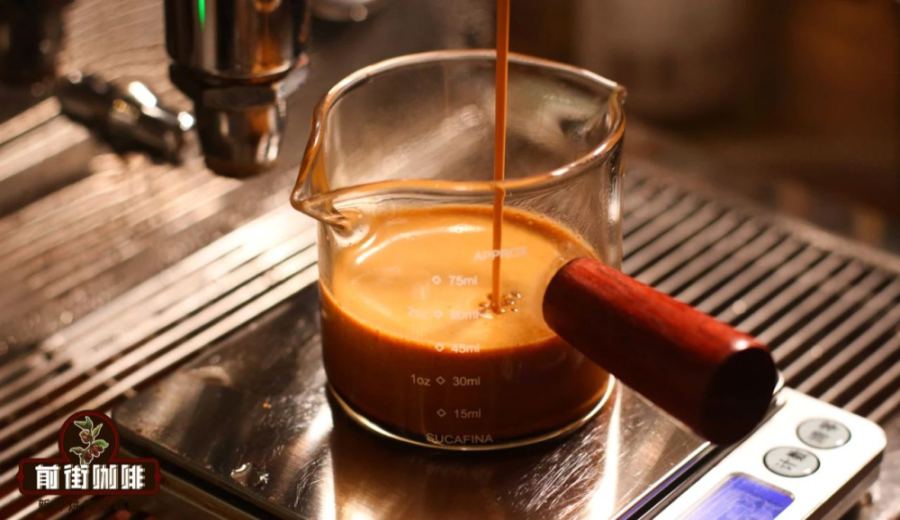
Introduction:Have you ever extracted an espresso that had no crema on the surface at all, looking dull and unappealing? The golden crema is not only a visual delight but also a key indicator of a successful extraction. This article delves into the five most common reasons why your espresso might lack crema, including roast level, bean freshness, machine pressure, grind size, and water temperature control. It also provides specific guidance on how to diagnose and adjust these factors to help you restore a rich, velvety crema and elevate the quality of every shot of espresso.
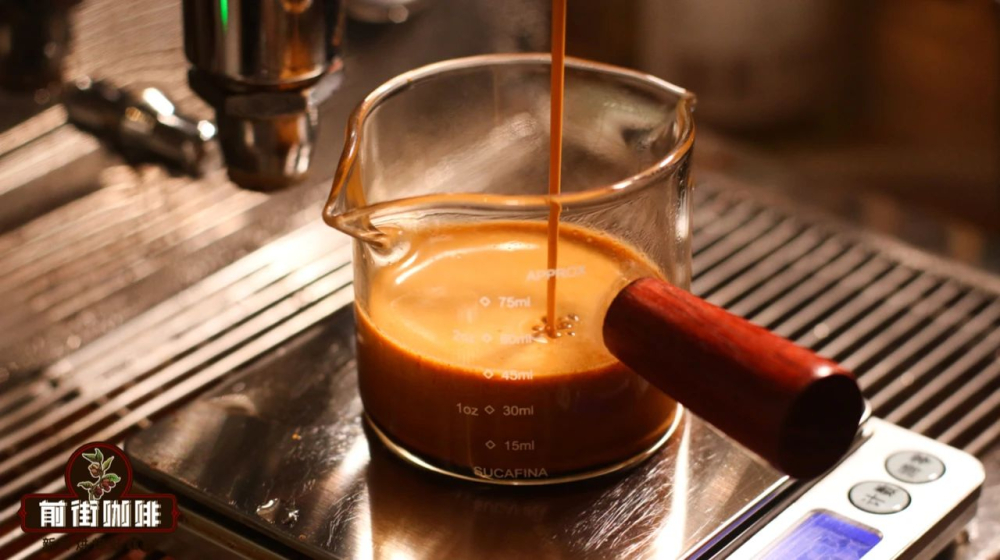
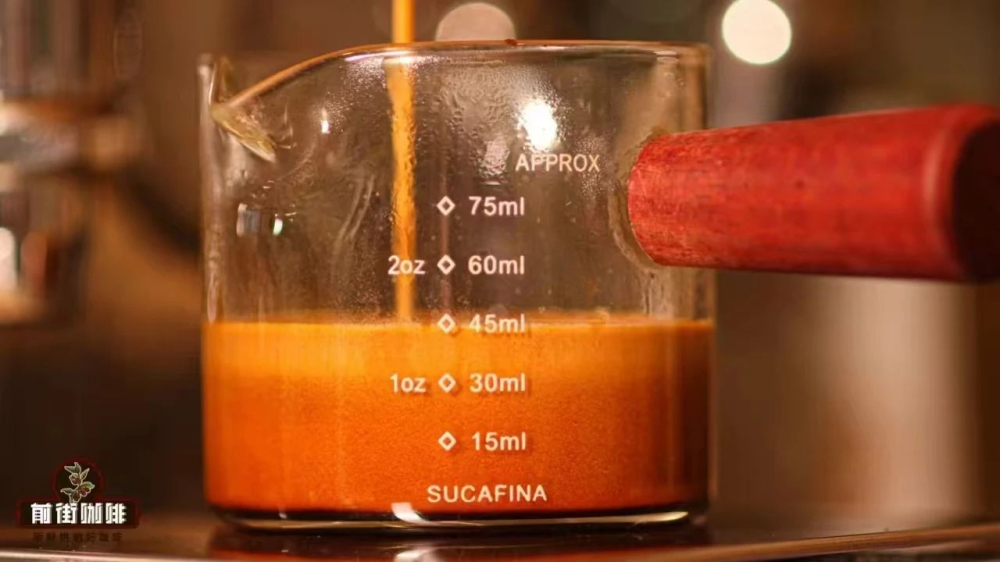
An ideal shot of espresso should have a crema (golden foam) covering about one-third of the surface, with a texture as fine as cream. When you gently swirl the cup, the crema should cling noticeably to the sides. However, when your espresso loses this captivating layer of crema, not only does its appearance suffer, but the overall flavor also becomes thin and flat. What causes the crema to fail to form? In reality, it may involve multiple factors such as the choice of coffee beans, roast level, equipment performance, grind size, and even water temperature settings.
Common Reason 1: Coffee Beans Are Roasted Too Light
Coffee beans on the market are generally divided into light to medium roasts, which are suitable for pour over brewing, and medium to dark roasts or dark roasts, which are designed specifically for espresso machines. The former are mostly single-origin beans, offering bright and fresh flavors but with weaker crema performance; the latter are commonly found in blends or SOEs (Single Origin Espressos), usually roasted darker to help develop a rich crema. If you use light-roast beans to make espresso, the crema will not only be lighter in color but also thinner in texture, making it difficult to achieve the desired creamy and dense mouthfeel.
For coffee lovers who prefer a rich crema, it is recommended to prioritize medium to dark roast espresso blends, such as those combining the richness of Mandheling, the smoothness of Brazilian beans, and the unique oily texture of Robusta beans. These can deliver a complex flavor profile interwoven with notes of butter, toasted bread, chocolate, and caramel, making it easy even for beginners to produce latte art.
Common Reason 2: Coffee Beans Are Not Fresh Enough
Even if you use the appropriate roast level, if the coffee beans have been stored for too long or have not yet passed their optimal extraction period, it can still affect crema production. Generally speaking, the resting period (or “degassing” period) for espresso beans is about 7 to 10 days after roasting. During this stage, the carbon dioxide inside the beans is gradually released, and the crema performance will stabilize during extraction. The best flavor and crema performance are typically achieved within 30 to 60 days after roasting. After two months, both the aroma and the amount of crema will noticeably decline.
It’s important to note that freshly roasted beans may produce unstable crema with quickly dissipating foam right after opening the package due to excessive internal gases, and may not form the ideal crema. Therefore, it is recommended to plan your usage time carefully according to the roast date on the packaging to ensure stable extraction of a rich crema.
Common Reason 3: Insufficient Coffee Machine Pressure
The formation of crema in espresso depends on the machine’s ability to provide a stable 9-bar extraction pressure, which forces the essential substances and gases out of the coffee puck. Many home or entry-level espresso machines cannot maintain a stable 9-bar pressure during actual operation, resulting in a thin and poorly formed crema. If you suspect it’s a pressure issue, you can check the machine specifications or use a pressure gauge to measure whether the standard extraction pressure is being reached.
Common Reason 4: Grind Size Is Too Coarse
Grind size has a significant impact on the flow rate and crema performance of espresso. If the grind is too coarse, water passes through the coffee puck too quickly, not only causing channeling—where some areas are over-extracted and others under-extracted—but also resulting in a lighter-colored, thin, and sparse crema. Generally, it is recommended to aim for a double shot (about 30–40ml) to be extracted within 20 seconds. If the flow rate is too fast, you should adjust to a finer grind to achieve a denser and darker-colored crema.
Common Reason 5: Water Temperature Is Too Low
The ideal water temperature range for extracting espresso is about 90–96°C, with around 93°C being the most common. If the water temperature is too low, it not only slows down the extraction process but also inhibits the release of aromatic compounds and oils from the coffee, leading to a lighter-colored extraction with an indistinct crema. Additionally, some home espresso machines require more than 10 minutes of preheating after being turned on to reach a stable water temperature. Starting extraction without sufficient preheating can also negatively affect crema formation and overall flavor due to inadequate water temperature.
In summary, to restore the golden crema layer on your espresso, you need to systematically investigate and adjust factors such as bean selection, freshness management, machine performance, grind settings, and water temperature control. Only when all aspects are optimized can you consistently extract that mesmerizing crema and enjoy the truly rich and full-bodied flavor experience of espresso.
The above content is compiled by CoffeeHunters, a coffee news website.


