







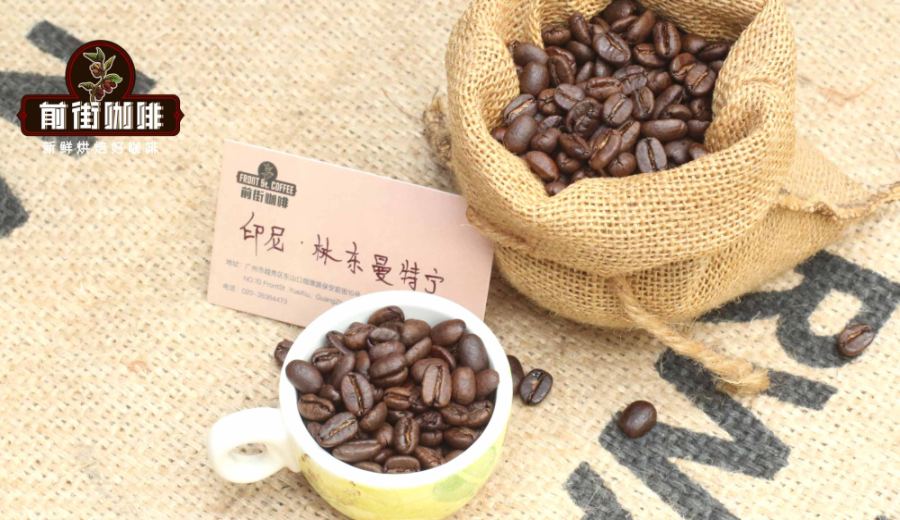
Introduction:Mandheling coffee originates from Sumatra, Indonesia, and is renowned for its unique wet-hulling processing method and rich herbal-spicy flavor profile. This article delves into the differences between Golden Mandheling and regular Mandheling, covering everything from flavor characteristics and roasting recommendations to the stringent selection standards of the PWN company. Learn how to choose high-quality Mandheling coffee beans and master brewing techniques to elevate your tasting experience.
Mandheling coffee is the most representative coffee variety from Sumatra, Indonesia. Thanks to its distinctive wet-hulling process, the beans develop intense herbal, spicy, and woody aromas. Grown in high-altitude mountain regions, this coffee often exhibits low acidity and a full-bodied, rich mouthfeel after medium-to-dark roasting, accompanied by complex notes of caramel, toasted bread, and nuts. Whether brewed as a single-origin pour over or blended into an espresso mix, it showcases its unique regional flavor characteristics.
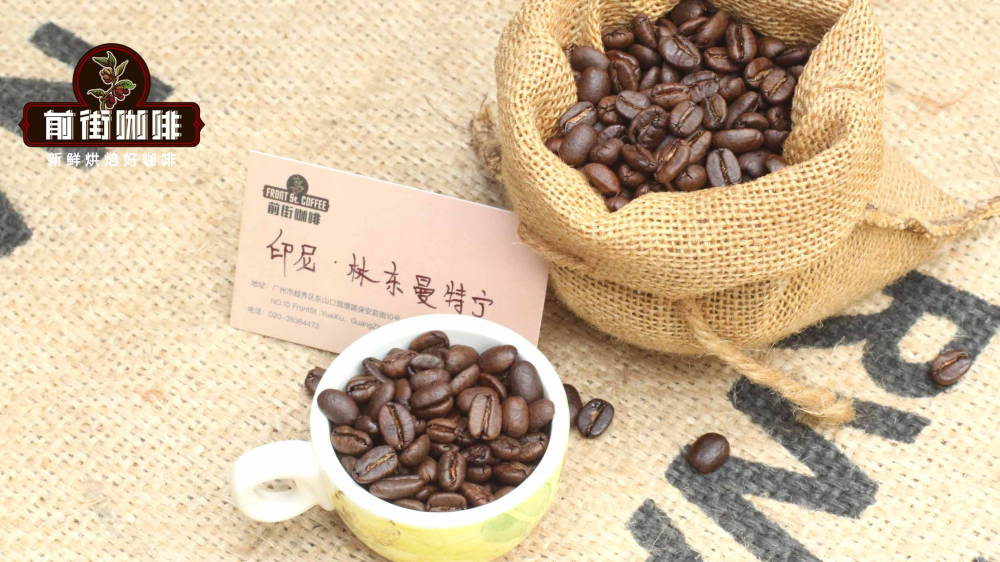
The unique climate and soil conditions of Sumatra, combined with the influence of the wet-hulling process, give Mandheling coffee a highly distinctive identity. When medium-to-dark roasted, the acidity is subtly suppressed, highlighting instead a dense body and abundant sweetness. These beans are not only excellent for solo pour over brewing but are also commonly used in blends—for example, mixed with Brazilian Red Bourbon and a small amount of Robusta to create a coffee with rich crema and deep aroma.
Among the many types of Mandheling coffee, Golden Mandheling is highly praised for its cleaner taste and pronounced sweetness. These beans are primarily sourced from the Gayo Mountains in Aceh and are produced and selected by PWN (Pwani) Coffee Company. They belong to Indonesia’s officially certified highest grade—G1. PWN exercises extremely strict quality control over the beans, with a high-standard operational procedure covering everything from post-harvest wet-hulling to subsequent sorting processes.
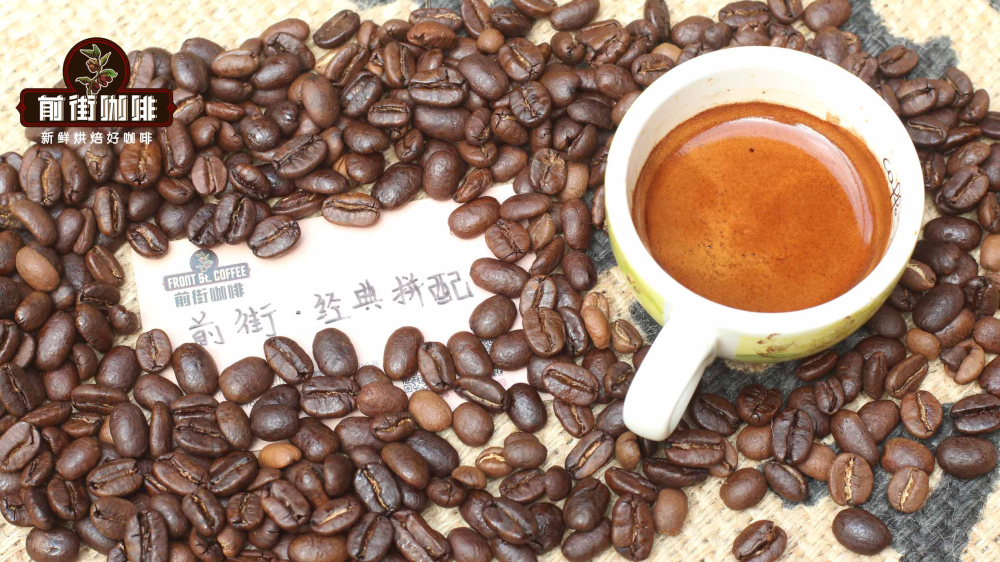
Specifically, after processing the green beans, PWN conducts one machine screening and three rounds of manual handpicking to ensure every bean meets the rigorous requirements of the G1 grade. The machine sorting stage first requires that the beans be at least 18 mesh in size, followed by multiple manual inspections to remove irregularly shaped or defective beans. This meticulous selection not only significantly reduces the defect rate but also ensures more even heat distribution during roasting, facilitating the full development of flavor compounds and thereby enhancing sweetness and the overall purity of the taste profile.
As Golden Mandheling has gained increasing fame, many coffee beans claiming high-quality selection—even those sold under the name “Golden Mandheling”—have appeared on the market. However, “Golden Mandheling” is actually a registered trademark of PWN. Only beans that have undergone PWN’s strict selection process and received certification can rightly bear the name. To avoid purchasing counterfeit products, consumers can request to see the PWN certification certificate and check whether the green bean sacks are printed with the PWN company logo. These details are important indicators for identifying genuine products.
The above content is compiled by CoffeeHunters, a coffee news website.


