







Introduction:Since Panamanian Geisha coffee burst onto the scene at the BOP competition in 2004, it has become a focal point of attention in the specialty coffee world. This article delves into the terroir advantages of the two core producing regions—Boquete and Volcán—and explores the grading and processing differences of renowned estates’ Red Label Geisha. It also provides a detailed breakdown of a well-known brand’s Panamanian Deborah coffee, highlighting its anaerobic natural fermentation process and high-altitude cultivation characteristics. From region to flavor, take a comprehensive journey into the unique charm of Geisha.
Ever since Panamanian Geisha coffee rose to fame at the Best of Panama (BOP) competition in 2004, it has rapidly ascended to the top tier of specialty coffee varieties—not only winning numerous international awards but also propelling many championship farms into the limelight. This coffee is renowned for its delicate floral notes, distinct citrus tones, and sweet yet gentle flavor profile, earning widespread acclaim among coffee enthusiasts around the globe. This article will guide you through an in-depth understanding of the essence of Panamanian Geisha—from regional environments and famous estates, to specific processing methods and flavor characteristics.
The uniqueness of Panamanian Geisha coffee is inseparable from its exceptionally favorable terroir conditions. Among them,Boquete Regionbenefits from fertile volcanic soil, cool climate, stable rainfall, and year-round cloud cover, providing an ideal environment for coffee cultivation. This area is not only home to several well-known estates but also the location of Hacienda La Esmeralda, whose Geisha coffees have been consistent champions in competitions.Volcán Regionis adjacent to Boquete and shares similar high altitudes and abundant natural resources. In recent years, it has also produced high-quality Geisha coffee beans, gradually gaining market attention.
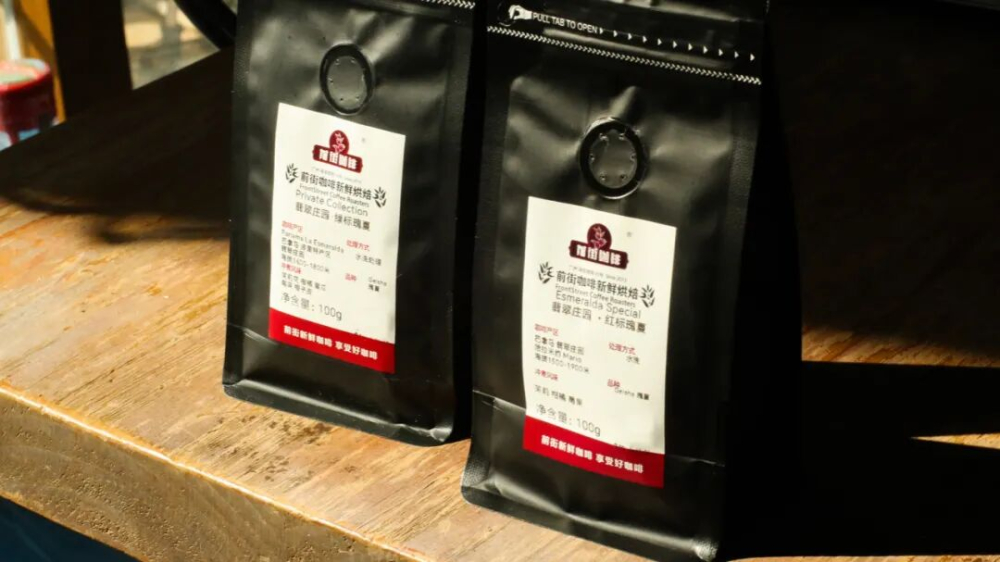
When talking about Panamanian Geisha, one cannot overlook theRed Label Geishaoffered by Hacienda La Esmeralda. These coffee beans are grown at elevations between 1,600 and 1,800 meters, typically scoring above 90 points in cupping evaluations, and come from two renowned micro-regions: Jaramillo and Cañas Verdes. Within Hacienda La Esmeralda’s grading system, those entered into international auctions are called “Auction Red Label,” while those not entered are simply called “Red Label.” However, both are grown in the same premium farms, with very similar flavor profiles. For coffee lovers new to Geisha, Red Label is a classic and approachable choice. The processing methods include both natural and washed, yielding clear and vibrant flavors, often featuring layers of floral notes, citrus, peach, honey, and black tea.
Another notable Panamanian Geisha is theVolcán Region’swell-known brand’s Panamanian Deborah coffee beans. These beans come from the high-altitudeDeborah Estate (Finca Deborah), located between 2,000 and 2,350 meters above sea level—one of the highest and most remote coffee-growing areas in the region. Nighttime temperatures here can drop to 10°C, and the cool climate slows the coffee trees’ metabolism, aiding in sugar accumulation. With an average annual rainfall of 2,200 mm, these conditions provide an excellent environment for Geisha cultivation. Furthermore, the parent company of Deborah Estate, Savage, not only excels in processing coffee from its own region but also helps surrounding farms achieve similarly high-quality processing standards through the Savage Coffee Project, thereby elevating the overall quality of the region’s coffee output.
The most remarkable aspect of this well-known brand’s Panamanian Deborah Geisha coffee is its use of theanaerobic natural (sun-dried) fermentation process. During processing, freshly harvested coffee cherries are first sun-dried in greenhouses until they shrivel like raisins. Then, they are placed in sealed containers where oxygen is removed, and dry fermentation occurs over 36 hours. This step effectively triggers internal flavor transformations within the fruit pulp, enhancing aroma and sweetness. The skins are then removed, but the intact pulp layer remains for further fermentation. This method imparts rich tropical fruit aromas and delicate floral notes, resulting in a sweet, layered cup—making it an exceptional choice for exploring the flavors of high-altitude Geisha.
In summary, the allure of Panamanian Geisha stems not only from the unique characteristics of the variety itself but also from the interplay of altitude, climate, soil, and processing techniques. Whether it’s the Red Label Geisha from Boquete or the high-altitude Deborah anaerobic natural sun-dried Geisha from Volcán, both showcase the diverse flavor potential of the Geisha variety across different environments. For readers looking to delve deeper into or taste Geisha coffee, understanding these regions and processing methods will help in making more informed and enjoyable selections of their own premium Geisha cup.
The above content is compiled by CoffeeHunters, a coffee news website.


