







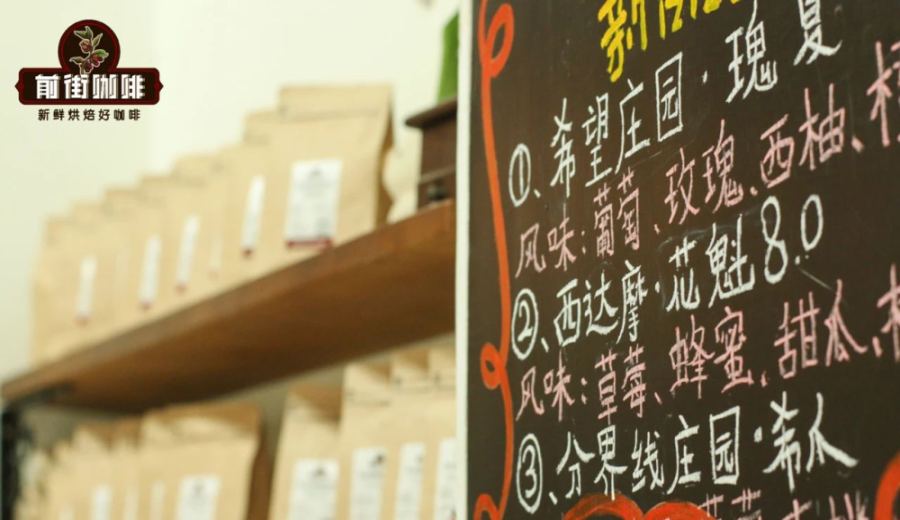
Introduction:The Hua Kui coffee beans are released in new versions each year, reflecting subtle changes in regional climate, processing methods, and market demand. This article delves into the evolution of Hua Kui from the Hambella Natural G1 to its various annual editions, explores the flavor differences between different batches, and provides practical roasting profiles and pour over parameters to help coffee enthusiasts master this bean with its vibrant tropical fruit profile and enhance extraction performance.
Hua Kui coffee beans are unique in the specialty coffee market, with their naming convention updated annually with version numbers. This is not just a marketing strategy but also reflects the evolving regions, climates, and processing techniques over the years. From the original Hambella Natural G1 to subsequent batches distinguished by version numbers, each iteration of Hua Kui showcases the flavor characteristics and market positioning of its specific harvest season.
Typically, coffee bean names are related to variety, origin, or processing mill—for example, Geisha is a variety name, Blue Mountain refers to an origin, and Gu Ding Ding is the name of a processing mill. However, Hua Kui breaks the norm, much like electronic products that are iterated year by year, with a new version number released annually. The origin of this naming approach is closely tied to its market popularity and expanding production volume.
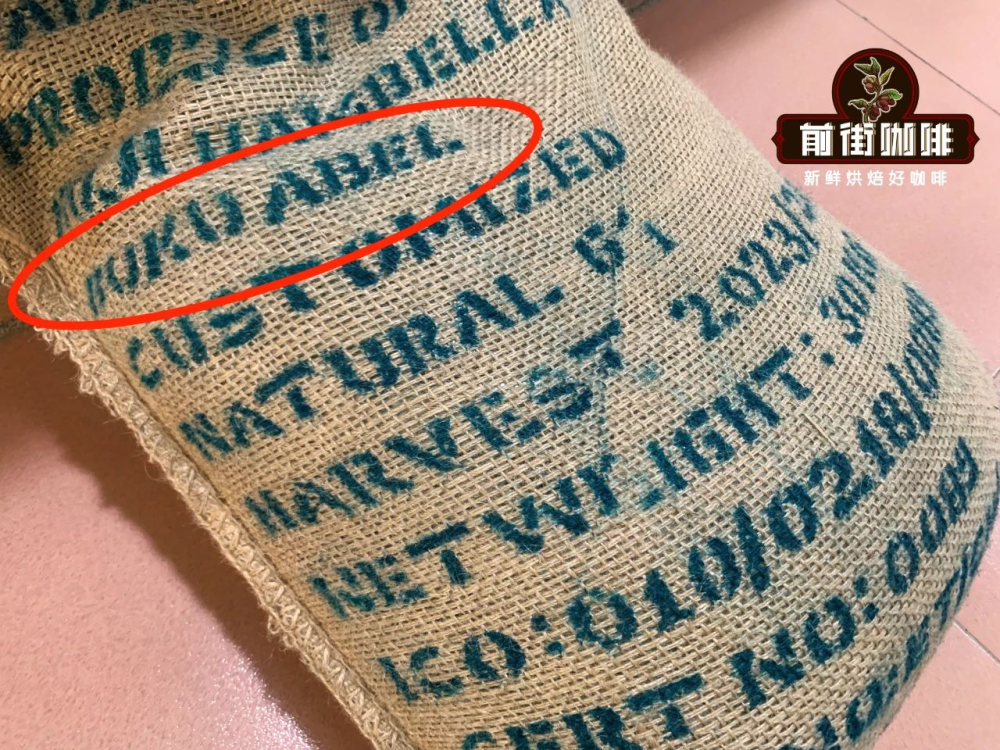
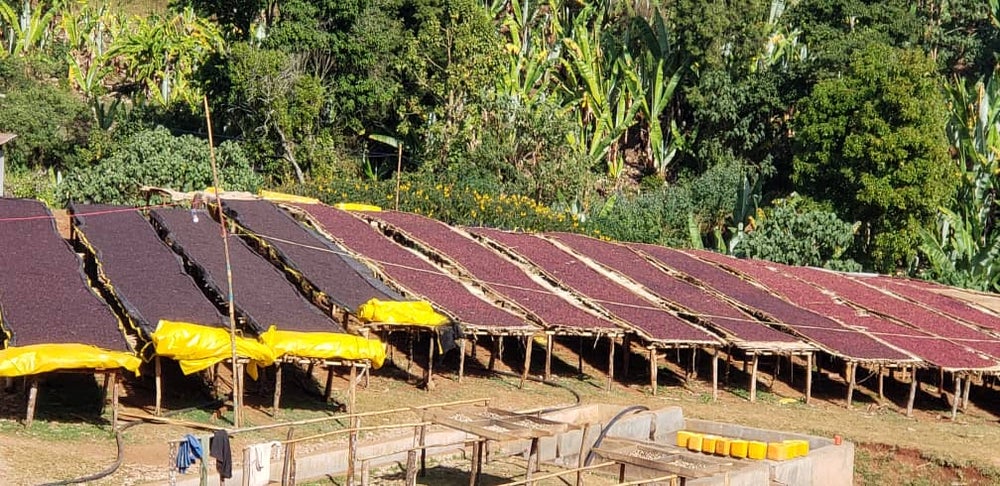
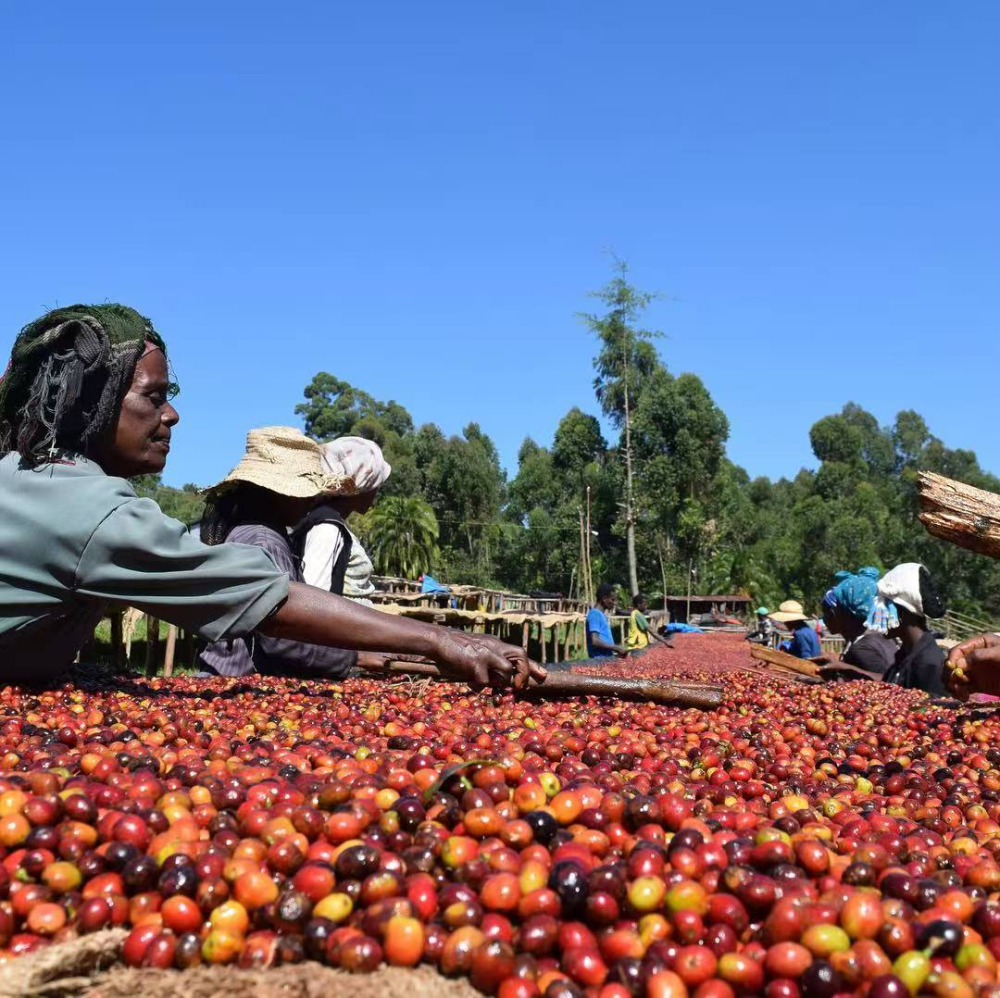
Before 2017, this bean was only circulated under the English name "Hambella," which in fact referred to the Natural G1 grade coffee beans from Ethiopia’s Hambella region, with "Buku Abel" being the specific processing mill name. During the harvest season from December to January each year, local farmers would select only fully red coffee cherries with a sugar content of 30 or above, process them on African raised beds, and strictly control temperature and humidity. After approximately 18 days of sun drying, the moisture content of the green beans was reduced to 13% before hulling.
With Hua Kui gaining international recognition in 2017, market demand surged. DW Company expanded its dedicated Natural processing stations in the Hambella Wamena Wereda area by building five new sites, all concentrated in the core producing town of Dimtu, including villages such as Buku Abel, Buku Saysay, Haro Soresa, Tirtiro Goye, and Seke Bokosa. The Natural G1 coffee beans produced at these stations were subsequently incorporated under the "Hua Kui" brand, rapidly increasing Hua Kui’s actual production volume, which is estimated to reach several thousand tons in annual exports.
To accommodate the increased production capacity, DW Company not only built new processing facilities but also gradually extended its harvesting range to neighboring villages. As long as the Natural G1 coffee beans came from these five main processing stations, they were all sold under the unified name "Hua Kui." This explains why flavor profiles of different batches vary later on due to slight adjustments in origin and differences in processing details.
The so-called "Hua Kui flavor" is often mistakenly thought to be intense floral notes, but in reality, what stands out most about this coffee is its tropical fruit character, such as strawberry cream, mango, jackfruit, citrus, and blueberry. These flavor characteristics were also key to its standout performance in the TOH (Taste of Harvest) green coffee competition. However, since coffee is an agricultural product, its flavor profile is influenced each year by multiple factors such as climate, soil, altitude, and processing conditions, making flavor differences between yearly versions inevitable.
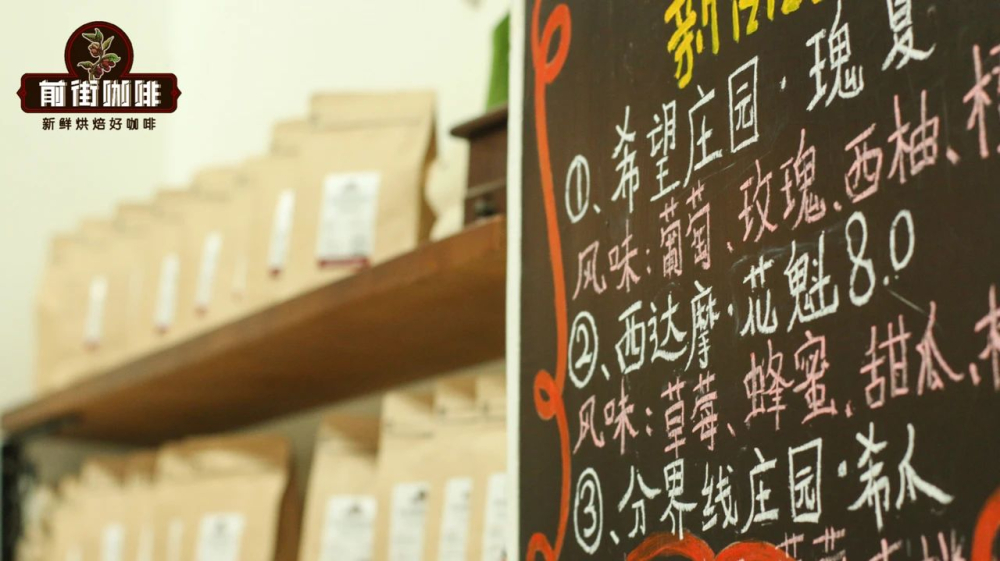
Starting from 2018, even beans from the same region and processing station began to show noticeable flavor variations. According to cupping results, the 2018 and 2019 batches retained some similar traits, but overall body and aftertaste were inferior to the initial 2017 vintage. To distinguish beans from different harvest seasons, domestic green coffee traders used 2017 as the baseline and added version numbers to subsequent yearly batches—for example, 2018 became "Hua Kui 2.0," 2019 became "Hua Kui 3.0 and 3.1," and so on, up to the latest release, "Hua Kui 7.0," allowing consumers to clearly identify the bean vintage.
Although these different versions of Hua Kui share a consistent flavor framework, they each have their own unique nuances. Generally speaking, they all exhibit pronounced tropical fruit aromas—such as dried fruit, apricot, juice-like qualities, and the distinctive jackfruit note—along with a soft honey-like sweetness. They are well-suited for coffee enthusiasts who enjoy bright, fruity, and layered profiles.
For roasting Hua Kui, it is recommended that roasters first thoroughly review the flavor information provided by the green coffee supplier and actually test the moisture content of the green beans. Generally, Hua Kui green beans carry a fermented winey aroma rather than the grassy smell commonly found in regular greens. The beans are relatively pointed in shape, vary in size, belong to the Ethiopia Heirloom variety, have a moisture content of around 11%, and a relatively high density. Since their hardness is not at the extreme level of SHB grade, it is advised to moderately extend the initial drying phase during roasting to ensure the main temperature rise is completed before first crack, thereby preserving more small-molecule aromatic compounds such as floral and fruity notes.
Practical roasting suggestions can refer to the following curve: using a semi-direct flame machine such as the Yangjia 800N, set the bean inlet temperature to 190°C. Drying to the yellowing point (around 150-153°C) takes about 6 minutes. First crack begins around 9 minutes and 50 seconds, and the crack sounds are relatively subtle. The development time after first crack is advised to be controlled between 1 to 1 minute and 30 seconds, with adjustments to the air damper and heat to stabilize the development rhythm. When the sampling spoon detects a distinct strawberry jam aroma at around 193°C, that’s the ideal time to drop the batch. The total roasting time is recommended to be kept within 11 minutes.
In terms of extraction, to fully showcase Hua Kui’s tropical fruit character and sweetness, it is recommended to use freshly roasted beans and brew them within their optimal flavor window using pour over. A V60 dripper is recommended, with water temperature set at 92–93°C, grind size around 80% through a #20 standard sieve (similar to fine sugar), a brew ratio maintained at 1:15, and a coffee dose of about 15 grams.
The specific pour over steps can follow a three-pour method: start with a bloom using double the coffee dose (about 30 grams) of water for around 30 seconds to allow the coffee grounds to fully expand. Then, pour with a small stream in circular motions from the center outwards until the total weight reaches 125 grams for the first pour. Once the coffee bed drops to the middle of the dripper, pour again with the same fine stream until reaching 225 grams, with the total extraction time controlled within approximately 2 minutes. This parameter setup helps balance acidity, sweetness, and body, fully highlighting Hua Kui’s berry and dried fruit flavors.
Finally, when you grind the Hua Kui 8.0 version, you’ll be greeted with a rich aroma of tropical fruits and hints of honey-like sweetness. Upon tasting, the sweetness of berries and the complex layers of passion fruit will unfold gradually, with a tea-like mouthfeel complemented by a smooth, juice-like aftertaste. It’s a premium coffee bean that’s highly suitable for deep flavor exploration and technical practice.
The above content is compiled by CoffeeHunters, a coffee news website.


