








Introduction:Want to explore the unique charm of Yunnan coffee? This article takes you on a journey through Catimor, the main variety of Yunnan’s small-grain coffee, diving into its flavor profile, regional characteristics, and pour over parameters to uncover the allure of this homegrown Chinese coffee. It also compares differences with traditional varieties like Typica and Bourbon, and includes a practical washed processing workflow along with recommended brewing tips — a must-read guide for fans of single-origin and specialty coffee.
In recent years, Yunnan coffee has gradually emerged in the international specialty market, gaining attention from many coffee enthusiasts thanks to its unique geographical environment and varietal characteristics. Among them, the Catimor variety is the most widely planted and has become the representative of Yunnan’s small-grain coffee. This article will analyze in depth the flavor features and regional differences of this variety, while also guiding you through the history and cultivation evolution of Yunnan coffee, along with a practical washed processing method and pour over recommendations to give you a more comprehensive understanding of this Chinese-born specialty coffee.
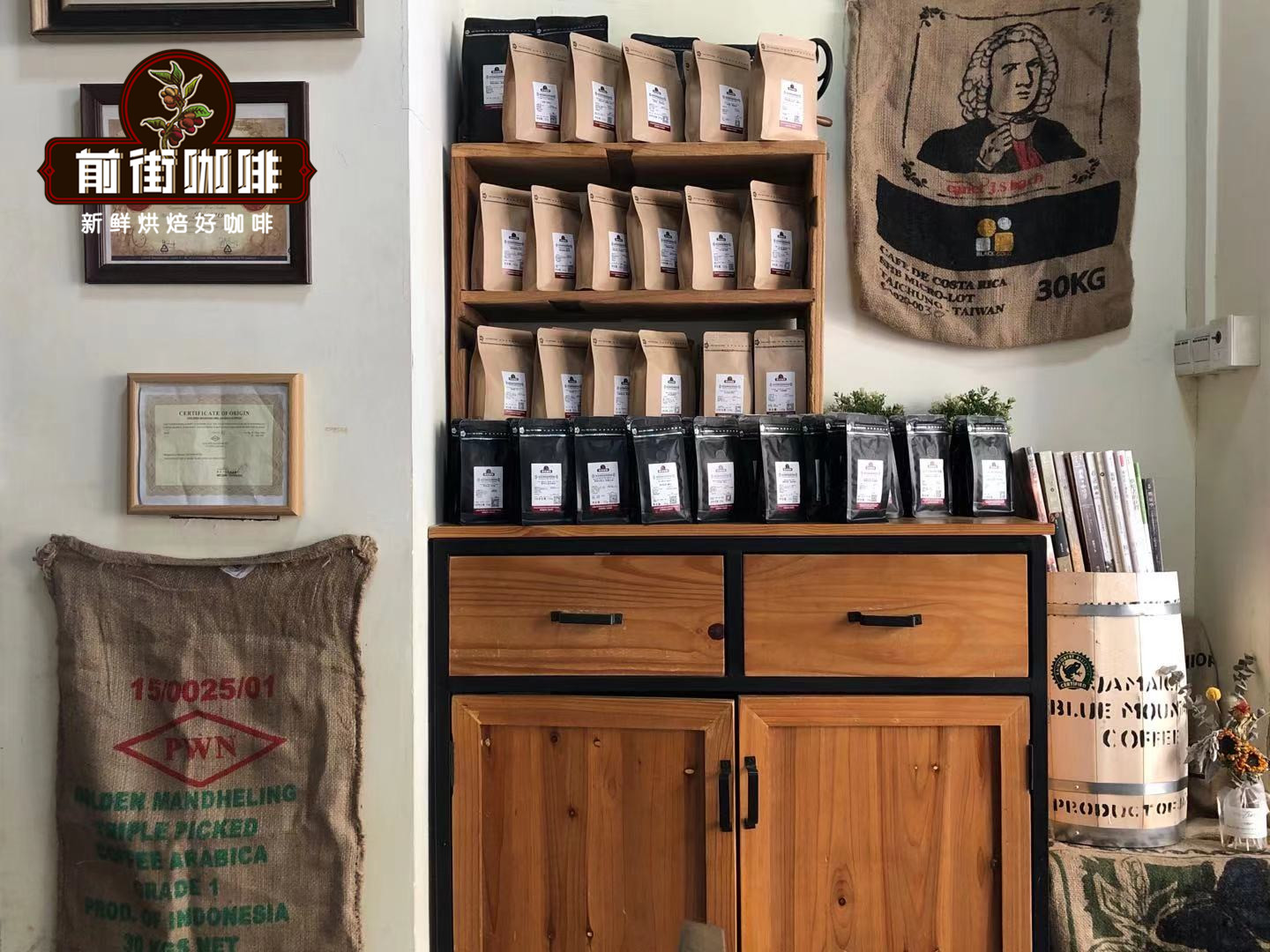
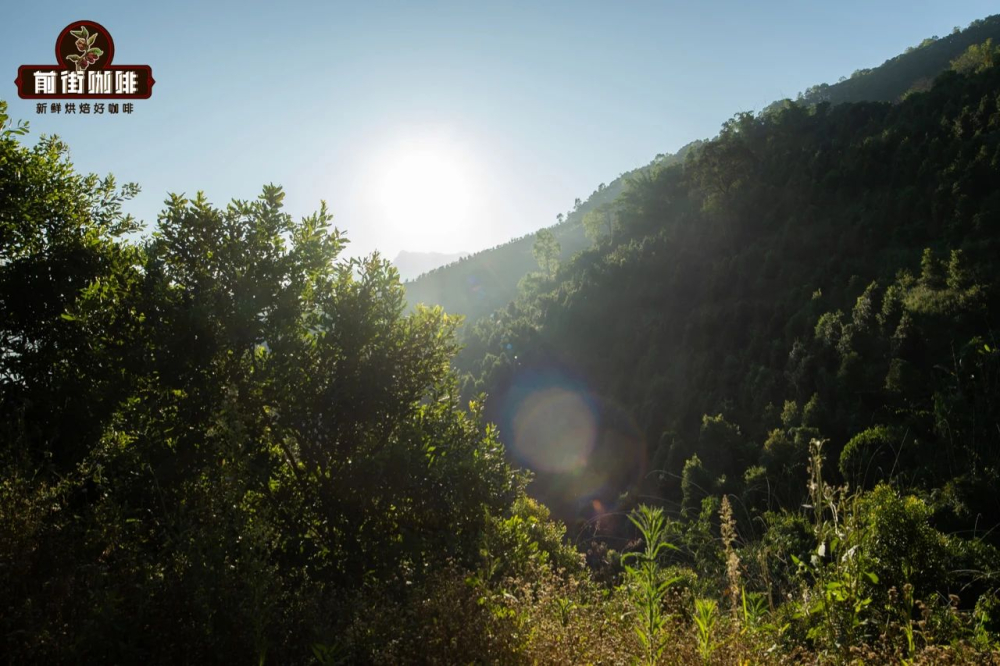
Yunnan is located in the southwestern part of China, near the Tropic of Cancer, and its terrain is dominated by mountains and plateaus, with mid-altitude regions ranging from 1,000 to 3,500 meters above sea level accounting for about 90% of the province’s total area. This area has a subtropical highland monsoon climate, featuring large day-night temperature variations and abundant rainfall, providing ideal growing conditions for Arabica coffee. In fact, over 98% of the coffee available in the Chinese market comes from Yunnan, making it the undisputed leader in domestic coffee cultivation.
The main coffee-growing regions in Yunnan are concentrated in the southern and western parts, including Pu’er, Baoshan, Dehong, and Lincang. Among them, Baoshan coffee is highly praised by many coffee professionals for its rich yet non-bitter profile, prominent aroma, and layered complexity. Different regions, due to their microclimates and altitude differences, produce unique flavor expressions. For example, Dehong Prefecture has numerous planting areas at elevations above 1,600 meters and is known for organic farming, while Pu’er boasts a coffee cultivation history of over 150 years and is a treasure land for coffee nurtured in a tea-growing region.
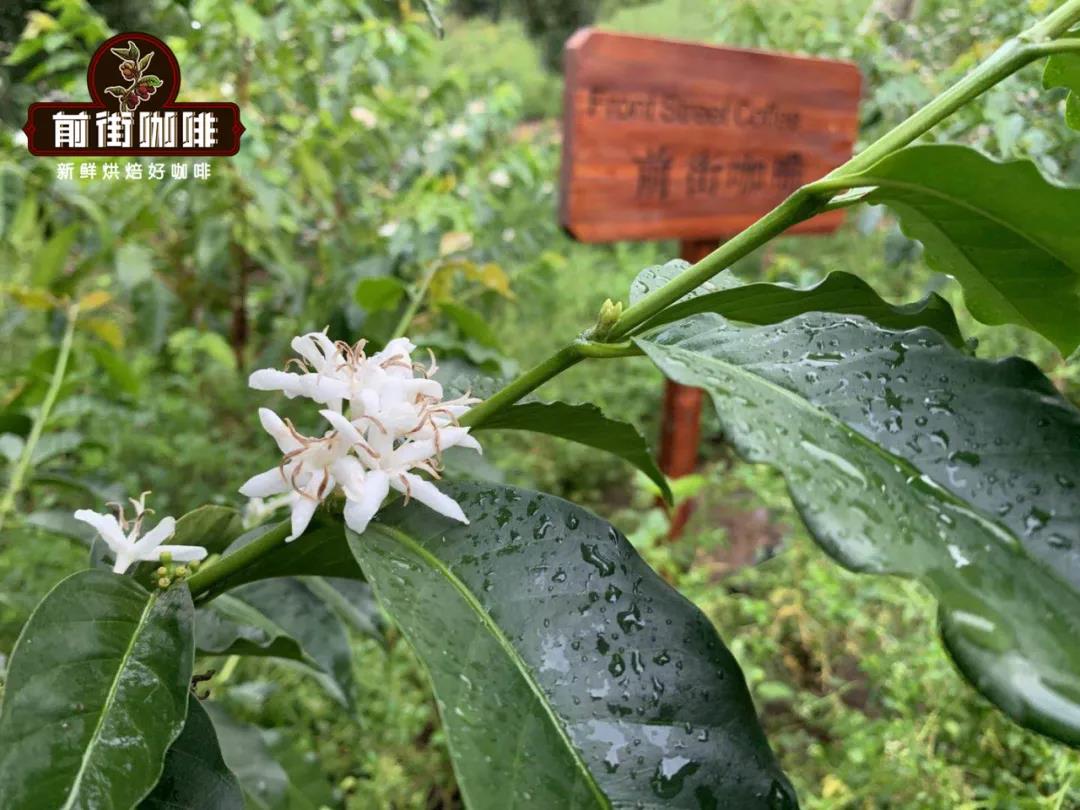
Looking back at the development of Yunnan coffee, it can be roughly divided into four important stages. The earliest dates back to the late 19th century, when foreign trade activities brought the first batch of coffee seedlings to the region following the end of the Sino-French War and the opening of Mengzi Port. In 1902, French missionary Father Tian Deneng planted the first coffee trees in Zhukula Village, Binchuan, Dali, and some of those original plants still survive today. By 1952, the Yunnan Academy of Agricultural Sciences introduced 80 kilograms of coffee seeds to Longjiang Dam in Baoshan, marking the beginning of large-scale cultivation, primarily to meet the demands of the Soviet market. Then in 1988, with the entry of international brands like Nestlé into Yunnan, the local coffee industry was propelled towards modernization and internationalization, gradually bringing Yunnan coffee onto the world stage.
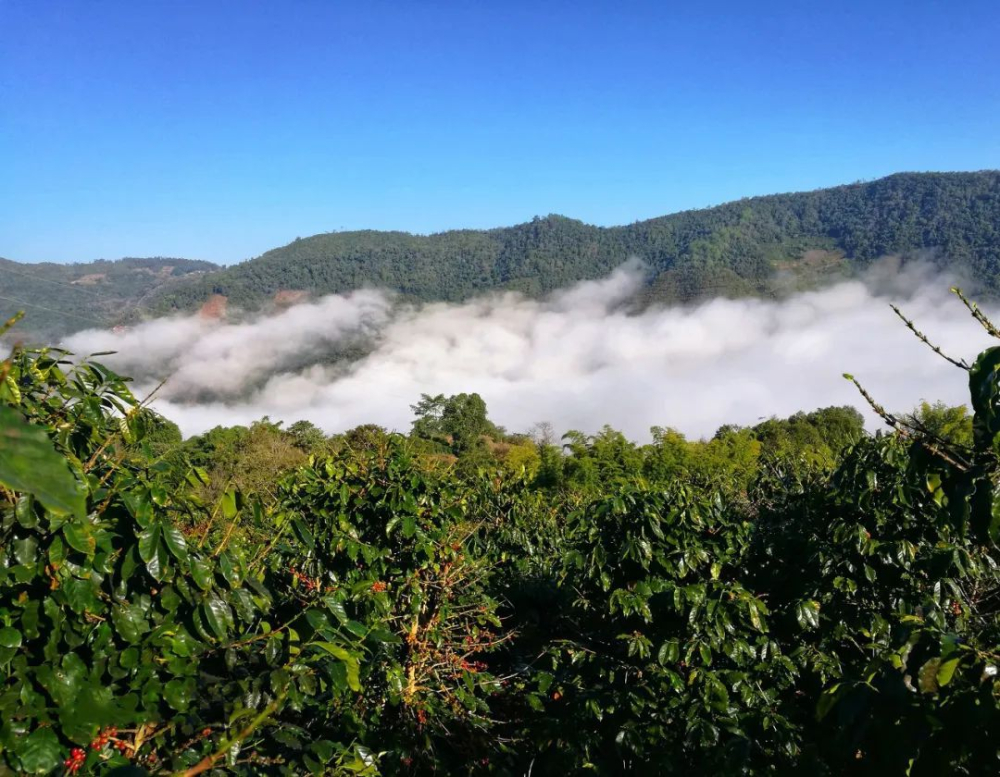
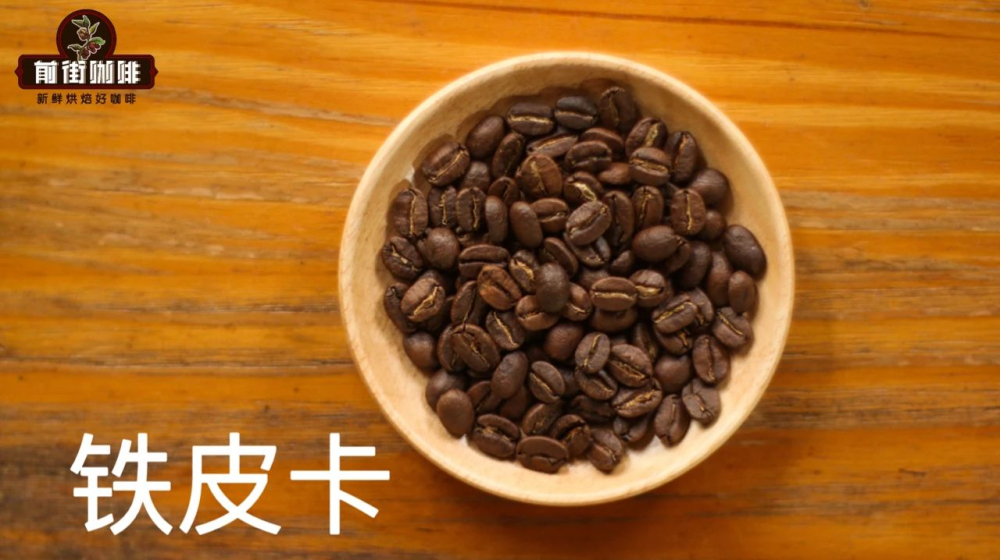
Currently, the most widely planted variety in Yunnan is Catimor, a hybrid of Arabica and Robusta that combines Robusta’s disease resistance with Arabica’s flavor potential. Catimor contains approximately 25% Robusta genetics, giving it good resistance to leaf rust and high yield characteristics, while also retaining a certain degree of aroma and crema. In addition, small amounts of Typica and Bourbon varieties are still grown in places like Baoshan. Typica, one of the oldest Arabica varieties, offers delicate and layered flavors but is weak in disease resistance and low in yield; Bourbon, a mutation of Typica, has rounder acidity and a sweet aftertaste, with green fruits turning bright red upon ripening.
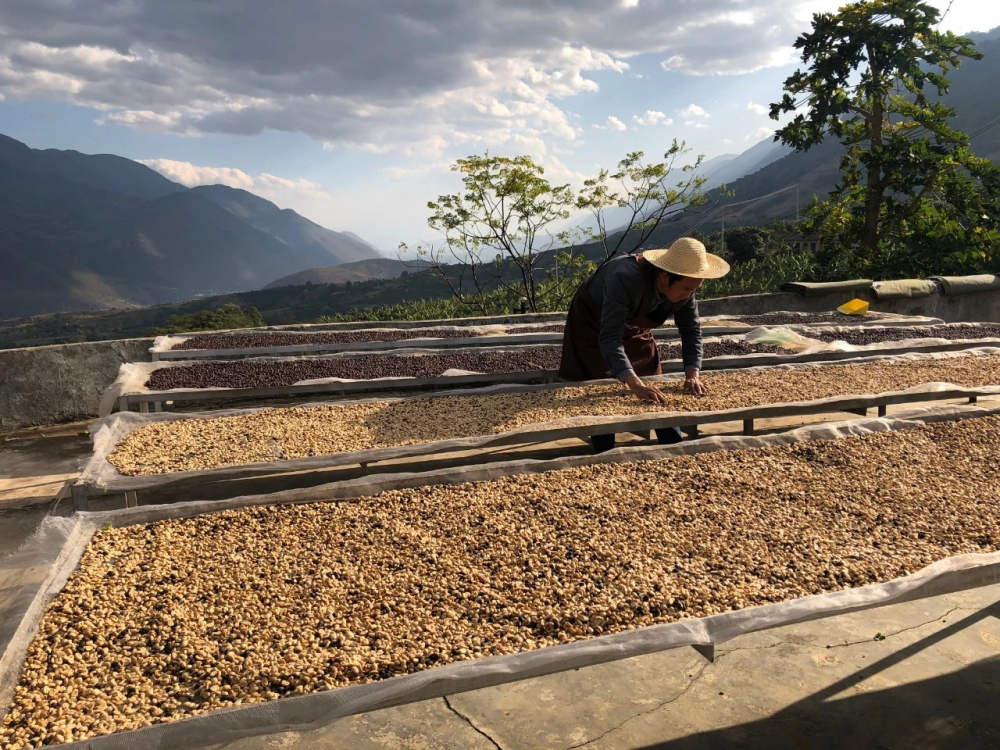
In terms of processing methods, Yunnan coffee currently mostly uses the washed process, which effectively highlights the coffee’s clean flavors while reducing interference from impurities and undesirable tastes. The washed processing workflow includes: first soaking the harvested coffee cherries in water to remove floaters and defective beans; then removing the pulp and flesh, followed by washing away the attached mucilage with clean water; subsequently fermenting for about 18 hours to fully break down residual mucilage, followed by multiple washes; finally drying the beans either in the sun or using machines until the moisture content reaches about 11%, and then packaging them properly. This process requires a significant amount of water — about 40 to 50 kilograms of water per kilogram of coffee beans — making it difficult to implement in regions with water scarcity.

Taking Baoshan as an example, a coffee brand released its 2013 Typica coffee beans, grown at an altitude of 1,450–1,550 meters. After washed processing, they exhibit a complex flavor profile of citrus, nuts, plums, and brown sugar, with a refreshing taste and an aftertaste reminiscent of black tea. Another Yunnan small-grain coffee bean variety uses the Catimor cultivar, grown at around 1,200 meters altitude, and features herbal, nutty, chocolate, and caramel flavor notes, delivering a full-bodied and well-layered cup overall. Both types of beans have undergone rigorous roasting and cupping to ensure optimal flavor expression.
For roasting recommendations, the 2013 Typica is advised to be dropped into the roaster at 200°C. By controlling the heat and air damper, allow the beans to fully develop their potential during the development phase, with an optimal drop time of about 3 minutes after the first crack, reaching 196°C. For the Yunnan small-grain coffee beans, start roasting at 190°C, gradually adjusting heat and airflow to let the beans complete roasting in a stable thermal environment, maintaining the first crack for 3 minutes, and dropping at 198°C. These roasting curves have been tested repeatedly to bring out the unique characteristics of each variety.
For brewing suggestions, it’s recommended to use a V60 filter, with water at 90–92°C and a coffee-to-water ratio of 1:15, using a medium-fine grind (similar to table sugar, about 80% passing through a #20 sieve). The specific technique is as follows: start with a 30-second bloom using 30 grams of water, then pour in a slow circular motion up to 124 grams for the first pour, wait for the water level to drop, then continue pouring up to 227 grams. The total extraction time is about 2 minutes. This method fully highlights Yunnan coffee’s fruit acidity, aroma, and sweetness, making it a great choice for coffee lovers who enjoy single-origin profiles.
In summary, Yunnan small-grain coffee, especially the Catimor variety, has gradually carved out a place in the global specialty coffee market thanks to its unique terroir and processing techniques. Whether you’re a beginner just stepping into the coffee world or a seasoned enthusiast seeking distinctive regional profiles, do give these specialty coffee beans from Yunnan, China a try — embark on a unique flavor journey.
The above content is compiled by CoffeeHunters, a coffee news website.


