








Introduction:Indonesian Mandheling coffee holds a significant place in the global specialty coffee market, with PWN’s Golden Mandheling standing out as a top-tier offering in the premium segment. What exactly sets Golden Mandheling apart from regular commercially available Mandheling? This article explores the differences in origin, variety, selection process, roasting, and pour over parameters between the two, analyzing their flavor, quality, and processing distinctions, and offers practical brewing recommendations to help coffee enthusiasts gain a deeper understanding of this rich and layered Indonesian specialty bean.
The development of coffee varieties and grading systems in Indonesia has been deeply influenced by history and geography, resulting in unique regional characteristics and evaluation criteria. Among them, Golden Mandheling from Aceh Province in northern Sumatra stands out as the pinnacle representation of Mandheling due to its stringent selection process and outstanding flavor profile. This article will delve into the key differences between Golden Mandheling and regular Mandheling across various aspects, and provide professional roasting and pour over suggestions to give you a better understanding of this highly regarded Indonesian coffee.
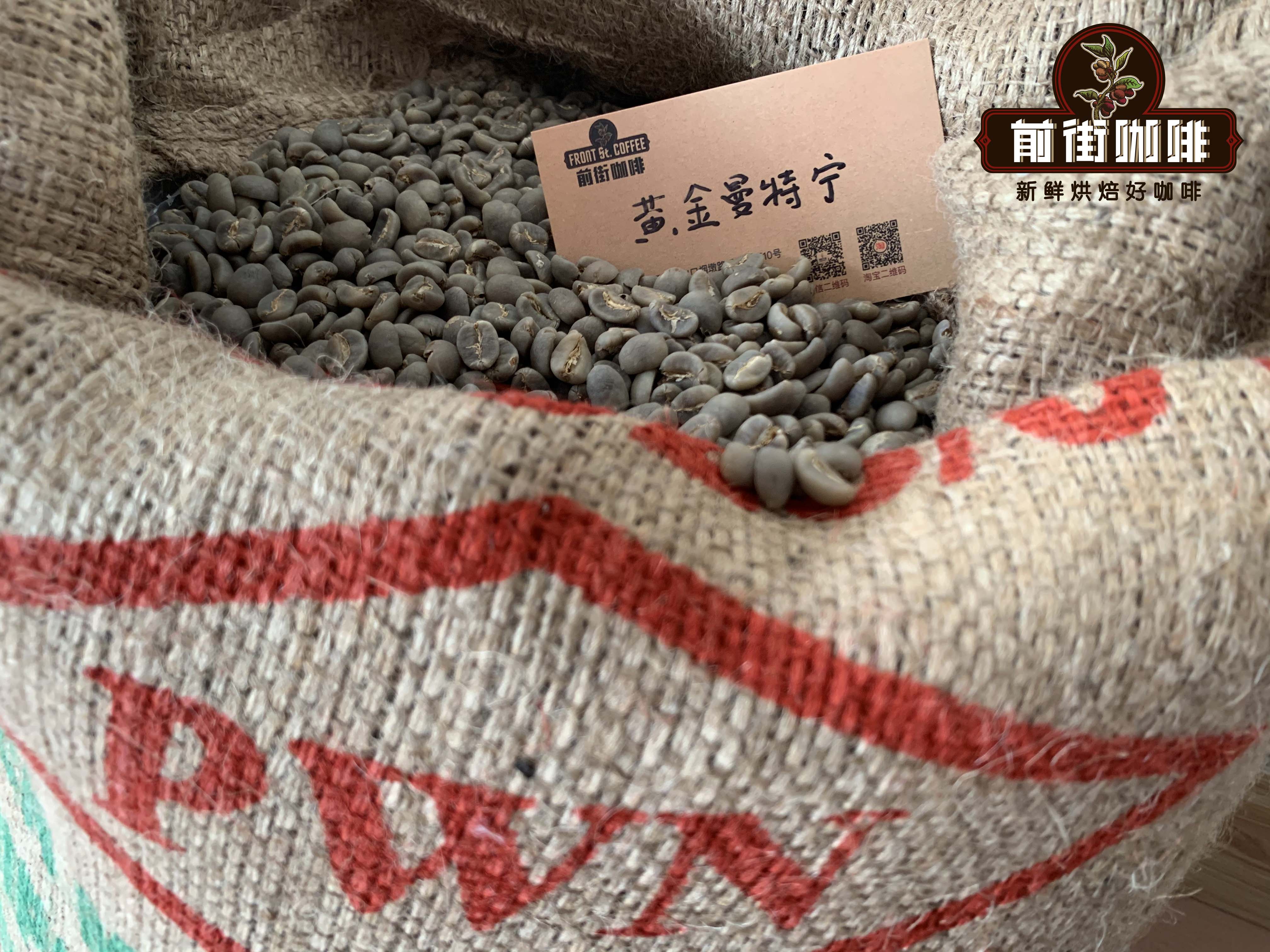
Dating back to the 17th century, Dutch colonists introduced coffee to Indonesia, initially focusing on Typica. However, the subsequent outbreak of coffee leaf rust severely impacted the survival of the original varieties. To maintain production, farmers began introducing more disease-resistant foreign varieties such as Timor, Catimor, Caturra, and Robusta. Through local cultivation and hybridization, many varieties gradually became localized, giving rise to unique Indonesian terms like “Tim Tim” and “Bor Bor.” Due to this complex variety diversity, Indonesian coffee is rarely defined solely by “variety name,” but more often by region—for example, coffee from Java Island is called Java coffee, while Arabica from northern Sumatra is commonly referred to as Mandheling.
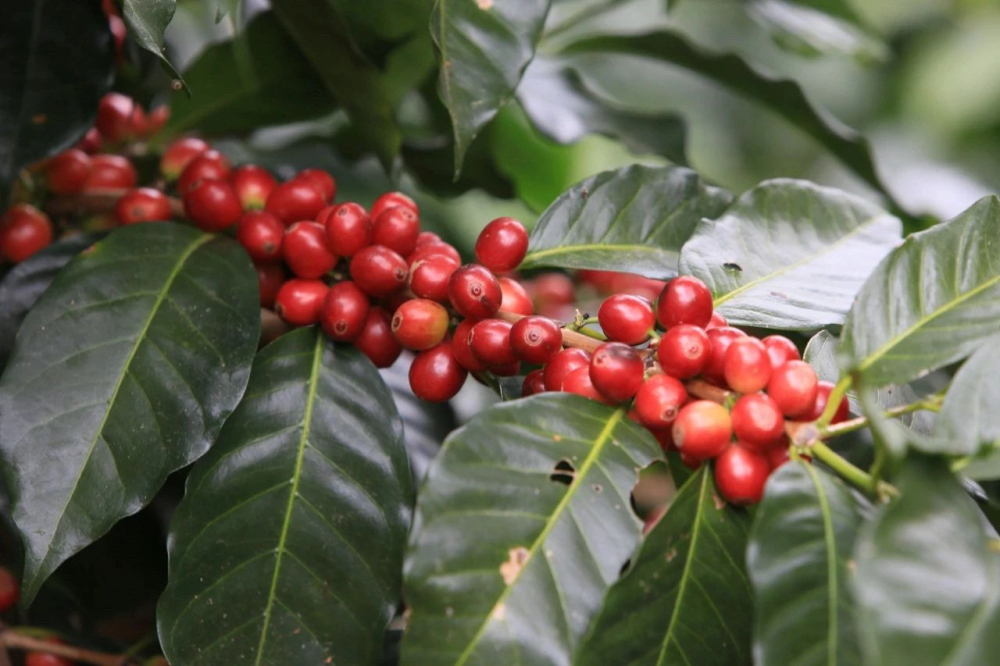
Among them, Golden Mandheling comes from the Gayo Highlands in Aceh Province, the northernmost part of Sumatra. The variety is Ateng, which is the local name for Catimor grown in the region, with the full name Aceh Tengah meaning Central Aceh. The high altitude and unique microclimate of this area impart a rich and bold base to the coffee.
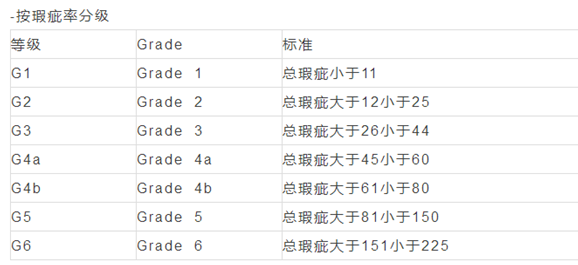
When it comes to Indonesia’s coffee grading system, its complexity stems from the diversity of varieties and processing methods. Indonesia does not grade solely by variety, but primarily based on “defect rate” and “bean size.” It is generally divided into six grades from G1 to G6, with G1 having the fewest defects and representing the highest grade. According to official standards, G1 beans must have no more than 11 defect beans. In addition, some higher-grade beans also indicate screen size, such as 17 or 18, signifying larger bean size and better uniformity. In specialty-grade coffee, terms like “Double Picked” or “Triple Picked” are more common, indicating multiple rounds of manual sorting to effectively eliminate defects and enhance overall quality.
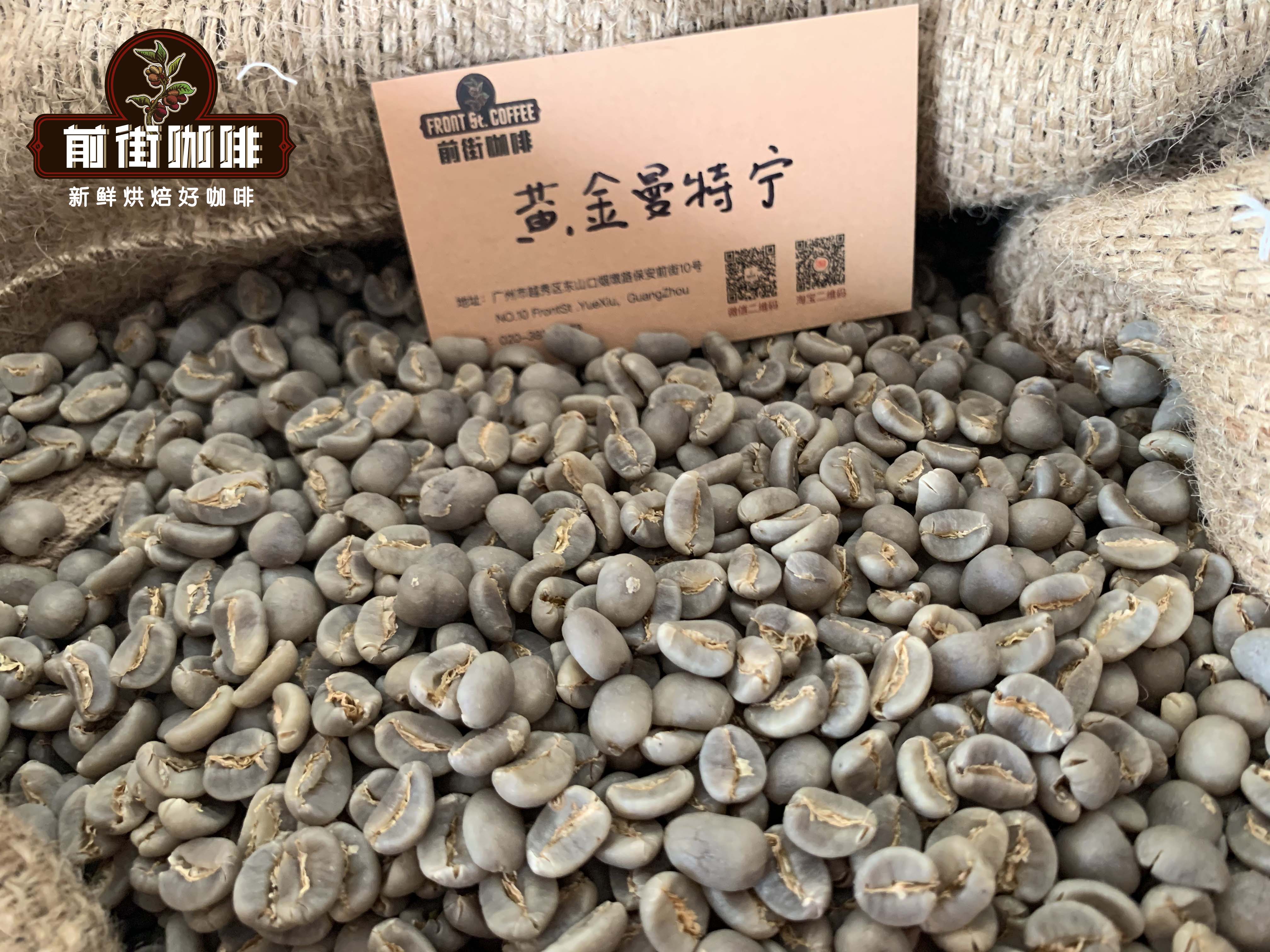
Below is a detailed breakdown of the packaging information for a batch of PWN Golden Mandheling from the October 2020 harvest season: The packaging clearly states that PWN is the product of Pawani, a well-known Indonesian exporter; the product name is GOLDEN MANDHELING (Golden Mandheling); TRIPLE PICKED indicates it has undergone three rounds of manual selection; COFFEE ARABICA denotes that it is of the Arabica species; GRADE 1 refers to Indonesia’s highest grade, G1, with fewer than 11 defect beans; the origin is Indonesia (PROD.OF INDONESIA); the net weight is 30 kilograms (including jute sack), with approximately 20 kilograms of actual coffee beans; EXP 10.2024 indicates that the optimal consumption period for this batch is until October 2024, estimated to be the new harvest from October 2020.
In terms of roasting performance, Golden Mandheling exhibits characteristics distinct from typical Lintong Mandheling. Lintong Mandheling is usually recommended to be roasted to post-second crack to suppress off-flavors, but Golden Mandheling can still deliver good sweetness and clarity even when dropped before the second crack, giving it a more layered and clearer flavor profile. The recommended roasting curve is as follows: when the roaster reaches 200°C, charge the green beans; set the initial air damper to 3; about one minute later, reduce the heat to 160°C, keeping the air damper unchanged; at 5 minutes and 40 seconds, when the temperature drops to 148°C and the beans turn yellow with the grassy aroma dissipating, reduce the heat to 140°C and adjust the air damper to 4; at 9 minutes and 40 seconds, when the beans show wrinkles and black spots, and the aroma transitions from baked bread to coffee, this signals the approach of first crack; at 9 minutes and 54 seconds, first crack begins—adjust the heat to 60 and fully open the air damper, finally dropping the beans at 204.5°C to preserve the best flavor balance.
For brewing, to highlight the rich, clean, and aromatic qualities of Golden Mandheling, it is recommended to use a KONO filter cone to simulate the rich mouthfeel effect of a cloth filter. Choose a medium-dark roasted bean, set the grind size to medium-coarse (approximately 57% passing through a #20 sieve), with a 1:13 coffee-to-water ratio (using 20 grams of coffee), and control the water temperature at 87°C to help bring out the sweetness and spice notes while avoiding over-extraction that could bring out woody or earthy flavors.
Recommended brewing steps are as follows: First, spread the coffee grounds evenly in the filter cone without shaking to avoid uneven distribution; the first stage involves pouring 40 grams of water in a small circle from the center for a 30-second bloom, during which the beans will expand into a “hamburger shape”; the second stage involves pouring 120 grams of water in a circular motion from the center outward, with gentle movements to avoid excessive agitation; the final stage involves pouring 100 grams of water, and once the coffee liquid in the filter cone has completely dripped through, the extraction is complete, with a total brew time of about 2 minutes. This parameter setup helps balance body and clarity of flavor.
In terms of final flavor profile, Golden Mandheling presents a multi-layered combination of notes including nuts, chocolate, spices, herbs, and caramel. Compared to regular Lintong Mandheling, Golden Mandheling has noticeably fewer off-flavors such as herbal, earthy, or woody notes, resulting in an overall cleaner taste with brighter sweetness, especially with more pronounced caramel and spice notes. It is highly suitable for coffee enthusiasts who enjoy bold flavors yet seek a clean and clear cup.
The above content is compiled by CoffeeHunters, a coffee news website.


